Lawmakers Intensify Pressure on Pentagon to Release Probe Findings Into Alleged Iran School Strike
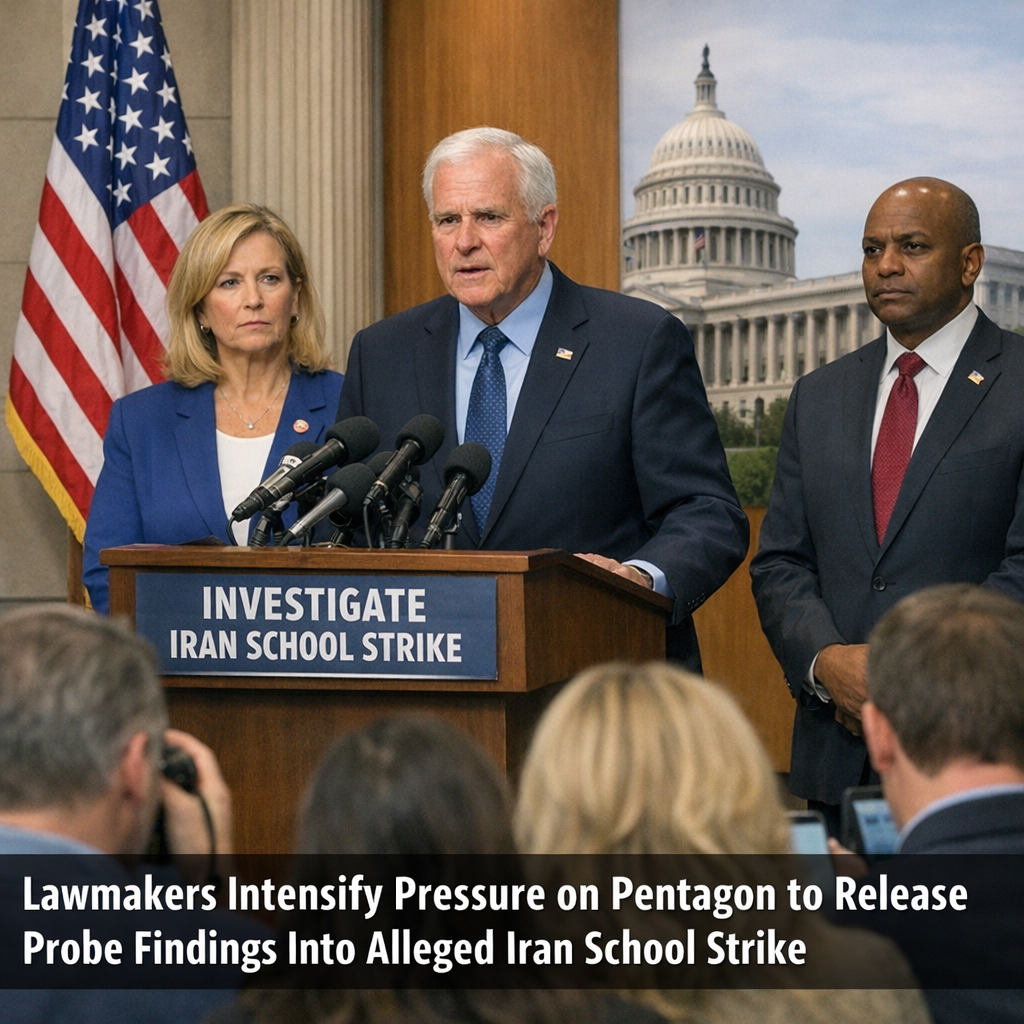
Lawmakers in Washington are pressing the Pentagon to release the results of an internal investigation into a reported U.S. strike on a school in Iran, intensifying scrutiny over civilian harm and transparency in U.S. military operations. The push follows reporting in “Lawmakers demand Pentagon release findings from probe of Iran school strike”, which detailed mounting bipartisan concern over the lack of public information about the incident.
According to the Military Times report, several members of Congress have formally requested that the Defense Department disclose its findings from a probe into the strike, which allegedly hit a school facility and may have resulted in civilian casualties. While Pentagon officials have acknowledged that a review is underway, they have not released substantive details about the circumstances of the strike, its intended target, or its consequences.
Lawmakers argue that the lack of transparency risks undermining public trust and raises questions about compliance with both U.S. military protocols and international humanitarian law. Some have emphasized that timely disclosure is essential not only for accountability, but also for assessing whether existing safeguards to prevent civilian harm are being properly implemented.
The incident comes amid heightened tensions between the United States and Iran, where military operations—whether direct or indirect—carry significant geopolitical implications. In such an environment, even a single strike with disputed casualty figures can escalate diplomatic strains and fuel competing narratives about legitimacy and proportionality.
Defense Department officials, while remaining largely tight-lipped about the specifics of the investigation, have indicated that reviews of potential civilian harm are standard procedure following contested or high-profile strikes. These assessments typically involve intelligence analysis, operational reviews, and, at times, external consultation. However, critics in Congress contend that these processes often remain opaque, with findings either delayed or released in heavily redacted form.
Advocates for greater transparency note that past incidents in conflict zones such as Iraq, Syria, and Afghanistan have led to similar calls for disclosure, often with mixed results. In some cases, delayed or incomplete reporting has fueled skepticism about official accounts and complicated efforts to provide restitution or acknowledgment to affected communities.
The current demand from lawmakers reflects a broader debate over the balance between operational security and public accountability. While military officials frequently cite the need to protect sensitive intelligence and tactical information, legislators argue that this concern should not preclude meaningful disclosure, particularly in cases involving potential civilian casualties. Oversight bodies such as the House Armed Services Committee and Senate Armed Services Committee play a central role in pressing for such accountability.
As pressure mounts, the Pentagon faces a familiar but increasingly urgent challenge: demonstrating that its internal accountability mechanisms are both credible and transparent enough to satisfy congressional oversight and public scrutiny. Whether the investigation’s findings will be released in full, or in a more limited form, remains unclear.