Rafael Bets on Iron Dome and Iron Beam to Capture Europe’s Expanding Air-Defense Market
Rafael Advanced Defense Systems is pushing Iron Dome and Iron Beam to European buyers as the continent’s defense budgets surge.
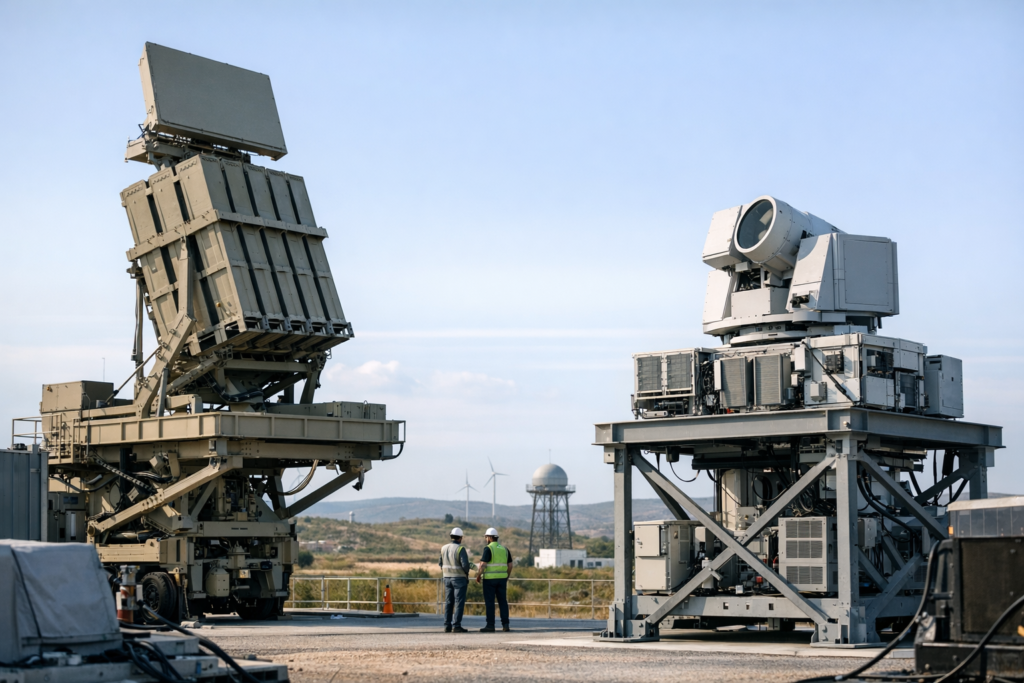
Rafael Advanced Defense Systems is positioning its two flagship air-defense platforms — the combat-proven Iron Dome rocket interceptor and the Iron Beam high-energy laser — as primary candidates for European militaries accelerating procurement in the wake of Russia’s war in Ukraine, according to a report by Calcalist Tech.
The Israeli defense company is presenting both systems at major European defense exhibitions and in bilateral government discussions, targeting a continent-wide spending surge that has seen NATO member states commit to higher defense budgets across the board. European demand for layered, cost-effective air defense has intensified following years of drone and missile strikes on Ukrainian infrastructure, making short-range and counter-drone solutions a procurement priority from the Baltic to the Adriatic.
Iron Beam’s Cost Proposition Driving International Interest
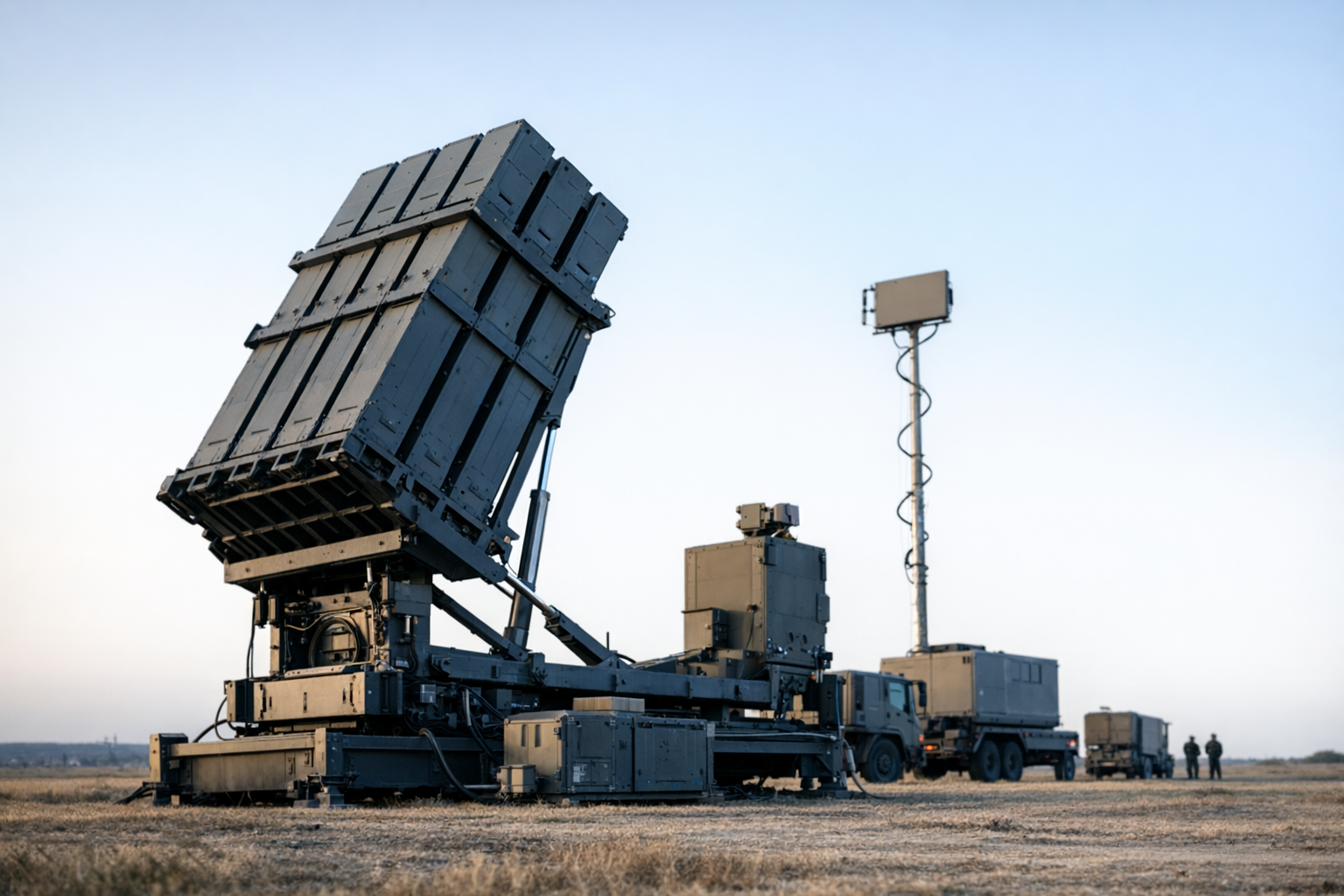
While Iron Dome carries a well-documented operational record — the system has conducted thousands of intercepts since its operational debut — it is Iron Beam, Rafael’s directed-energy interceptor, that is generating particularly broad attention among prospective buyers. A top missile defense official told Business Insider that the laser system is seeing surging global interest as militaries search for low-cost answers to the mass-drone threat. The official cited the per-shot cost advantage of a laser-based intercept over a conventional missile as a central selling point, a calculus that has become increasingly relevant as adversaries field cheap, expendable unmanned systems in large numbers.
Iron Beam uses a high-energy laser to defeat short-range rockets, artillery, mortar rounds, and drones at a fraction of the marginal cost of a kinetic interceptor. Rafael has not publicly confirmed a production timeline or a first export contract, but company officials have indicated the system is advancing toward operational readiness. The convergence of drone proliferation and European budget growth has given the platform a favorable window, with several NATO members actively evaluating directed-energy options to supplement traditional interceptor inventories.
European Spending Surge Creates Industrial Opening
Europe’s defense investment cycle is providing the structural backdrop for Rafael’s push. The broader pattern of rising NATO expenditure — driven in part by sustained allied pressure and the operational lessons of the Ukraine conflict — has unlocked procurement lines that were stagnant for years, as documented in prior NATO spending analysis. For Rafael, that environment translates into a receptive customer base that has both the budget authority and the operational urgency to move on air-defense acquisitions.
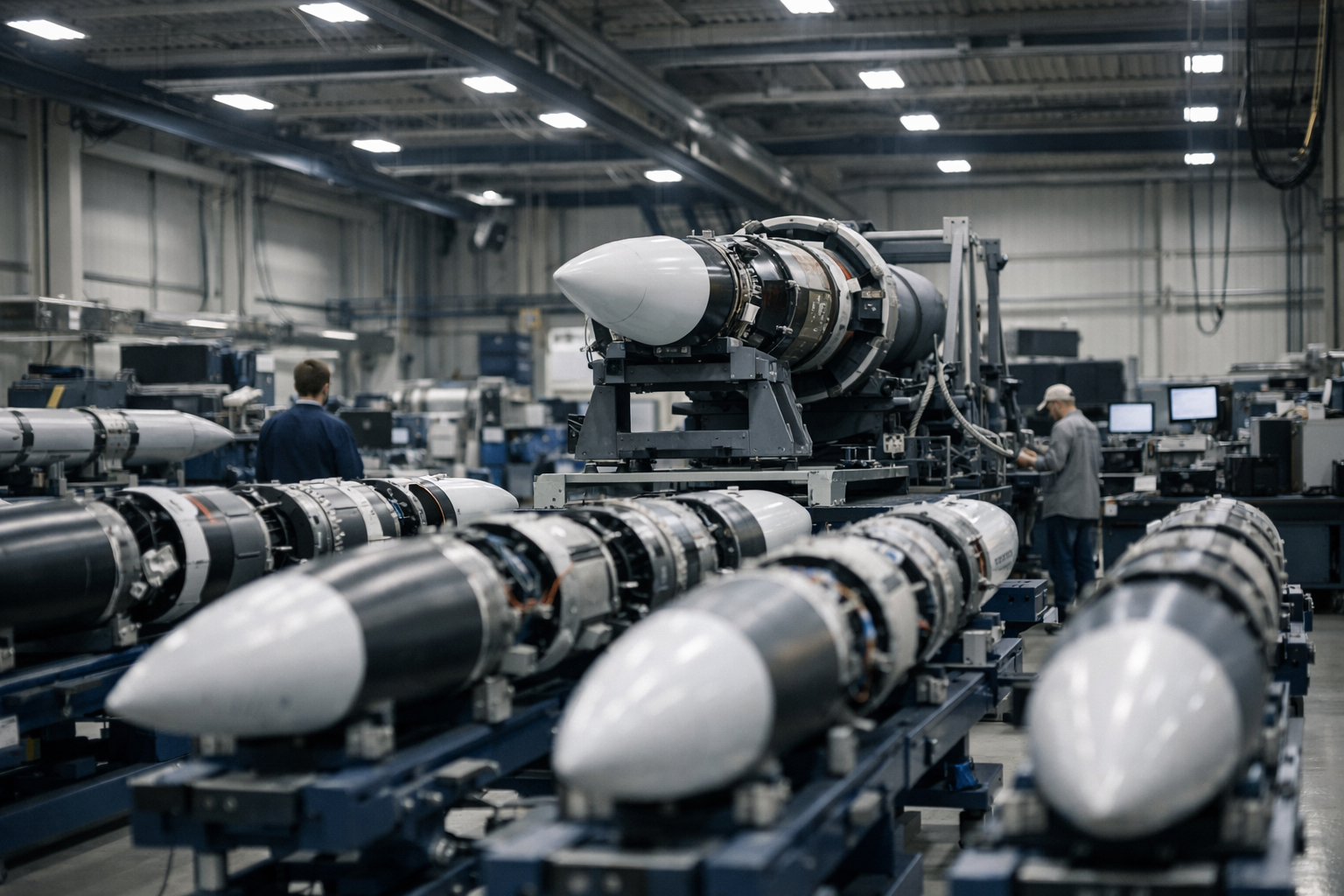
Rafael’s strategy involves not merely selling finished systems but engaging European partners on potential co-production and technology-transfer arrangements, a model that aligns with European Union rules favoring domestic industrial participation in major defense contracts. The Calcalist Tech report notes that Rafael is actively courting multiple European governments, though it does not identify specific countries by name or confirm signed agreements. Officials have not disclosed financial terms or contract values for any pending European deal. The broader question of whether European governments will standardize on non-NATO-origin air defense architectures remains open, but Rafael’s dual-platform offer — pairing an operationally mature interceptor with an emerging directed-energy layer — gives the company a differentiated position in a competitive field that includes U.S., German, and Franco-Italian alternatives. The company’s exhibition presence and government engagement suggest it intends to press that advantage through the current procurement cycle. The growing relevance of low-cost drone countermeasures also intersects with naval modernization discussions, a dimension explored in GDD’s earlier coverage of naval drone warfare.