October 7 Survivors Describe a Mental Health System Overwhelmed and Unresponsive
Victims of the October 7 attacks say Israel’s mental health system has left them without adequate care, nearly two years after the assault.
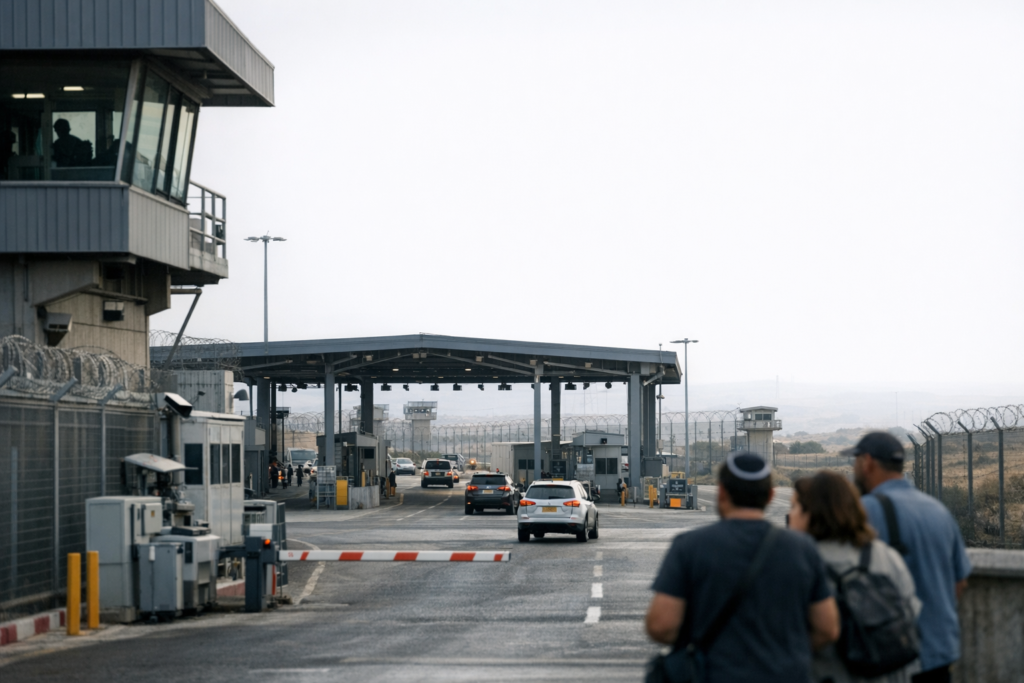
Nearly two years after Hamas militants carried out the deadliest attack on Israeli soil in the country’s history, survivors and bereaved family members are describing a mental health support system that has failed to keep pace with the scale of psychological devastation left behind. According to Jerusalem Post reporting, victims say they face bureaucratic obstacles, inadequate therapeutic resources, and a recognition framework that leaves many without the formal status required to access care.
The October 7 attacks produced a wave of trauma that clinicians and advocates say is without modern precedent in Israeli society. Survivors report symptoms consistent with severe post-traumatic stress disorder, yet many have encountered lengthy wait times, fragmented referral processes, and a system structured around definitions of victimhood that do not reflect the full breadth of those affected by the assault.

Recognition Gaps Leave Many Without Access to Care
A central grievance documented in the Jerusalem Post report is the issue of formal recognition. Israel’s National Insurance Institute classifies victims according to specific criteria, and those who do not meet the threshold — including some direct witnesses, community members, and individuals who fled but were not physically injured — have found themselves ineligible for state-funded psychological treatment. Advocates working with survivors describe this as a structural failure, with eligibility rules designed for prior conflict paradigms proving inadequate for a mass-casualty terrorist event of October 7’s character.
Therapists quoted in the report note that the emotional injury sustained by those who lost family members, escaped captivity, or were displaced from kibbutzim and towns near the Gaza border is clinically indistinguishable from that of individuals who qualify under current definitions. The distinction, they argue, is administrative rather than medical, and it is producing inequitable outcomes in who receives treatment and who does not.
Therapists and Advocacy Groups Warn of Long-Term Consequences
Mental health professionals interviewed by the Jerusalem Post warn that untreated PTSD at this scale carries compounding social costs. Without sustained, accessible intervention, survivors face elevated risks of unemployment, family breakdown, substance dependency, and suicide — burdens that ultimately fall on a broader network of social services and communities still rebuilding after displacement. Several therapists reported being personally overwhelmed by caseloads far exceeding what evidence-based trauma care recommends.

Advocacy organizations have pressed the Israeli government to expand eligibility criteria and increase funding for community-based mental health programs. Officials have not publicly confirmed a timeline for legislative or regulatory changes in response to those demands, according to the Jerusalem Post’s account. The report does not detail specific budget figures or pending legislation, leaving the scope of any prospective reform unclear.
The strain on Israel’s mental health infrastructure comes as the country simultaneously manages the ongoing war in Gaza and the psychological needs of active-duty soldiers and reservists — a parallel caseload that further stretches an already limited pool of trauma-trained clinicians. The challenge is not unique to Israel; governments confronting mass-casualty events have consistently underestimated the duration and intensity of psychological aftereffects. For context on how recognition and compensation frameworks for trauma victims function in other national security contexts, GDD’s prior coverage of Havana Syndrome compensation illustrates the recurring difficulty governments face in defining eligibility when injuries are not visible. Domestically, ongoing debates over care access echo tensions examined in GDD’s reporting on veterans benefits and the politics of support for those bearing the human costs of conflict.