Pentagon Puts Uncrewed Surface Vessels Into Active Service Against Iranian Forces
The U.S. military has deployed uncrewed surface vessels in operations against Iran, marking a significant shift in how naval forces are employed in the region.
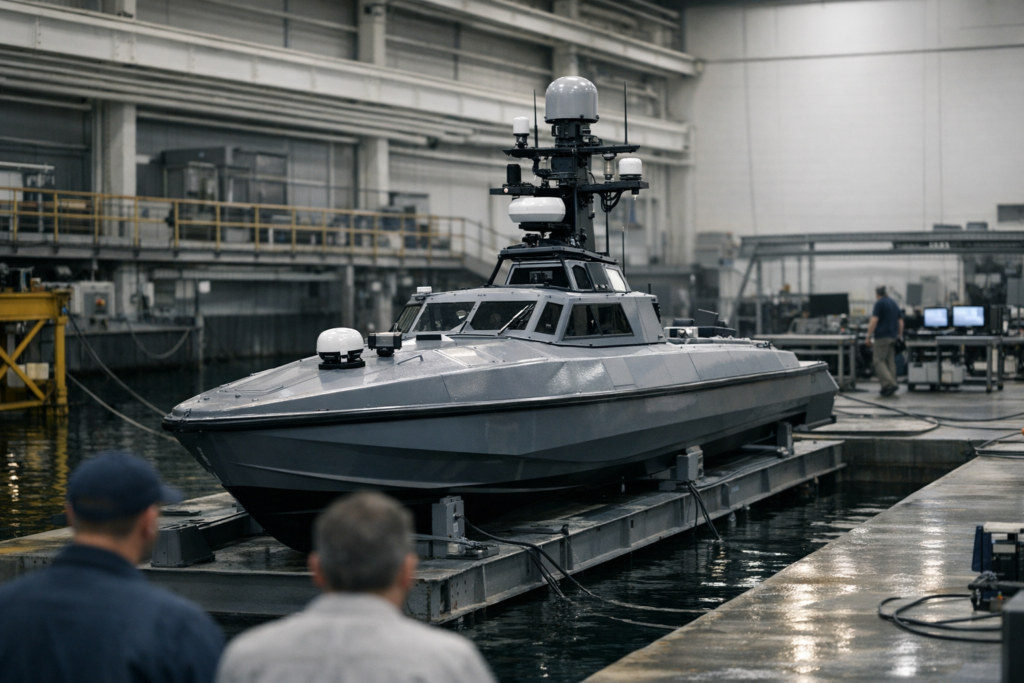
The United States military has deployed uncrewed surface vessels in active operations against Iranian forces, Defense News drone boat deployment reporting confirmed, marking one of the most operationally significant uses of autonomous naval platforms in a live conflict to date. The move signals that the Pentagon is prepared to field emerging uncrewed maritime technology in high-stakes engagements rather than limiting such systems to exercises and demonstration programs.
The deployment represents a concrete step beyond the concept-of-operations phase that has defined much of the uncrewed surface vessel program’s recent history. Officials have not publicly confirmed specific platform designations, sortie numbers, or the precise nature of the missions conducted, but the operational use itself — in a contested maritime environment involving Iranian forces — marks a threshold that defense planners have been working toward for several years.
Operational Context in a Contested Waterway
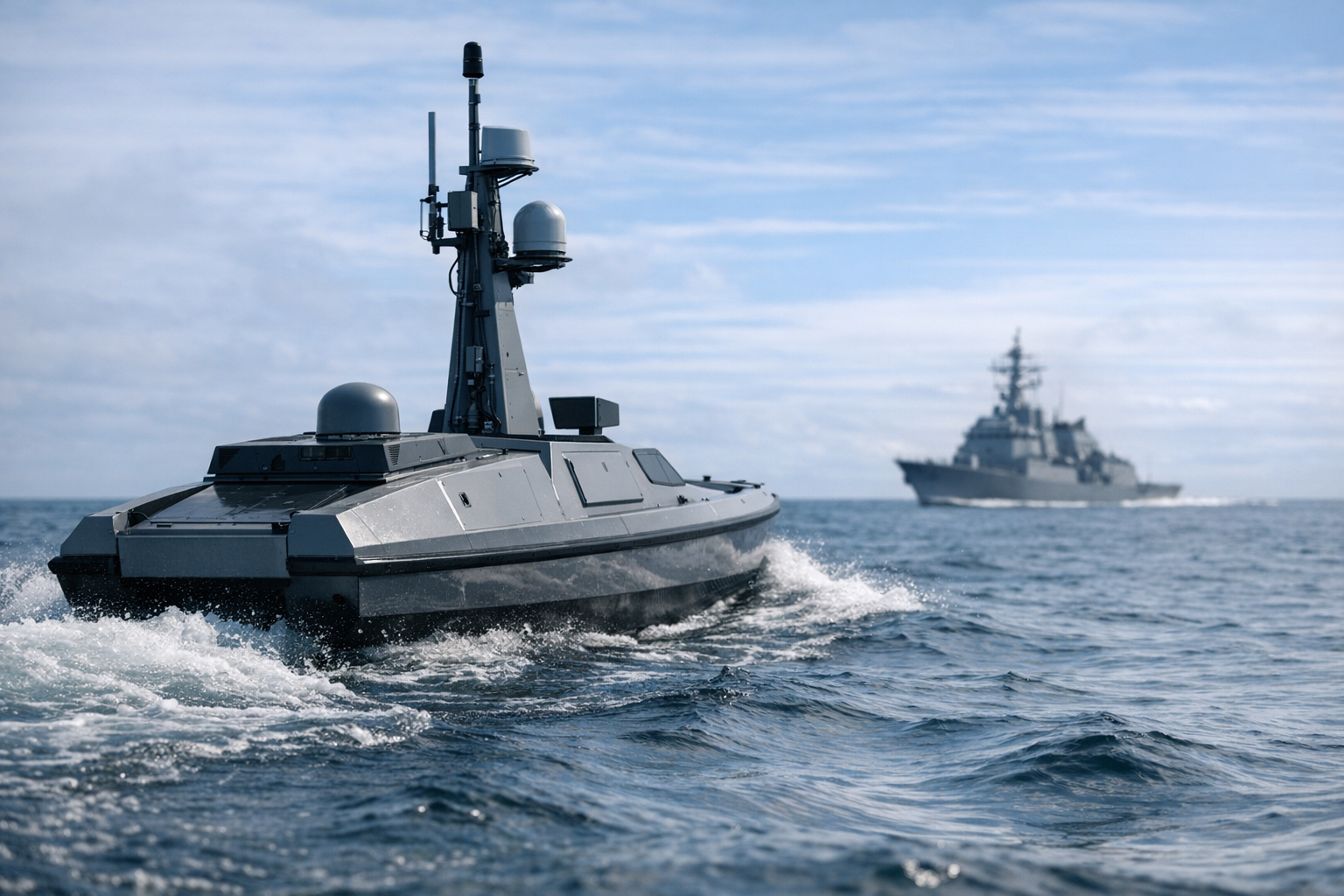
The Persian Gulf and surrounding waters have long posed a persistent challenge for U.S. naval commanders. Iranian fast-boat tactics, mines, and anti-ship missile batteries have shaped American force-posture decisions in the region for decades. Deploying uncrewed vessels into this environment tests not only the technology itself but the command-and-control frameworks, rules of engagement, and interoperability protocols that govern how autonomous platforms operate alongside crewed ships in a dynamic threat environment.
The use of drone boats in this context carries distinct operational logic: uncrewed platforms can conduct patrol, surveillance, and potentially other missions without placing sailors directly at risk in waters where Iranian harassment of naval vessels has been a documented pattern. Whether the vessels deployed were performing ISR functions, serving as a forward presence layer, or fulfilling some other role has not been confirmed by officials as of publication.
Industrial and Strategic Implications
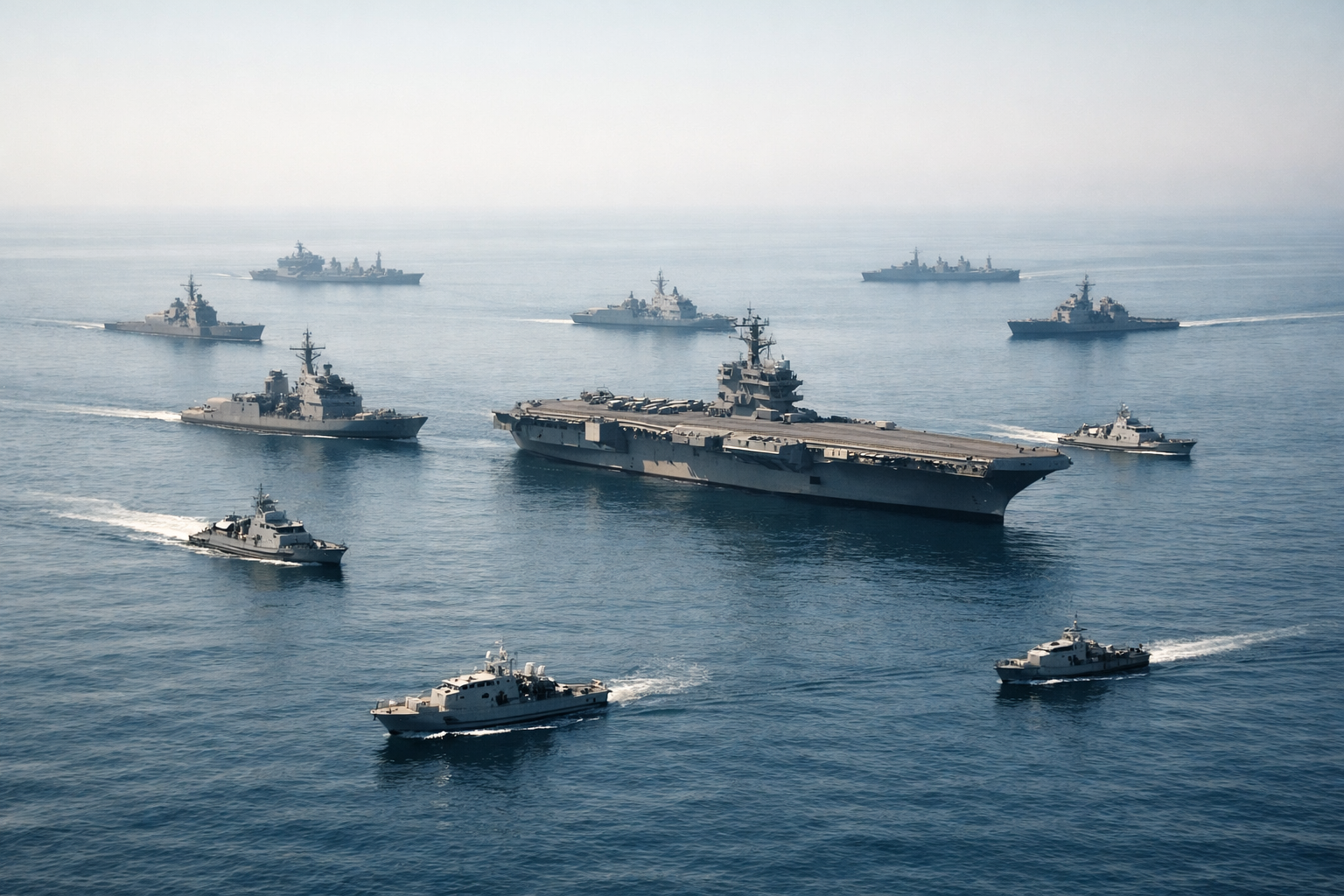
The deployment arrives as the autonomous naval sector is drawing serious industrial investment. Saronic’s shipyard plans, which include a proposed $3 billion facility in Texas oriented around autonomous vessel production, illustrate the degree to which private industry is positioning for what many analysts expect to be a sustained procurement wave in uncrewed maritime platforms. A live combat deployment — even one with limited publicly confirmed details — strengthens the programmatic case for continued investment and accelerated fielding timelines.
At the strategic level, the decision to deploy these systems against Iran is not occurring in isolation. Tehran has signaled a willingness to escalate beyond its nuclear sites in recent months, with senior Iranian leadership raising the prospect of disrupting critical waterways. GDD’s earlier coverage of Hormuz escalation threats from Iranian leadership provides context for the broader pressure environment in which U.S. commanders are now making operational decisions. Fielding uncrewed vessels in that context suggests the Pentagon is actively seeking asymmetric tools to manage risk and maintain presence without proportionally increasing the exposure of crewed platforms and their personnel.
How the deployment is assessed — both by U.S. commanders evaluating system performance and by Iranian planners evaluating American intent — will shape how quickly and broadly uncrewed surface vessels move from emerging capability to standard element of naval force posture in the region.