Space Force Moves Toward Merit-Based Enlisted Promotions, Announces Latest Advancement Results
The Space Force released its latest enlisted promotion results while preparing to transition to a fully qualified promotion model for Guardians.
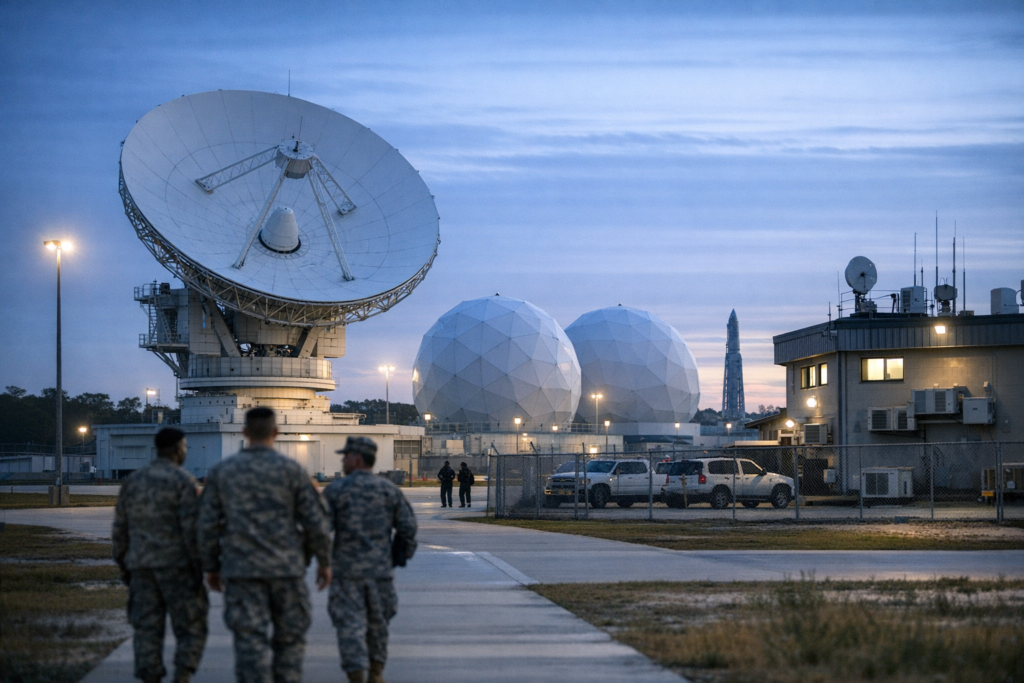
The U.S. Space Force has announced its most recent round of enlisted promotion selections while simultaneously preparing to overhaul how those promotions are decided, according to Space Forces Magazine. The service is moving toward a “fully qualified” promotion system — a model that would advance every Guardian who meets a defined set of standards rather than relying on a competitive, quota-driven selection process that ranks candidates against one another.
The shift represents one of the more substantive personnel policy changes the Space Force has pursued since its establishment in 2019, and it signals the service’s continued effort to distinguish its talent-management practices from those of its parent branch, the Air Force.

How the Fully Qualified Model Would Work
Under the current system, enlisted Space Force members — called Guardians — compete for a limited number of promotion slots determined by service-wide quotas. The incoming fully qualified model would instead promote any Guardian who meets a standardized threshold of requirements, removing the zero-sum competition between peers. The approach is modeled in part on systems used in other branches and is intended to reduce the role of timing and unit population in determining who advances.
Space Force officials have framed the change as consistent with the service’s broader personnel philosophy, which has emphasized professional development, specialization, and retention of technically skilled Guardians. The service has previously moved away from traditional military conventions in other areas, including the adoption of distinct rank titles and a relatively flat organizational structure. A fully qualified promotion model would extend that divergence into career progression in a meaningful way.
Current Promotion Cycle Results and Transition Timeline
Alongside the policy announcement, the Space Force released its current enlisted promotion results, though Air and Space Forces Magazine’s reporting did not specify the total number of Guardians selected or the exact promotion rates by grade in publicly available detail. Officials have not confirmed a precise implementation date for the fully qualified system, and the transition is described as ongoing rather than immediate.
The timing of the dual announcement — current results paired with the forthcoming structural change — appears deliberate, giving Guardians visibility into how they are being evaluated now while setting expectations for how the system will function going forward. Personnel policy stability has been an ongoing challenge for the Space Force as it works to build an independent culture and career framework from the ground up.
The move also comes as other military services face mounting pressure to modernize their own promotion and talent-management pipelines. The Air Force, from which the Space Force drew much of its initial workforce, has in recent years made incremental changes to its own enlisted and officer evaluation systems, but has not adopted a fully qualified model at scale. The Space Force’s willingness to pursue that step more aggressively reflects both its smaller size — which makes systemic changes more tractable — and its institutional incentive to attract and keep highly specialized personnel in fields like satellite operations, orbital warfare, and cyber.
The Space Force’s personnel trajectory is also playing out against broader institutional pressures, including readiness and manning, as covered in GDD’s earlier reporting on a Vandenberg fatality that drew attention to force protection and personnel welfare within the service. Separately, the Air Force’s own personnel directives have been in motion, as seen in GDD’s coverage of an fitness reporting mandate issued earlier this year.