Saronic Plans $3 Billion Texas Shipyard That Could Reshape Autonomous Naval Production
Autonomous vessel startup Saronic announces a $3B Texas shipyard capable of building 850-foot ships, signaling a major shift in US naval industry.
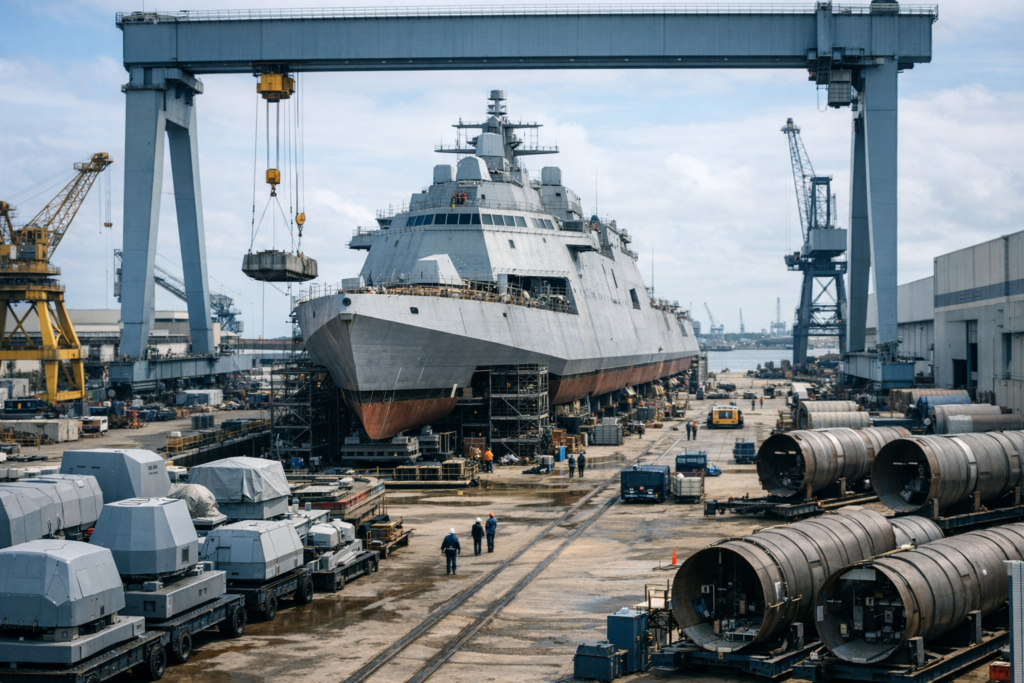
Autonomous surface vessel startup Saronic has announced plans to construct a $3 billion shipyard in Texas capable of building vessels up to 850 feet in length, a move that would mark one of the most significant expansions of American commercial and defense shipbuilding capacity in recent memory. The facility’s scale goes well beyond anything the company currently operates, signaling an ambition to compete not just in the unmanned vessel market but across a broader segment of naval and maritime production.
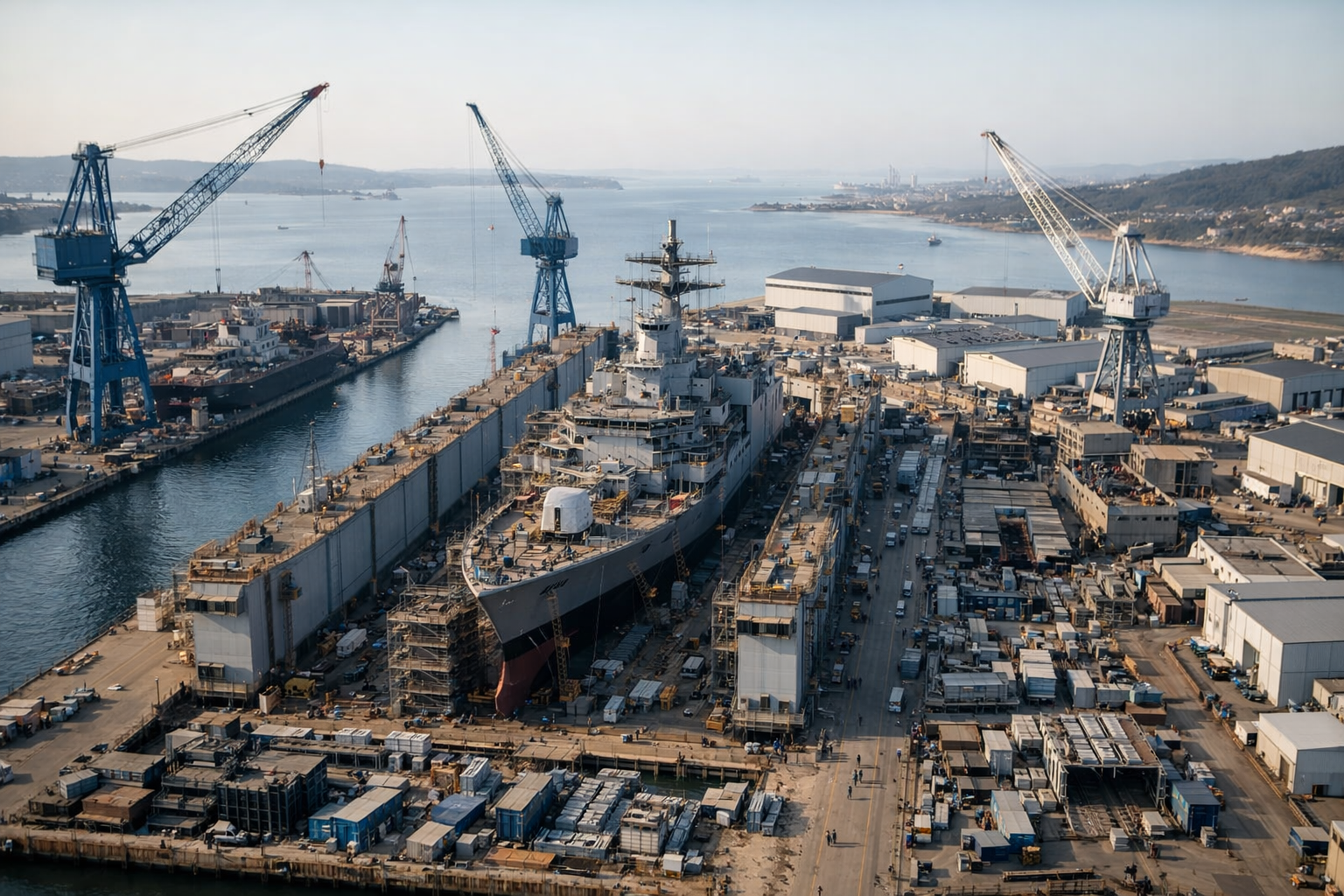
The announcement, made via an official statement on the company’s social media channels, outlined the scope of the planned facility and its intended production capabilities.
Scale and Strategic Intent
According to War Zone’s reporting, the planned facility would represent a dramatic expansion beyond the unmanned patrol-class vessels Saronic currently develops. An 850-foot build capacity places the yard in a class capable of producing large combatants or logistics vessels — dimensions associated with destroyer-length or even some amphibious warship hull forms. That the investment figure stands at $3 billion underscores the long-term industrial commitment involved, rather than a near-term production contract.
Saronic has positioned itself in recent years as a developer of autonomous surface vessels intended for U.S. Navy and defense customers. Building a shipyard of this size suggests the company is betting that demand for unmanned and optionally manned maritime platforms will scale substantially — and that existing American shipyard capacity, long strained by Navy backlog, will not be sufficient to meet that demand. Whether the yard is intended primarily for autonomous platforms or will pursue broader defense and commercial contracts has not been fully detailed in available public disclosures.
Industrial Context and Capacity Questions
The U.S. Navy has struggled for years with shipyard throughput, with maintenance backlogs and workforce shortages constraining both construction timelines and fleet readiness. Private investment in new shipyard infrastructure is relatively rare given the capital intensity involved, making a $3 billion greenfield commitment from a company that only recently entered the defense maritime space a notable development. Texas offers logistical advantages for Gulf Coast naval access as well as proximity to energy-sector industrial supply chains.
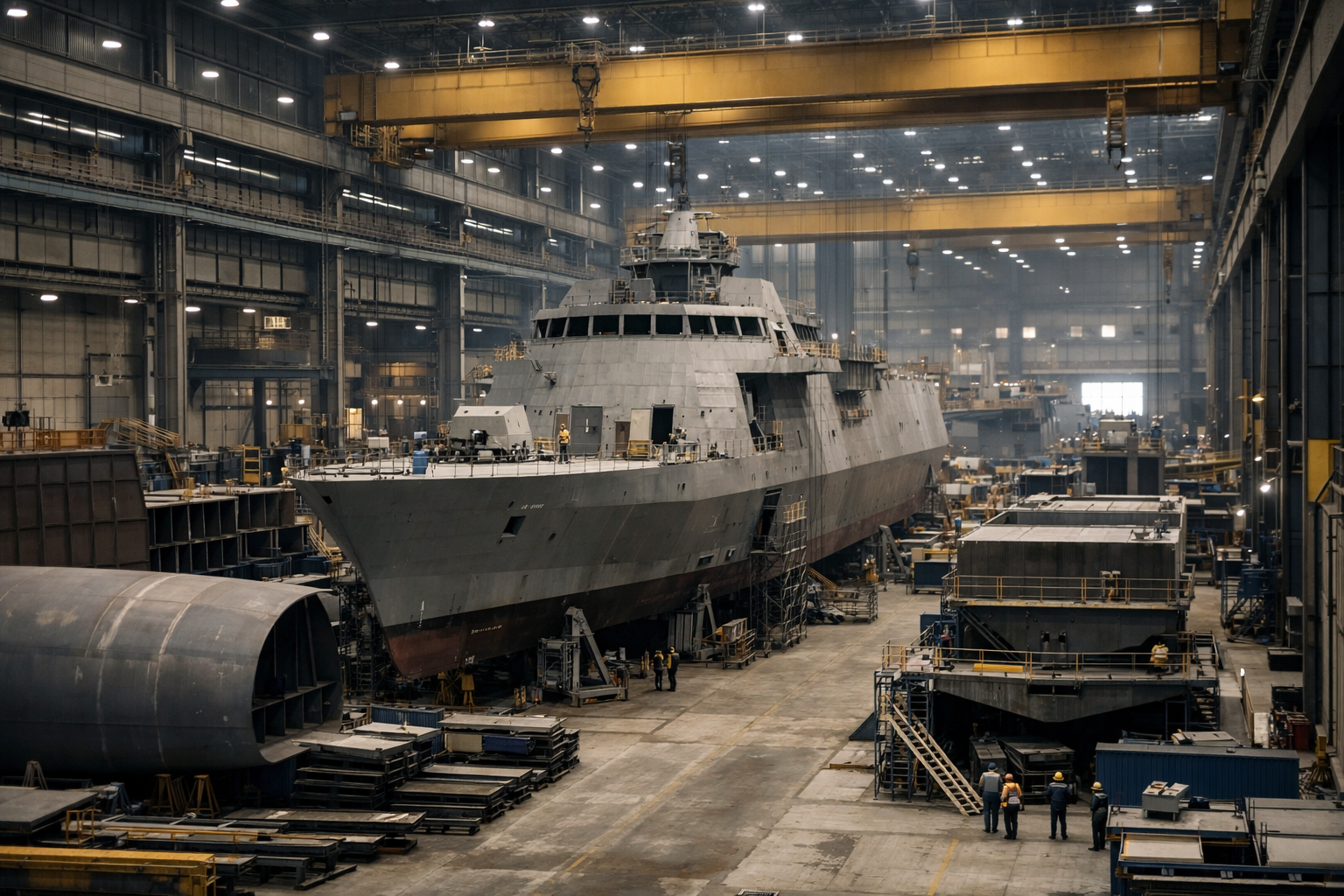
Saronic has not publicly disclosed a construction timeline, confirmed specific Navy contracts tied to the facility, or identified the precise Texas location as of the time of reporting. The War Zone noted the announcement but details on financing structure, projected workforce size, and initial vessel programs remain limited. Officials have not confirmed whether the Department of Defense has provided commitments or letters of intent connected to the yard’s development.
The broader trend of autonomous maritime platforms moving from experimental programs toward potential serial production has drawn increasing Pentagon attention. The role of unmanned surface vessels in contested maritime environments — from surveillance and logistics to offensive strike support — continues to evolve, as explored in prior GDD coverage of naval drone operations. Saronic’s shipyard announcement, if it advances to construction, would represent a concrete industrial response to that demand signal. Meanwhile, the defense industrial investment environment remains shaped by allied spending pressures documented in coverage of NATO defense spending trends that continue to drive Western maritime procurement planning.