Lisbon Locks In Deal With Fincantieri for Three New Frigates as NATO Naval Spending Accelerates
Portugal will acquire three frigates from Italy’s Fincantieri, announced by PM Meloni, marking a significant NATO naval procurement.
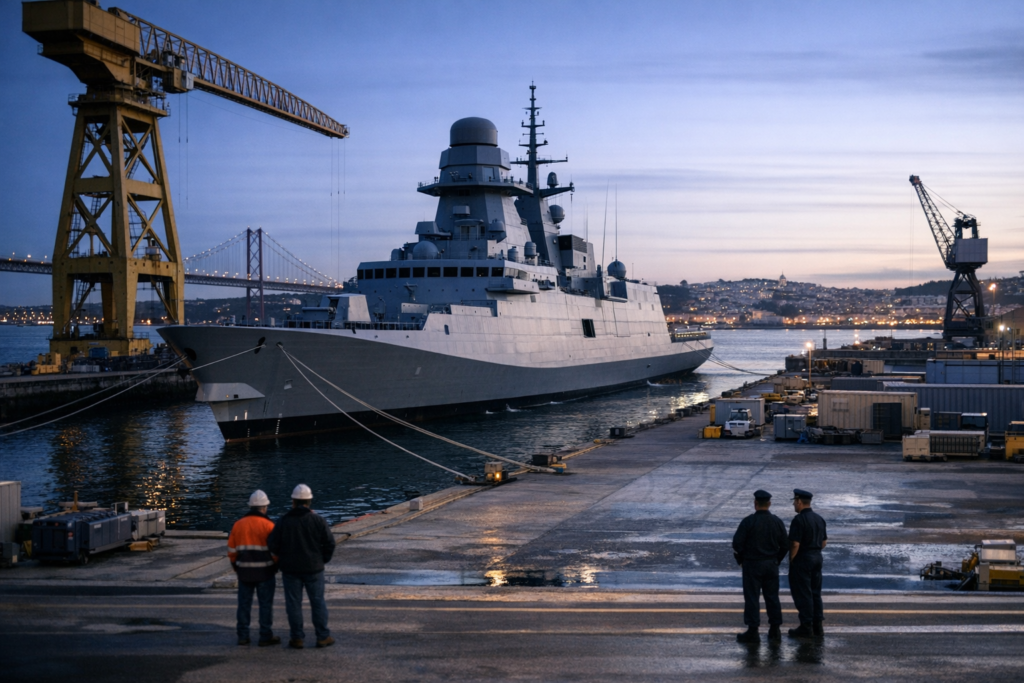
Portugal has agreed to purchase three frigates from Italian shipbuilder Fincantieri, Italian Prime Minister Giorgia Meloni announced following a bilateral meeting with Portuguese counterpart Luís Montenegro. The deal represents one of the most significant naval procurement decisions in Portugal’s recent defense history and underscores a broader European push to recapitalize aging fleets amid rising NATO spending commitments. Breaking Defense first reported the announcement, citing Meloni’s public statement.
The acquisition places Fincantieri at the center of southern European naval rearmament, adding Portugal to a growing list of NATO partners sourcing surface combatants from the Italian state-controlled yard. That trend mirrors wider European defense consolidation, where alliance members are increasingly turning to domestic or partner-nation shipbuilders to meet fleet renewal targets without relying on American suppliers alone. Europe’s expanding autonomous naval production ambitions provide useful context for understanding the competitive pressures reshaping how allies source their next-generation warships.
Deal Details and What Has Been Confirmed
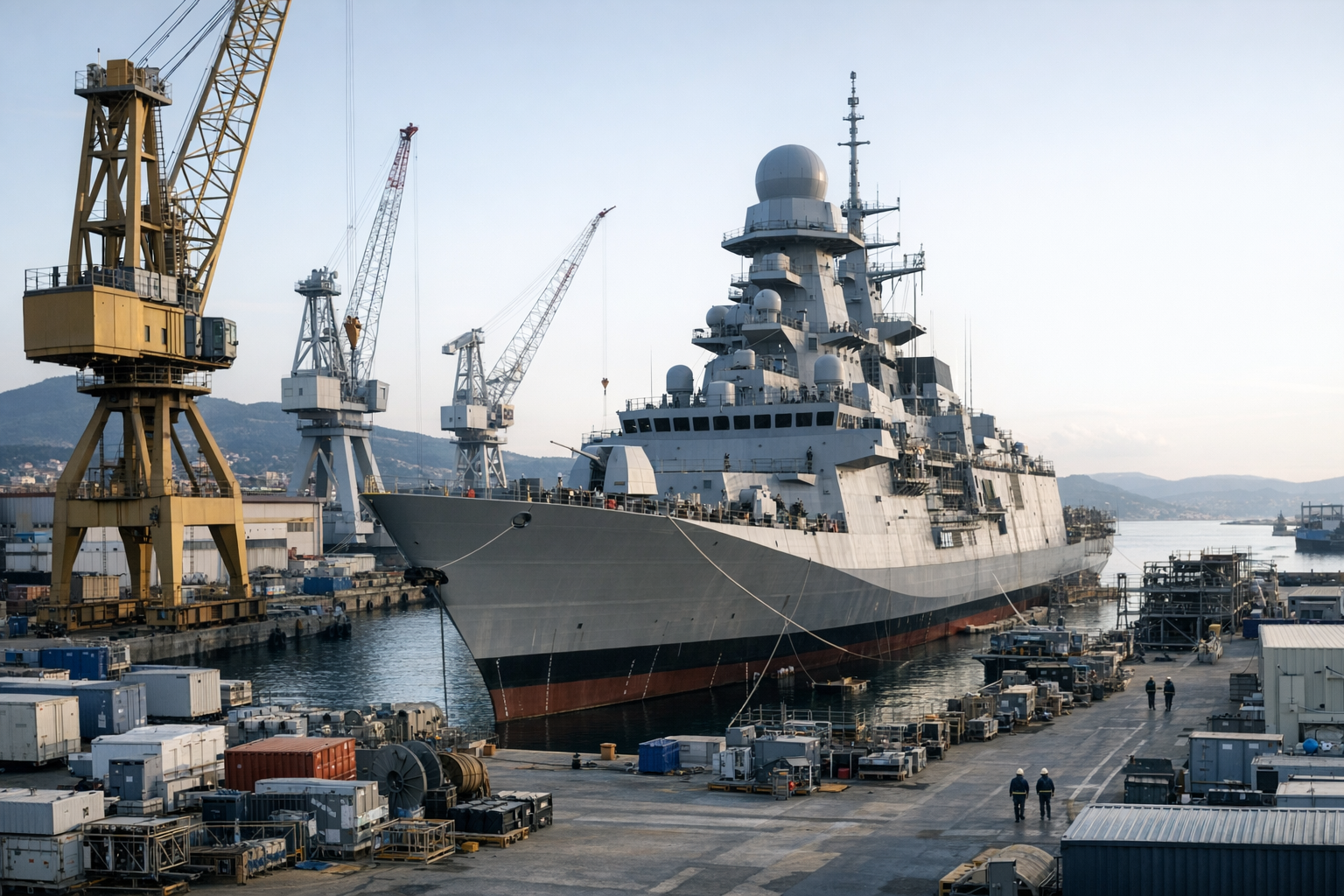
Meloni confirmed the frigate purchase during what appeared to be a joint press engagement, though detailed contract figures — including the total acquisition value, delivery timeline, and specific vessel class — had not been publicly disclosed at the time of the announcement. Breaking Defense noted the announcement was made by Meloni directly, but further specifications were not confirmed by either government in the initial readout. Officials have not yet clarified whether the contract includes an offset or industrial participation component for Portuguese shipyards or defense firms.
Fincantieri is one of Europe’s largest shipbuilders and has exported naval vessels across multiple continents, with its FREMM-derived and other frigate platforms serving as competitive offerings in international markets. Portugal’s existing surface fleet is aging, and the country has faced pressure within NATO to modernize its naval contribution as the alliance’s European members accelerate defense investment. The three-frigate purchase, if structured around a proven platform, would meaningfully expand Portugal’s blue-water capability.

Strategic Context: NATO Spending and the European Defense Market
The announcement arrives as NATO allies face sustained institutional pressure to raise defense expenditure toward and beyond the alliance’s two-percent-of-GDP benchmark. Portugal, like several southern and western European members, has historically trailed that threshold, and a frigate acquisition of this scale signals a concrete step toward closing the capability gap. Naval platforms represent some of the longest-lead procurement items in any defense budget, making a three-ship order a generational commitment rather than a near-term fix.
For Fincantieri, securing Portugal’s business adds to a defense order book that has grown as European governments shift capital toward domestically sourced hardware. The deal also carries diplomatic weight for Rome, reinforcing Italy’s position as a defense-industrial partner within the EU and NATO frameworks at a moment when European governments are actively shaping the continent’s post-Ukraine security architecture. Italian defense exports have drawn increased attention as Meloni’s government pursues deeper bilateral security ties across the Mediterranean and Atlantic flanks of the alliance. Broader European rearmament dynamics — including contested procurement decisions and alliance industrial policy — continue to reshape where and how member states spend their expanding defense budgets, a shift that carries implications well beyond any single frigate contract.