US launches sweeping strikes on Iranian targets amid rising tensions over Hormuz shipping disruptions
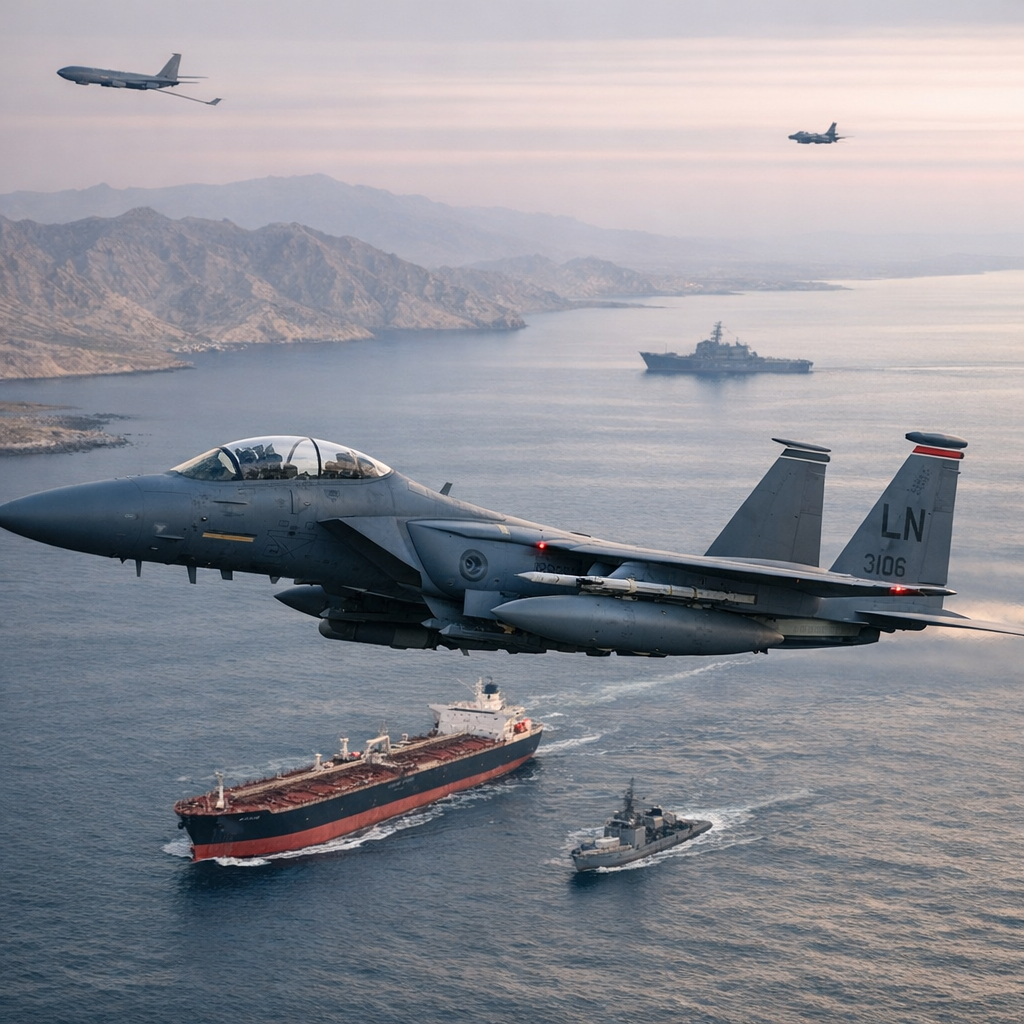
The United States carried out a broad series of airstrikes against targets in Iran overnight, sharply escalating tensions in the region after what officials described as Iranian interference with maritime traffic in the Strait of Hormuz. The developments were reported in a live blog by i24NEWS titled “US strikes 80 targets in Iran overnight in retaliation for disrupting Hormuz traffic” (full coverage here).
According to U.S. officials cited in the report, the operation targeted approximately 80 sites believed to be linked to Iran’s military infrastructure and associated networks. The strikes were presented as a direct response to actions that Washington says threatened the free flow of commercial shipping through one of the world’s most critical energy chokepoints.
The Strait of Hormuz, which connects the Persian Gulf to international waters, handles a significant share of global oil and liquefied natural gas shipments. According to the U.S. Energy Information Administration, a substantial portion of the world’s seaborne oil passes through the narrow waterway. Any disruption has immediate global economic implications, and recent incidents involving commercial vessels had already heightened concerns among international observers and market participants.
U.S. defense officials framed the strikes as both retaliatory and preventative, emphasizing an effort to deter further interference with maritime navigation. They indicated that the targets were selected to degrade operational capabilities tied to the alleged disruptions, though full details on the specific locations and the extent of damage were still emerging. Statements from the U.S. Department of Defense have emphasized protecting international shipping routes in the region.
Iranian authorities have not provided a comprehensive public accounting of the strikes’ impact, but initial reactions from Tehran signaled condemnation and warnings of potential consequences. Iranian state media described the attacks as a violation of sovereignty and suggested that further escalation could follow if hostilities continue, a reaction echoed in coverage by outlets such as Reuters Middle East.
The rapid escalation has prompted concern among allies and regional actors, many of whom have called for restraint to avoid a broader conflict. European officials urged both sides to de-escalate and return to diplomatic channels, noting the risks posed to international shipping, energy markets, and regional stability, as reported by BBC News Middle East.
Military analysts say the scale of the reported strikes marks a significant departure from recent patterns of limited, targeted responses. By hitting dozens of sites in a single operation, the United States appears to be signaling a willingness to expand the scope of its actions beyond previous engagements, potentially increasing the risk of reciprocal measures by Iran or its regional partners.
Markets responded cautiously to the news, with energy prices showing signs of volatility as traders assessed the risk of supply disruptions. Shipping companies operating in the region were also reported to be reviewing security protocols, with some rerouting vessels or delaying transits pending further clarity on the situation.
The situation remains fluid, with officials on both sides continuing to monitor developments closely. While Washington has framed its actions as necessary to protect international commerce, the possibility of further escalation remains a central concern for policymakers and observers alike.