Pentagon Expands Gun Access on Military Bases
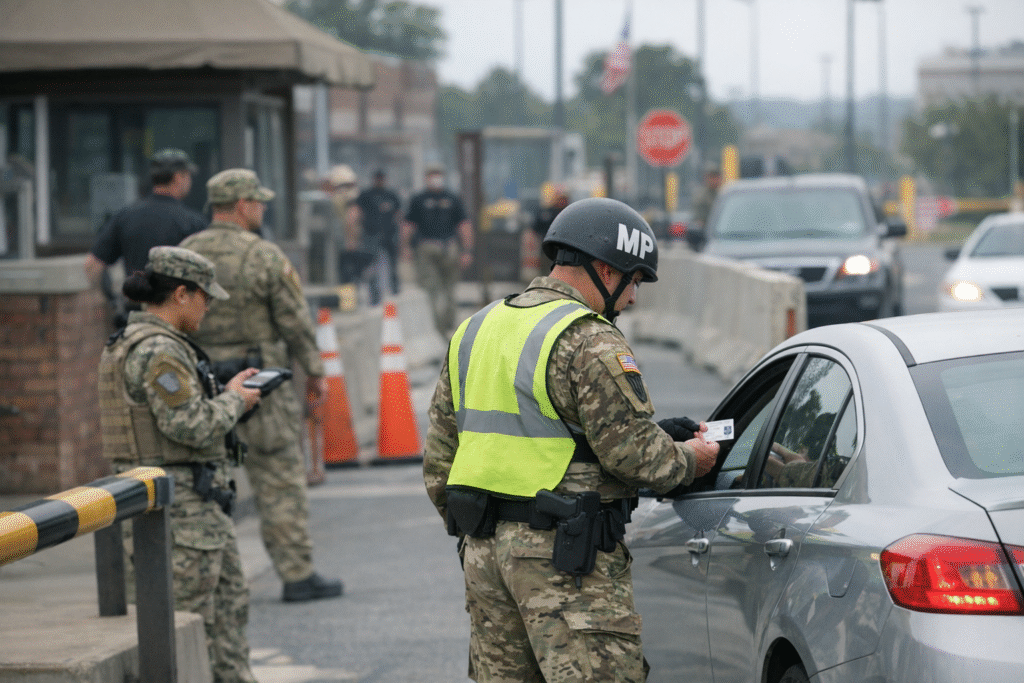
The Pentagon is broadening access to privately owned firearms for off-duty service members on military installations, a shift officials say is aimed at strengthening force protection while raising fresh questions about safety and oversight.
The change, outlined in the Military Times article “Pentagon expands firearm access for off-duty military members on base,” reflects updated guidance that allows more service members to carry personal weapons on bases under specified conditions. Defense officials describe the move as part of a broader effort to adapt security policies in response to evolving threats, particularly those posed by insider attacks or emergencies where rapid response could be critical.
Under the revised framework, commanders are granted greater discretion to authorize concealed carry by qualified personnel. Eligibility is expected to hinge on criteria such as firearms training, legal compliance, and background checks, though implementation may vary by installation. The Pentagon has emphasized that the policy does not amount to universal carry rights, but rather a controlled expansion requiring command approval and adherence to strict rules.
Supporters within the defense community argue the policy reflects lessons learned from past incidents on military bases where armed individuals were able to carry out attacks before law enforcement could intervene. They contend that trained service members could help deter or respond to such threats, potentially reducing casualties.
However, the expansion has also prompted concern among some military leaders and advocacy groups, who warn of the risks associated with increasing the number of privately owned firearms on installations. Critics point to ongoing challenges with accidental discharges, theft, and interpersonal violence, noting that the military has struggled in recent years with issues related to both gun safety and behavioral health.
Questions also remain about how uniformly the policy will be applied. Installation commanders retain broad authority, which could lead to inconsistent standards across the services and geographic regions. Some bases may adopt a more permissive stance, while others could impose tighter restrictions based on local risk assessments.
The Pentagon has not indicated that the change will alter existing requirements for registering privately owned weapons or storing them in approved facilities, although enforcement mechanisms may be adjusted to accommodate the new rules. Training protocols and accountability measures are expected to be central to implementation, as officials seek to balance increased access with safety considerations.
The policy comes at a time when the Department of Defense continues to reassess installation security and force protection strategies more broadly. While the expansion of firearm access is framed as one component of that effort, it underscores the ongoing tension between readiness, personal responsibility, and risk management within the armed forces.
As the directive takes effect, its practical impact will likely depend on how commanders interpret and apply the guidance, as well as how service members respond to the expanded responsibilities that come with carrying personal weapons on base.