Pakistan Balances Risks Amid US-Iran Tensions
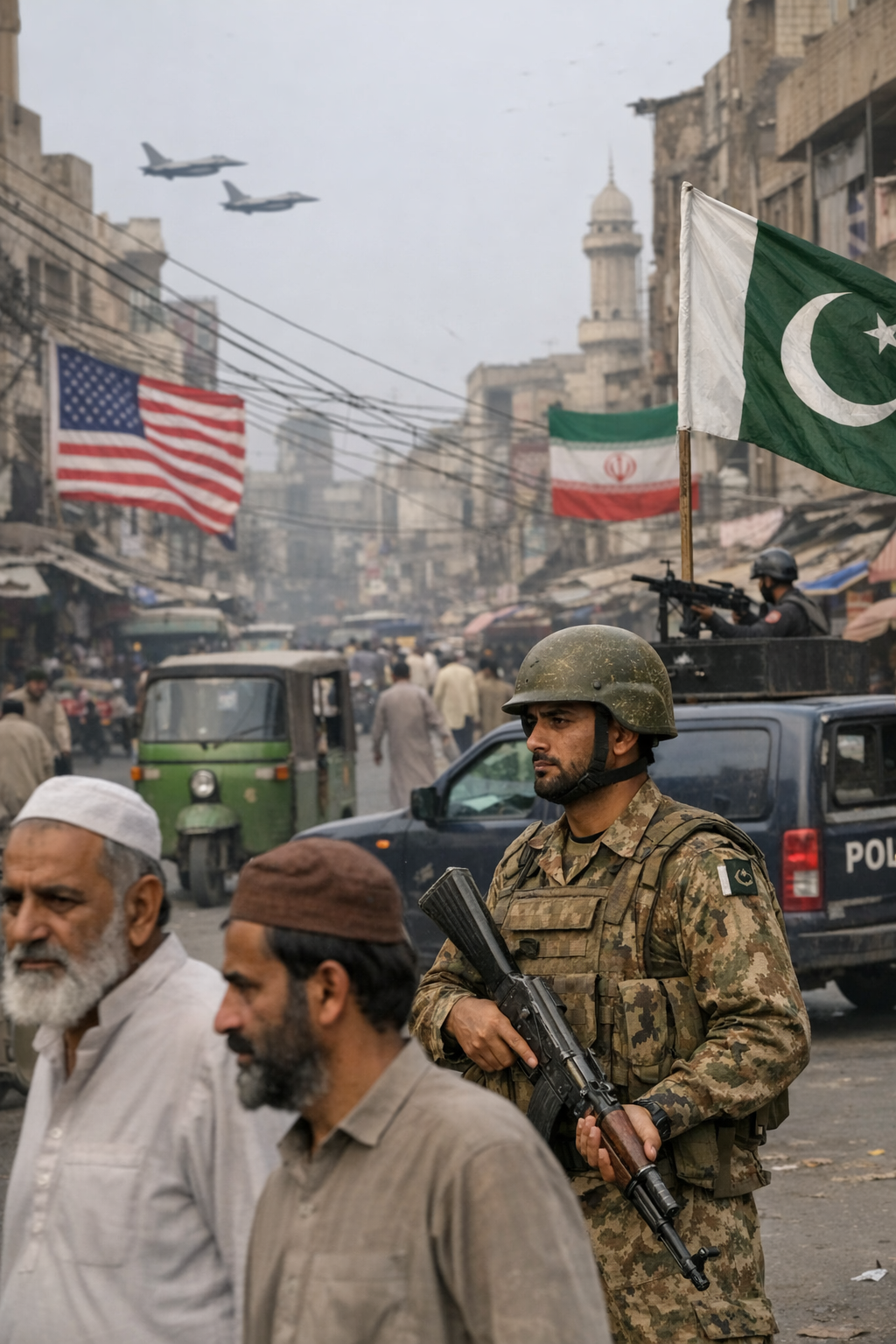
In its report titled “Pakistan Weighs Trump’s Iran War Plans,” The Wall Street Journal examines Islamabad’s delicate position as tensions rise over the prospect of renewed U.S. military action against Iran. The article outlines how Pakistan, long accustomed to navigating competing regional pressures, is once again facing a strategic balancing act shaped by geography, domestic politics, and shifting global alliances.
According to The Wall Street Journal, Pakistan’s leadership is wary of being drawn into a conflict that could destabilize its western border and inflame sectarian tensions at home. Iran shares a lengthy frontier with Pakistan, and any conflict could trigger refugee flows, cross-border militancy, and economic disruption. Officials cited in the report emphasize that Islamabad’s priority remains internal stability, particularly as it grapples with its own security and economic challenges.
At the same time, Pakistan’s relationship with the United States continues to influence its posture. While ties have cooled in recent years, security cooperation and financial considerations still carry weight. The article notes that any overt alignment with Washington’s military plans could carry domestic political costs, especially given widespread skepticism among Pakistan’s public toward U.S. interventions in the region.
The Wall Street Journal also highlights Pakistan’s deepening ties with China, which further complicate its calculus. Beijing has strategic interests in both Pakistan and Iran, including infrastructure investments and energy partnerships. Islamabad is therefore under pressure to avoid actions that could disrupt broader regional connectivity projects or antagonize key partners.
Iran, for its part, maintains a complex relationship with Pakistan, marked by both cooperation and mistrust. While the two countries have collaborated on border security and economic initiatives, tensions have periodically surfaced over militant activity along their shared frontier. The prospect of a U.S.-Iran conflict raises the risk that these fragile arrangements could unravel.
The report underscores that Pakistan’s leadership is seeking to project neutrality while quietly reinforcing its border security and diplomatic channels. Officials are reportedly engaging with regional stakeholders to reduce the likelihood of escalation and to ensure Pakistan is not isolated if conflict does erupt.
Ultimately, as described in The Wall Street Journal’s coverage, Pakistan’s response reflects a broader regional reality: middle powers caught between great-power competition and local vulnerabilities must navigate crises with caution, aiming to preserve sovereignty and stability while avoiding entanglement in conflicts not of their making.