Washington Shift Signals EV Sales Law Changes
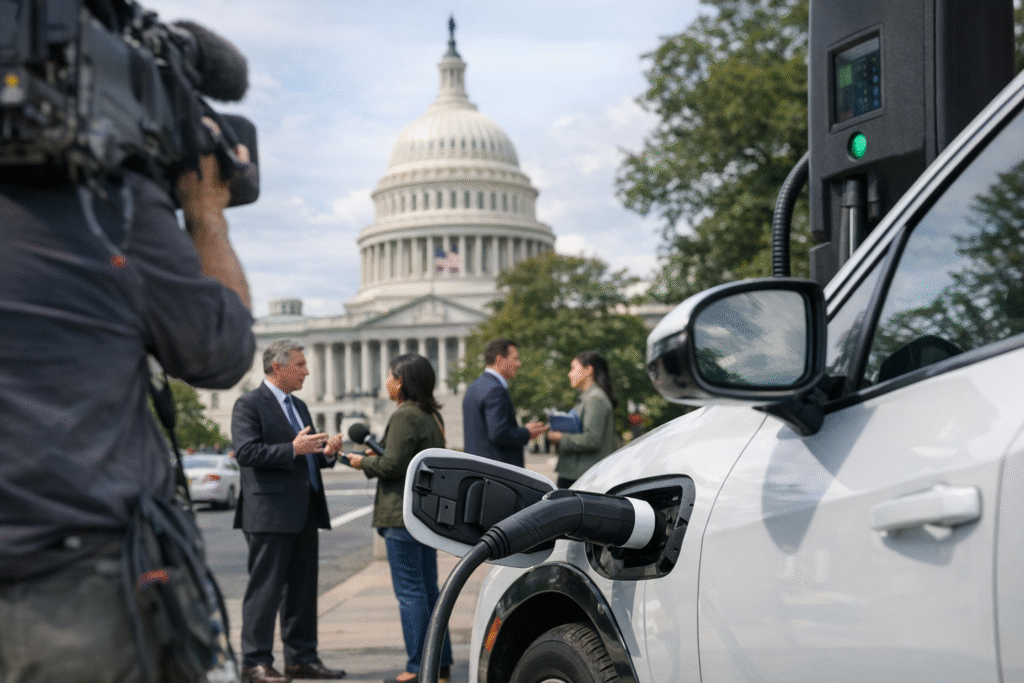
A recent retreat by auto dealers in Washington state marks a notable shift in the long-running battle over how electric vehicles are sold in the United States, signaling potential changes in other jurisdictions where legacy franchise laws have restricted direct-to-consumer sales.
According to the Wall Street Journal article “Rivian Made Car Dealers Back Down in Washington. More States May Be Next,” traditional dealership groups in Washington have softened their opposition to Rivian Automotive’s efforts to sell vehicles directly to buyers, rather than through franchised dealers. The development reflects mounting pressure on state-level regulatory frameworks as new entrants to the auto market challenge decades-old rules designed to protect dealership networks.
Franchise laws, which vary by state, have historically required auto manufacturers to sell vehicles through independently owned dealerships. These rules were originally intended to prevent manufacturers from undercutting dealers or monopolizing sales channels. However, companies like Rivian and Tesla have argued that these laws are ill-suited to modern electric vehicle companies that operate without legacy dealer networks.
In Washington, dealers had long resisted attempts to loosen such restrictions, citing concerns over consumer protection, pricing transparency, and the preservation of local businesses. Yet the Journal reports that the opposition has begun to erode as lawmakers consider exemptions or modifications that would allow Rivian to expand its direct sales model within the state.
The shift appears to be driven by a combination of political, economic, and technological factors. Electric vehicle adoption continues to accelerate, supported by federal and state incentives, while newer automakers have gained public and investor support for their direct sales approach. At the same time, consumers have grown more accustomed to online purchasing models, reducing the perceived necessity of traditional dealerships.
Industry observers suggest Washington’s evolving stance could influence legislative debates elsewhere. Several states continue to enforce strict limitations on direct vehicle sales, but pressure is building as more electric vehicle manufacturers seek entry. The Journal notes that policymakers in other regions are closely watching Washington’s experience, raising the prospect of a broader reexamination of franchise laws.
For dealership groups, the changes present both risks and opportunities. While direct sales models threaten established revenue streams, they may also compel traditional dealers to modernize their operations, invest in digital tools, and rethink customer engagement strategies. Some dealers have begun exploring partnerships with electric vehicle manufacturers or adapting their business models to align with shifting market dynamics.
Rivian, for its part, has positioned direct sales as central to its brand and customer experience, emphasizing transparency and streamlined purchasing. The company’s progress in Washington suggests that regulators may be increasingly receptive to accommodating alternative approaches, particularly as competition in the electric vehicle sector intensifies.
The outcome in Washington does not resolve the broader national debate, but it underscores a gradual recalibration of the balance between protecting established business interests and fostering innovation. As highlighted in the Wall Street Journal’s reporting, the direction taken by one state may foreshadow a wider transformation in how Americans buy cars.