Japan’s Akiya Boom Foreign Buyers Eye Empty Homes
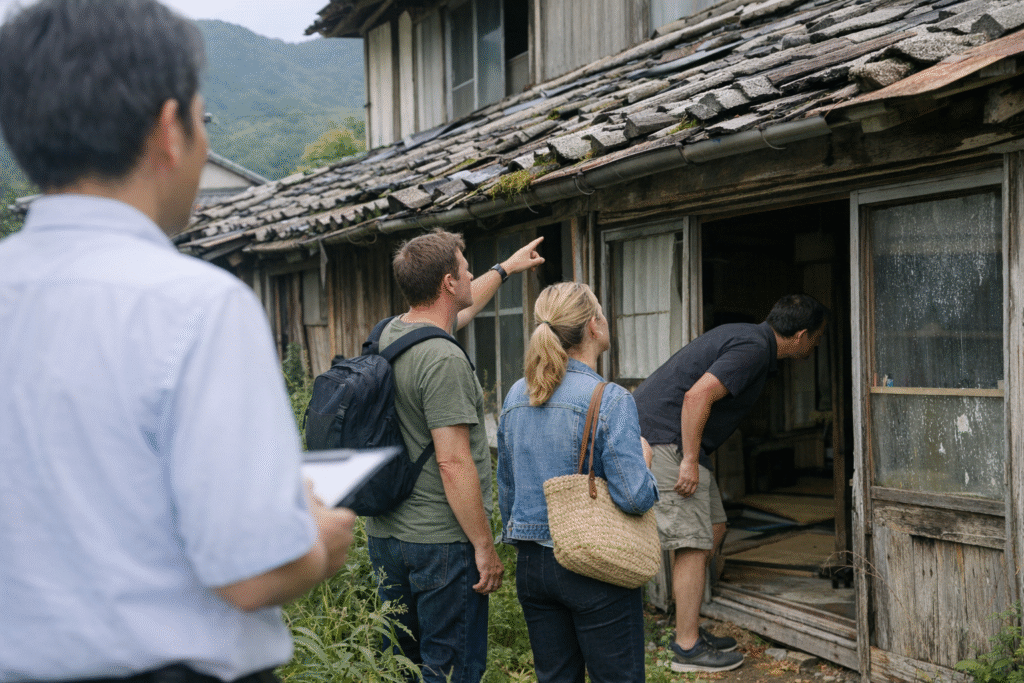
Japan’s growing inventory of vacant homes, known as “akiya,” is drawing renewed attention as demographic decline and rural depopulation reshape the country’s housing landscape. In “Akiya Japan Vacant Homes,” published by The Wall Street Journal, the phenomenon is examined not just as a domestic challenge but as an emerging opportunity attracting foreign buyers and investors.
Across Japan, millions of properties sit empty, the result of an aging population, low birth rates, and migration toward major urban centers. As elderly homeowners pass away or move into care facilities, many heirs choose not to occupy or maintain inherited properties, particularly in rural or less economically vibrant areas. Local governments, faced with shrinking tax bases and deteriorating neighborhoods, have responded by cataloging these homes and, in some cases, offering them at steep discounts or even for free under certain conditions.
The Wall Street Journal reports that this surplus is increasingly catching the attention of overseas buyers seeking affordable entry points into Japan’s property market. Compared with high real estate prices in global cities, akiya can be purchased at a fraction of the cost, sometimes for less than the price of a used car. For some, these homes present an appealing combination of cultural experience and investment potential, especially as remote work expands geographic flexibility.
However, the article also underscores the complexities involved. Many akiya require significant renovation due to years of neglect, outdated infrastructure, or compliance issues with modern building codes. Buyers often encounter bureaucratic hurdles, including local regulations, ownership disputes, and challenges related to registering properties. Additionally, the long-term value of such investments remains uncertain, particularly in regions where population decline shows little sign of reversing.
Municipalities have attempted to make these properties more attractive through subsidies and support programs aimed at revitalizing communities. Yet success has been uneven. While some towns have seen limited revitalization as newcomers renovate homes and establish businesses, others struggle to overcome structural economic decline.
The Wall Street Journal’s reporting highlights the broader implications of Japan’s akiya crisis. It is not merely a housing issue but a reflection of deeper demographic and economic shifts. As policymakers grapple with how to manage excess housing stock, the growing interest from foreign buyers introduces both opportunities and questions about sustainability, local integration, and the future of Japan’s rural regions.
In this context, akiya represent a paradox: they are symbols of decline and neglect, yet also potential catalysts for reinvention, depending on how effectively public policy and private initiative align.