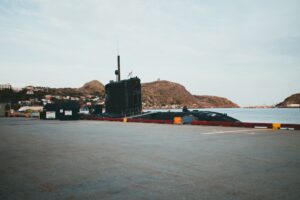
Navy Scraps USS Boise Overhaul After Cost Surge
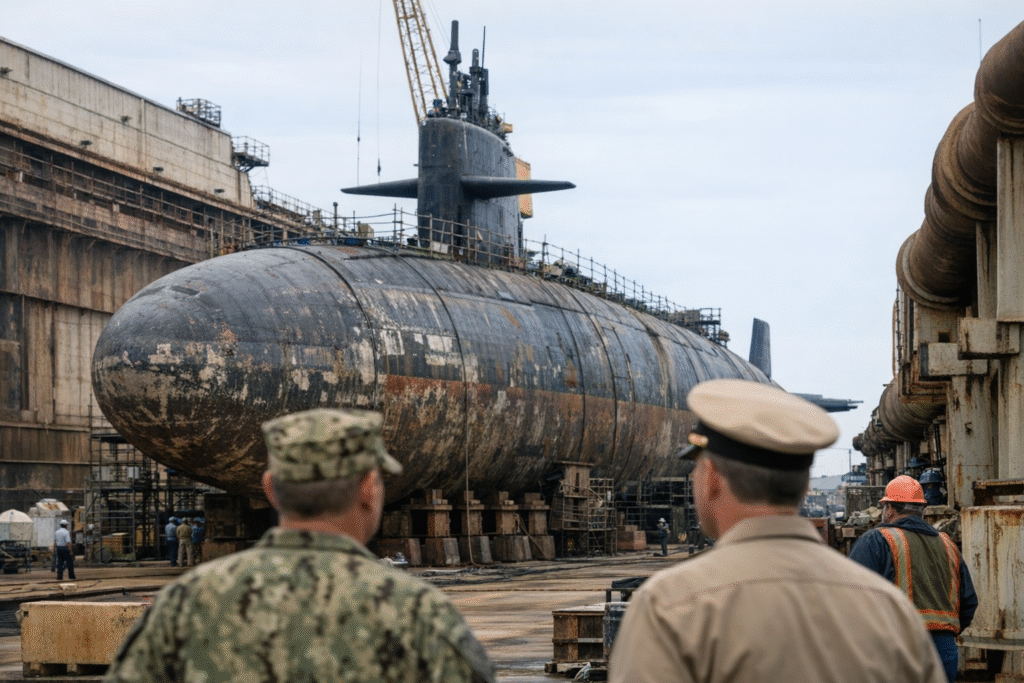
The U.S. Navy has terminated a long-delayed and increasingly costly overhaul of the attack submarine USS Boise, marking a notable shift in how the service manages major maintenance backlogs within its submarine fleet.
According to the Defense News report titled “US Navy ends USS Boise submarine overhaul after price tag soars,” the decision follows years of escalating costs and schedule overruns that rendered the original repair plan untenable. The overhaul, initially intended to return the Los Angeles-class submarine to operational service, had ballooned far beyond its projected budget, prompting Navy officials to conclude that further investment would not be cost-effective.
USS Boise has been out of service since 2015, when it was sidelined due to maintenance delays caused by a backlog at public shipyards. In 2019, the Navy opted to move the submarine to a private yard in an effort to accelerate repairs. However, persistent complications, including the scope of required work and the challenges inherent in refurbishing aging vessels, drove costs significantly higher than anticipated.
The Navy’s decision reflects broader systemic issues within its ship maintenance enterprise. Public shipyards have struggled for years with workforce shortages, aging infrastructure, and increasing demand, particularly as the submarine fleet has grown more heavily tasked. Efforts to offload work to private shipyards have produced mixed results, often encountering integration and cost-control challenges.
Ending the Boise overhaul underscores mounting pressures on the Navy to balance readiness with fiscal discipline. Rather than continue funding a project with diminishing returns, the service appears to be reallocating resources toward more sustainable maintenance strategies and newer platforms.
The move also raises questions about fleet capacity and operational readiness, as attack submarines remain in high demand for global missions. With USS Boise effectively removed from the near-term force structure, the Navy must contend with a tighter margin in meeting deployment requirements.
Ultimately, the decision signals a pragmatic, if difficult, recalibration. As highlighted by Defense News, the Navy is increasingly willing to abandon troubled legacy projects when costs outweigh strategic value, even when that means accepting a smaller available fleet in the short term.