Marines Expand ARV Program With New Prototype Team
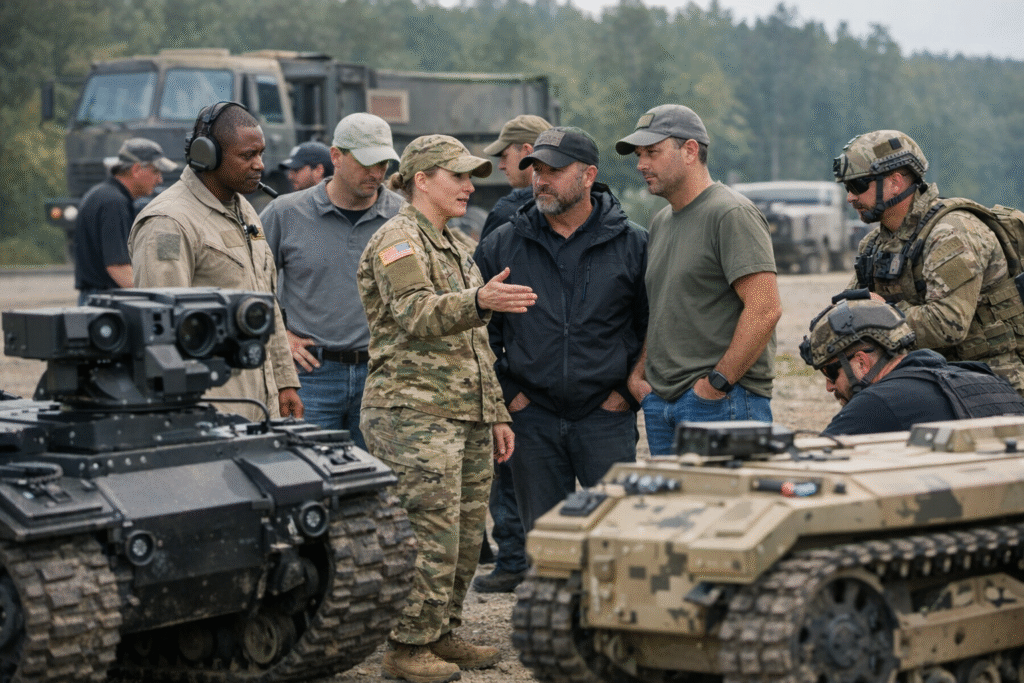
The U.S. Marine Corps has taken another step in its effort to modernize battlefield logistics by awarding a second rapid prototype contract for its Advanced Reconnaissance Vehicle (ARV) program, selecting a team led by Textron Systems and General Dynamics Land Systems, according to a report published by Breaking Defense titled “Marine Corps awards Textron, General Dynamics second rapid ARV prototype contract.”
The latest contract expands a competitive prototyping phase aimed at refining the ARV’s design and capabilities before a potential production decision. The Marine Corps is seeking a highly mobile, networked platform capable of performing reconnaissance, counter-reconnaissance, and targeting missions in complex, distributed operating environments. The ARV is expected to play a central role in the service’s Force Design modernization initiative, which emphasizes smaller, more agile units operating across contested maritime regions.
The Textron–General Dynamics team joins other industry competitors already engaged in developing ARV prototypes. The program’s iterative approach reflects the Pentagon’s broader shift toward rapid prototyping and experimentation, allowing the Marine Corps to evaluate multiple designs and incorporate operational feedback before committing to large-scale procurement.
According to details reported by Breaking Defense, the ARV is intended to integrate advanced sensing technologies, communications systems, and potentially unmanned platforms, enabling Marines to gather and share intelligence more effectively while reducing risk to personnel. The vehicle is also expected to support operations in austere environments, including littoral and island settings that are central to the Marine Corps’ evolving mission set.
The award underscores continued collaboration between major defense contractors as they compete in a program that could shape the future of Marine Corps reconnaissance capabilities. It also highlights the service’s emphasis on adaptability and technological integration as it prepares for potential high-end conflicts, particularly in the Indo-Pacific region.
Further prototype evaluations and testing are anticipated as the Marine Corps assesses performance, survivability, and interoperability requirements. A final down-select decision will determine which design, if any, advances to production, marking a significant milestone in the service’s broader transformation efforts.