Israeli Military Rehabilitation System Near Breaking Point as War Injuries Surge
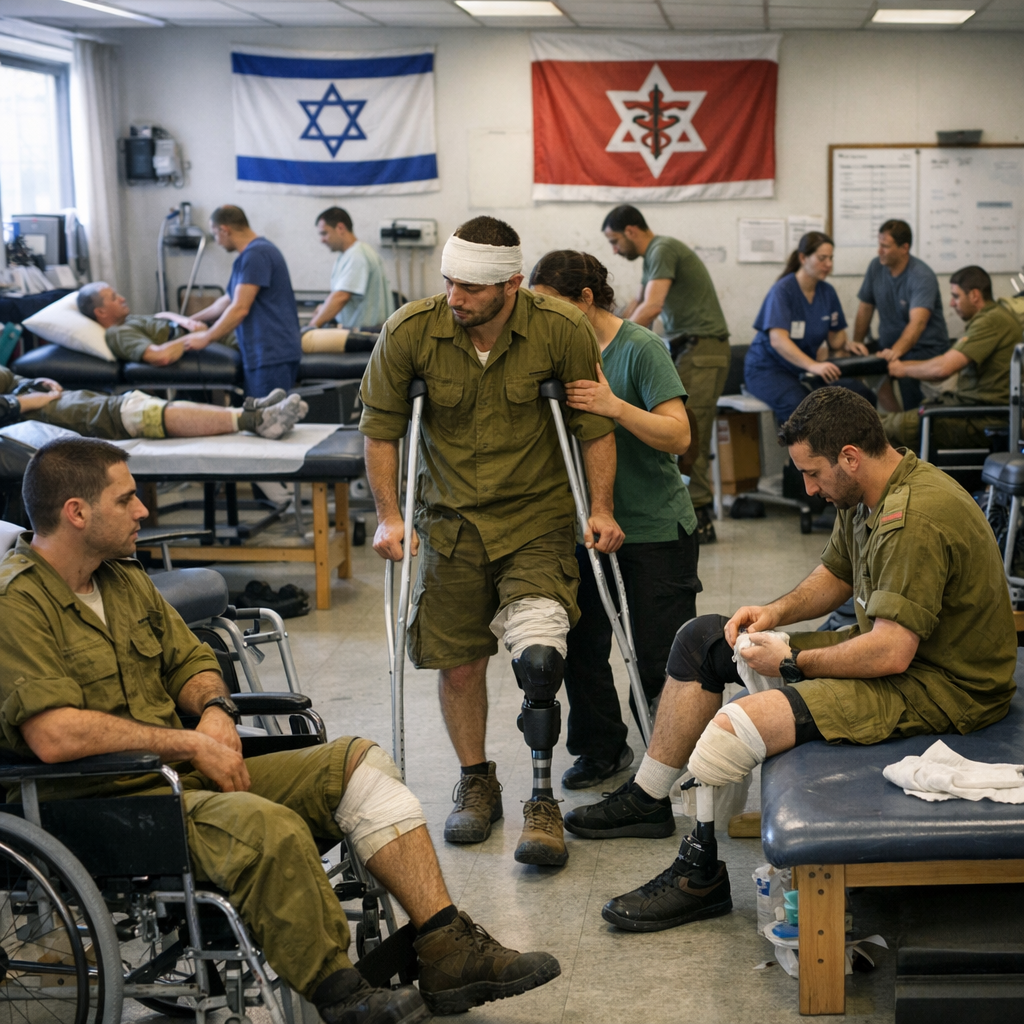
An Israeli Defense Ministry warning about mounting strain on its rehabilitation services has raised fresh concerns about the long-term human cost of the country’s ongoing military operations. As reported in the i24NEWS article “Defense Ministry warns rehabilitation system at risk of collapse”, officials say the system responsible for caring for wounded soldiers is approaching a breaking point under the weight of unprecedented demand.
According to the report, the Rehabilitation Department has seen a sharp increase in the number of injured service members requiring both immediate and long-term care. The surge is largely attributed to the current conflict, which has produced a higher volume of complex physical injuries alongside a significant rise in cases of psychological trauma, including post-traumatic stress disorder.
Officials cited in the i24NEWS report indicate that thousands of new patients have entered the system in a relatively short period, placing pressure not only on hospital facilities but also on outpatient services, mental health programs, and long-term support infrastructure. The scale and complexity of injuries—many involving multiple surgeries, extended recovery times, and ongoing therapy—have compounded the strain, reflecting patterns seen in other militaries dealing with long-term combat injuries, as noted by the RAND Corporation.
Beyond capacity issues, the Defense Ministry has warned of staffing shortages and limited resources that threaten the system’s ability to provide adequate care. Specialists in rehabilitation medicine, mental health professionals, and support personnel are reportedly in high demand, with recruitment and training struggling to keep pace with need, a challenge echoed in global healthcare workforce analyses by the World Health Organization.
The situation has prompted calls within Israel’s defense establishment for urgent government intervention. Proposals include increased funding, expansion of treatment facilities, and accelerated hiring and training programs for medical and therapeutic staff. Some officials have also emphasized the need for early intervention frameworks to better address psychological injuries before they become chronic, aligning with approaches recommended by the American Psychological Association.
The warning highlights a broader challenge facing militaries engaged in sustained conflict: the long-term obligation to care for wounded personnel extends far beyond the battlefield. In Israel’s case, the Rehabilitation Department is a central pillar of that commitment, providing lifelong support to veterans coping with both visible and invisible injuries, similar to systems such as the U.S. Department of Veterans Affairs long-term care programs.
Experts note that without significant investment and structural changes, the current trajectory could lead to deteriorating care standards and longer wait times for treatment, potentially exacerbating patients’ conditions. The Defense Ministry’s assessment, as cited by i24NEWS, suggests that the issue is no longer a matter of future planning but an immediate operational concern.
The strain on rehabilitation services underscores the evolving nature of warfare’s human toll, as advances in battlefield medicine increase survival rates while simultaneously expanding the population in need of long-term care. For Israel, addressing the growing burden on its rehabilitation system may prove to be one of the most pressing domestic consequences of the ongoing conflict.