Israeli Defense Officials Head to Washington as Iran Tensions Rise and Military Option Looms
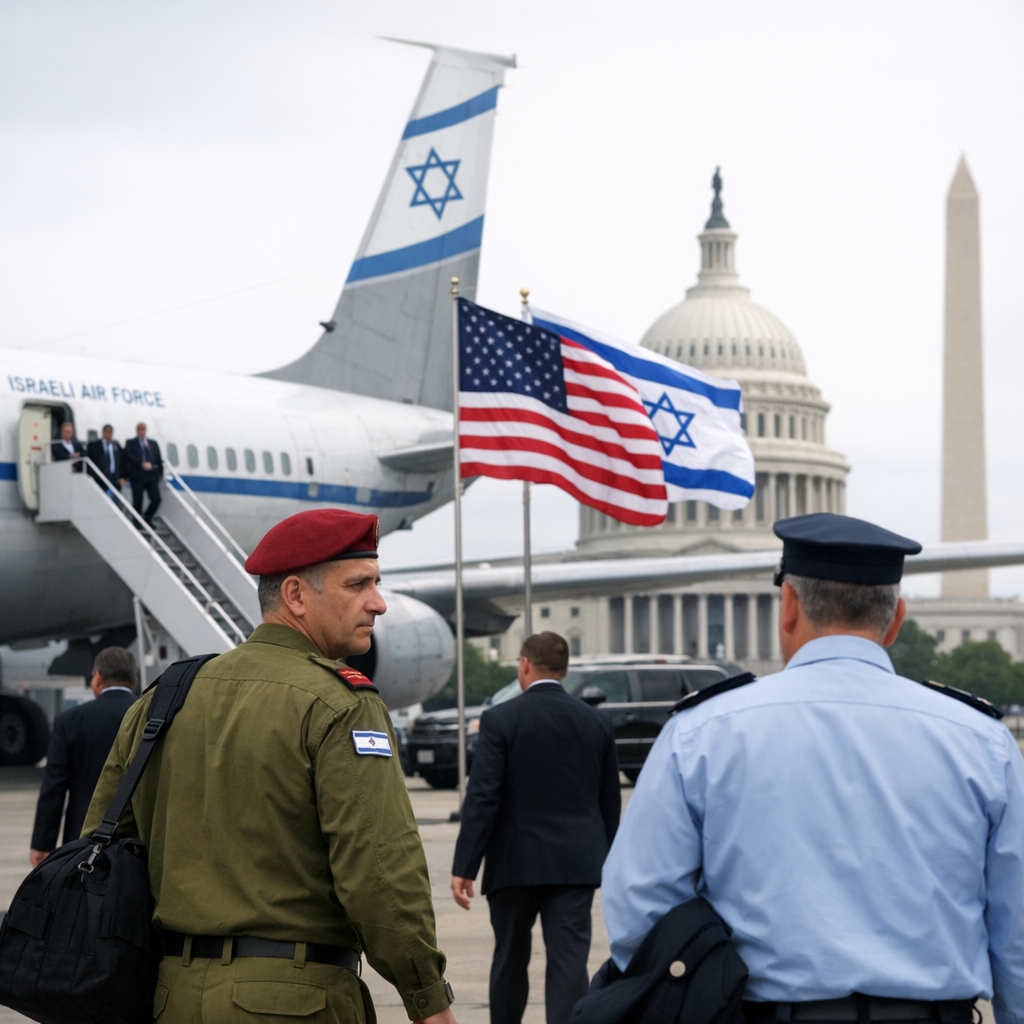
Senior Israeli defense officials are expected to travel to Washington in the coming days for high-level consultations with U.S. counterparts, as tensions over Iran’s nuclear program and regional security continue to mount. The planned visit comes amid renewed signals from Jerusalem that, despite ongoing diplomatic efforts, a military option remains under consideration.
According to the i24NEWS report titled “’A military option is still on the table’: senior Israeli defense officials expected to travel to US,” the delegation is anticipated to include key figures from Israel’s defense establishment who will engage in strategic discussions with officials at the Pentagon and other U.S. agencies. The talks are expected to focus primarily on Iran, including intelligence assessments, coordination of policy, and the potential contours of joint or independent action should diplomatic avenues fail.
Israeli officials have increasingly voiced skepticism about the effectiveness of international negotiations aimed at curbing Tehran’s nuclear ambitions. While the United States has continued to prioritize diplomacy, Israeli leaders have emphasized that they will not allow Iran to reach a nuclear weapons capability, reiterating long-standing red lines that have shaped their security doctrine. Recent reports from the International Atomic Energy Agency (IAEA) have added urgency to these concerns.
The upcoming meetings are seen as an effort to close gaps in strategic outlook between the two allies. Washington has sought to reassure Israel of its commitment to preventing a nuclear-armed Iran, a position reiterated in official statements from the U.S. Department of State, while also attempting to avoid escalation into a broader regional conflict. Israeli officials, however, have signaled that time may be running short to halt Iran’s nuclear advances through non-military means.
Beyond Iran, the discussions are also expected to touch on wider regional dynamics, including threats from Iran-backed groups such as Hezbollah and developments in Syria and Gaza. The coordination of air defense systems, intelligence sharing, and contingency planning are likely to feature prominently on the agenda.
The visit underscores the depth of the U.S.-Israel security partnership, reflected in longstanding cooperation frameworks outlined by the White House, even as both sides navigate differences in tactics and timing. Public messaging from Israeli officials that “a military option is still on the table” appears aimed not only at Washington but also at Tehran, signaling deterrence while reinforcing Israel’s readiness to act unilaterally if necessary.
As diplomatic efforts continue in parallel, the consultations in Washington may play a crucial role in determining whether the allies can align their strategies—or whether diverging approaches to Iran will become more pronounced in the months ahead.