Air Force’s Ammo Automation Breakthrough Delivers Millions in Savings and Boosts Readiness
A newly introduced ammunition linking machine is delivering substantial cost savings for the U.S. Air Force, highlighting how incremental technological improvements can yield outsized operational benefits across the force.
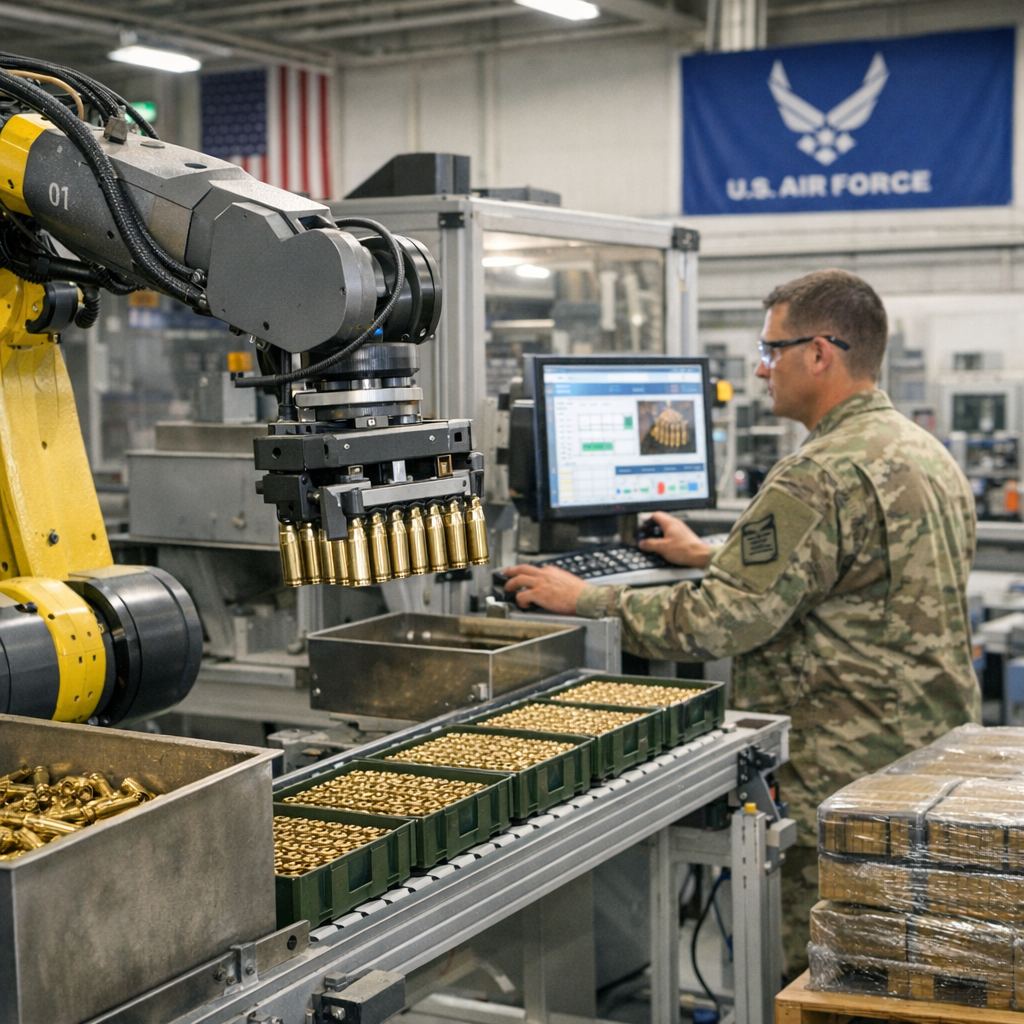
According to the article “Air Force unit’s new ammo linking machine saves $4 million a year,” published by Military Times, the equipment streamlines the once labor-intensive process of assembling linked ammunition belts used in aircraft weapon systems. Traditionally, this task required significant manual effort, time, and personnel, but the automated system has significantly reduced both workload and error rates.
The machine, now in use at an Air Force ammunition unit, automates the linking and delinking of rounds, ensuring consistency while accelerating throughput. Officials cited in the report say the technology not only improves efficiency but also enhances safety by reducing the need for repetitive manual handling of live ammunition, an issue often addressed in workplace safety guidelines.
The financial impact has been notable. The Air Force estimates the system saves approximately $4 million annually, largely by cutting labor hours and minimizing material waste. These savings come at a time when the service, like the broader Department of Defense, is under pressure to optimize spending without compromising readiness.
Beyond cost reductions, the machine enables personnel to be reassigned to higher-priority tasks. By reducing the manpower required for ammunition preparation, units can better allocate trained airmen to mission-critical roles, a shift that aligns with ongoing efforts to modernize the force and improve overall effectiveness, as outlined in broader Air Force modernization initiatives.
The development reflects a broader trend within the military to invest in relatively low-cost innovations that produce measurable gains. Rather than relying solely on large-scale procurement programs, service branches are increasingly adopting targeted technological solutions that address specific operational bottlenecks, a concept often discussed in military innovation research.
While the machine itself represents a narrow slice of military logistics, its success underscores a larger strategic principle: efficiency improvements in support functions can translate directly into enhanced combat capability. As the Air Force continues to refine its logistical infrastructure, similar innovations may play an increasingly prominent role in sustaining readiness and controlling costs.