GOP Signals Split Strategy on Iran With Diplomacy Hints and Strong Deterrence Warning
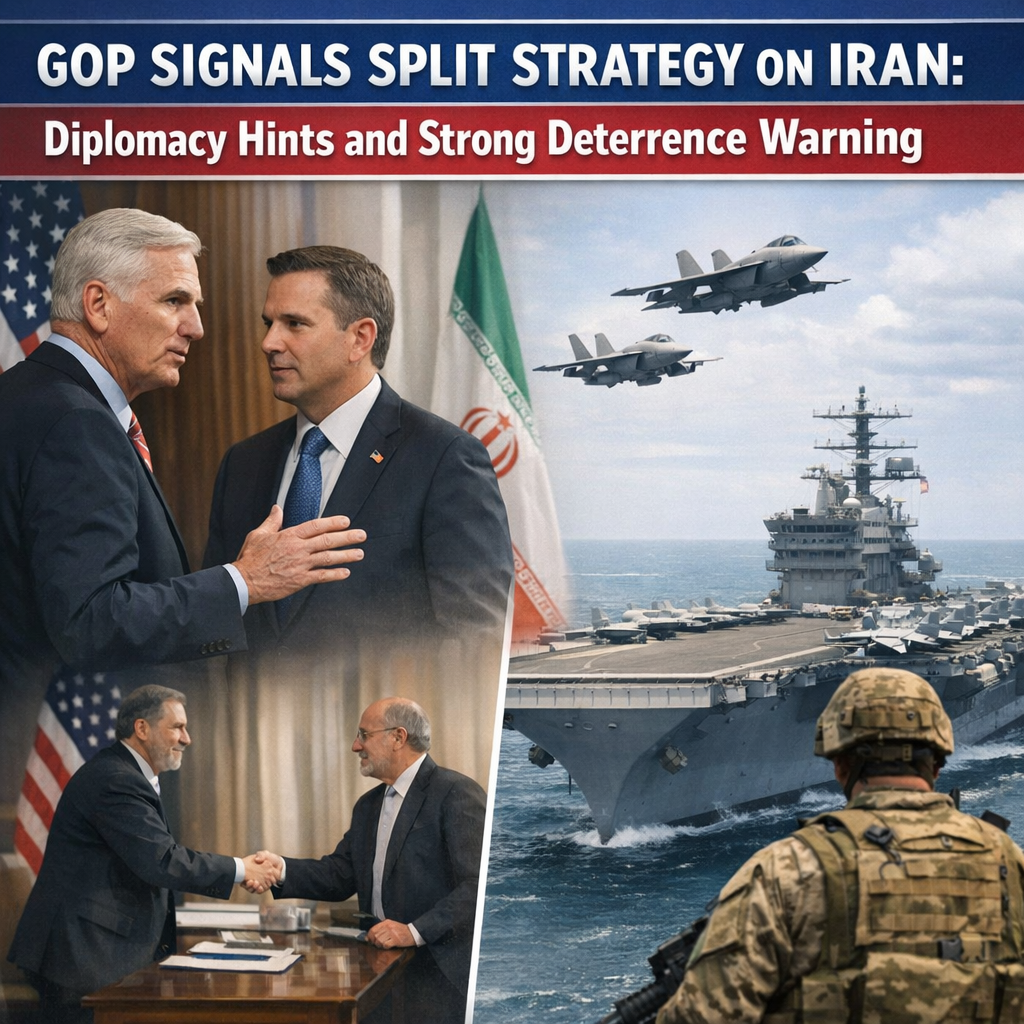
A recently published report by The Daily Wire, titled “Vance Hints At New Start For Iran As Trump Warns Tehran Over Hezbollah,” highlights a dual-track message emerging from Republican leadership on Iran, combining cautious openness to diplomatic change with forceful warnings over regional security.
According to the article, Senator J.D. Vance signaled the possibility of a recalibrated approach toward Iran, suggesting that under certain conditions there could be room for a “new start” in relations. While not outlining a specific policy framework, Vance’s remarks appeared to reflect a broader debate within U.S. foreign policy circles about whether shifting geopolitical dynamics, including economic strain within Iran and evolving regional alliances, could open limited opportunities for engagement. His comments suggested that any such opening would require demonstrable changes in Tehran’s behavior, particularly regarding its support for militant proxies.
At the same time, former President Donald Trump struck a markedly harder tone, issuing a warning to Tehran over its backing of Hezbollah, the Lebanon-based armed group designated as a terrorist organization by the United States. Trump’s comments underscored a longstanding concern among U.S. policymakers that Iran’s regional influence is largely projected through non-state actors, including Hezbollah, Hamas, and militia groups in Iraq and Syria. He emphasized that continued support for Hezbollah would carry consequences, reinforcing a deterrence-focused posture.
The juxtaposition of Vance’s conditional openness and Trump’s warning reflects an ongoing tension within Republican foreign policy thinking, where calls for strategic restraint and diplomacy coexist with a strong emphasis on deterrence and military readiness. Analysts note that this dual approach is not necessarily contradictory, but rather indicative of a broader effort to maintain leverage while leaving the door open to negotiation.
Iran’s role in regional conflicts has remained a central issue in U.S. Middle East policy for decades. Hezbollah, in particular, is seen by Washington as a key extension of Iranian influence, with deep involvement in Lebanon’s political system as well as military engagements in neighboring countries. U.S. officials have repeatedly accused Tehran of providing funding, weapons, and training to the group, allegations Iran has often deflected or denied. More on these accusations can be found via the U.S. Treasury’s Iran sanctions program.
The Daily Wire report comes amid heightened tensions across the Middle East, with concerns about potential escalation involving Iranian proxies and U.S. partners. In this context, Trump’s warning can be interpreted as part of a broader signaling effort aimed at deterring further regional destabilization. Meanwhile, Vance’s remarks point to the possibility that, despite entrenched hostilities, some policymakers are considering whether changing circumstances might warrant a reassessment of how the United States engages with Iran, a topic frequently analyzed by institutions like the Brookings Institution.
For now, there is no indication that either approach has coalesced into a formal policy proposal. However, the contrast in tone between the two figures illustrates the range of perspectives shaping Republican discourse on Iran, as well as the enduring complexity of balancing diplomatic opportunity with security imperatives.