Marines Face 12-Month Grooming Deadline or Exit
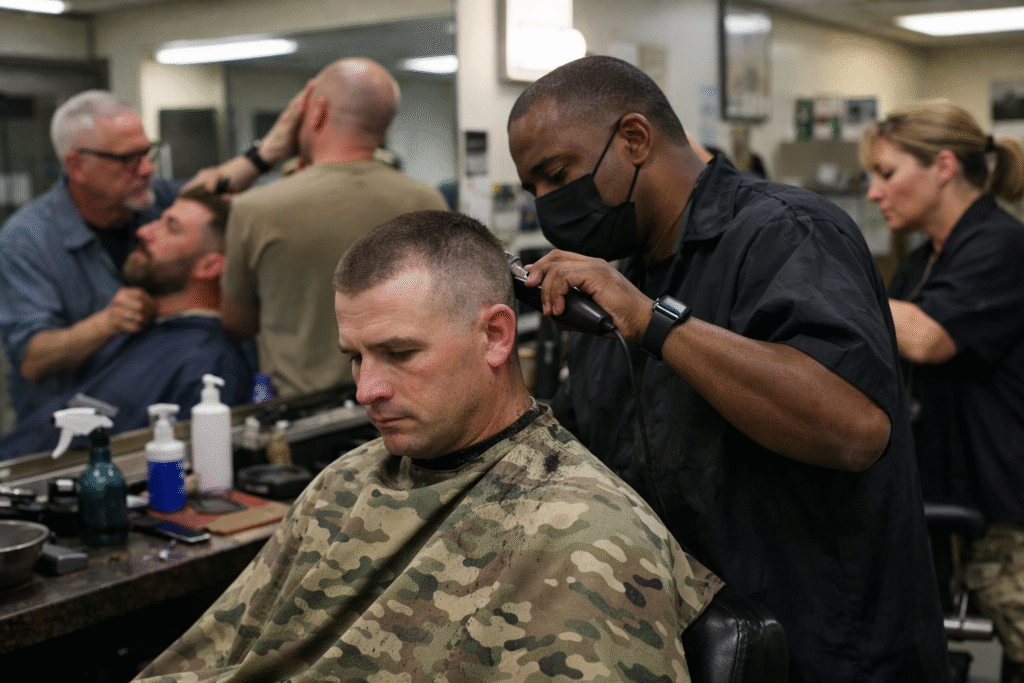
The Marine Corps has set a firm deadline for all service members to comply with its grooming standards, reinforcing a directive that could ultimately lead to separation for those who fail to meet requirements. The policy, outlined in the Military Times article titled “All Marines required to follow grooming standards within 12 months or face separation,” underscores the Corps’ renewed emphasis on uniformity and discipline across the force.
According to Military Times, the policy grants Marines a 12-month window to align with grooming regulations, after which noncompliance may result in administrative action, including discharge. The directive applies broadly, affecting active-duty personnel across ranks and specialties, and reflects leadership’s intent to standardize appearance following years of policy flexibility and evolving guidance.
Marine Corps officials have framed the move as a return to core expectations rather than a shift in philosophy. Grooming standards have long been considered a visible marker of discipline and cohesion within the service. By reestablishing firm compliance timelines, leadership appears to be signaling that deviations—whether previously tolerated or arising from changing norms—will no longer be accepted beyond the adjustment period.
The policy may have particular implications for Marines who previously received accommodations or who have adopted grooming practices at odds with traditional regulations. While the Corps has made limited allowances in specific cases, such as medical or religious waivers, the Military Times report indicates that the new directive places responsibility on individuals to ensure they fall within approved guidelines or obtain proper authorization.
Critics of stricter enforcement argue that rigid grooming rules risk clashing with broader cultural shifts and recruitment challenges, particularly as the military competes with civilian employers offering greater personal freedom. However, proponents maintain that uniform standards remain essential to military effectiveness, reinforcing accountability and shared identity in high-stakes environments.
The 12-month compliance window is intended to provide sufficient time for Marines to make necessary adjustments while allowing commanders to monitor progress and enforce the rules consistently. Still, the potential for separation introduces a significant consequence that may affect retention, particularly among those unwilling or unable to meet the standards.
As the deadline approaches, the Marine Corps will likely face close scrutiny over how it balances enforcement with flexibility. The implementation of the policy, as reported by Military Times, will serve as a test of the service’s commitment to its traditional values while navigating the practical realities of a modern force.