NATO Visit Signals Montenegro’s Membership Momentum
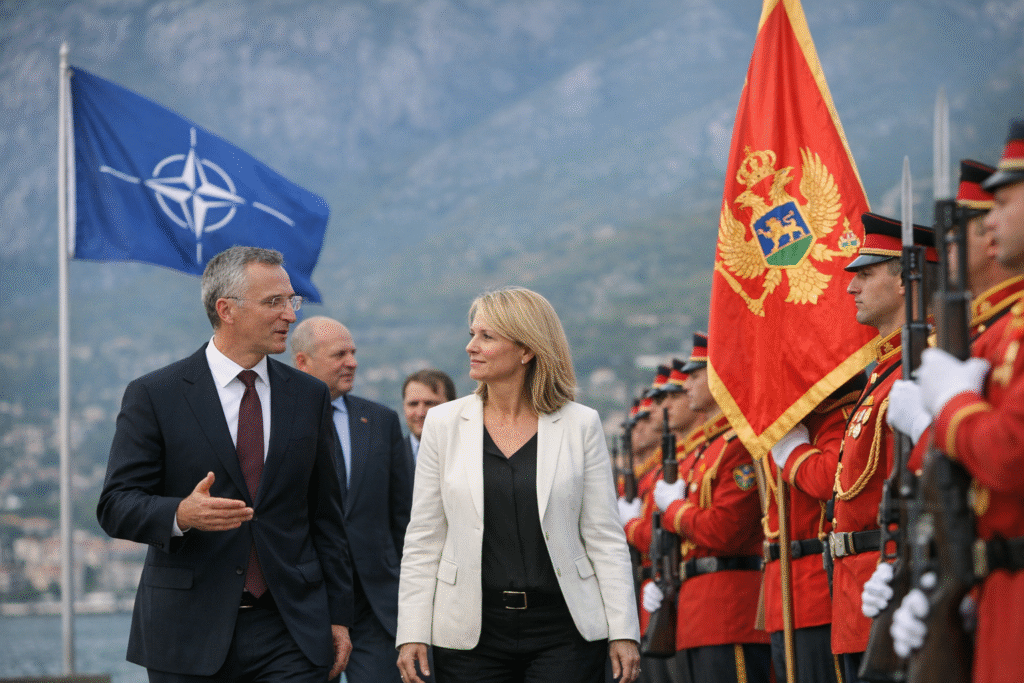
The North Atlantic Council began a two-day working visit to Montenegro in October 2015, underscoring the country’s growing ties with NATO at a pivotal moment in its Euro-Atlantic integration. According to the article “North Atlantic Council starts two-day working visit to Montenegro,” published on NATO’s official website, the visit brought ambassadors from NATO member states to Podgorica for high-level discussions with Montenegrin leaders.
The delegation, led by then NATO Secretary General Jens Stoltenberg, met with President Filip Vujanović, Prime Minister Milo Đukanović, and other senior officials to assess Montenegro’s reform progress and its aspirations for NATO membership. The talks focused on democratic governance, defense modernization, and the rule of law—key benchmarks for accession to the alliance.
At the time, Montenegro was widely seen as a leading candidate for NATO membership in the Western Balkans. The visit provided an opportunity for NATO representatives to evaluate reforms firsthand while signaling political support for the country’s trajectory. Officials emphasized that Montenegro’s integration would contribute to regional stability, particularly in a region where geopolitical competition and lingering tensions remained salient concerns.
The NATO delegation also engaged with parliamentarians, civil society representatives, and members of the opposition, reflecting an effort to gauge broader public and political consensus around membership. While the Montenegrin government maintained a clear pro-NATO stance, public opinion was more divided, making outreach and transparency important components of the process.
The visit formed part of NATO’s broader strategy to engage aspirant countries and reinforce partnerships across southeastern Europe. For Montenegro, it represented both a milestone and a test—an opportunity to demonstrate readiness for membership while addressing lingering challenges tied to governance and institutional reform.
Within weeks of the visit, NATO would extend a formal invitation to Montenegro to join the alliance, marking a significant step in the country’s post-independence foreign policy. The October meetings in Podgorica, as described by NATO’s official account, played a central role in shaping that outcome, highlighting the importance of sustained dialogue between the alliance and its prospective members.