Dakota Meyer Completes Elite Marine Recon Course
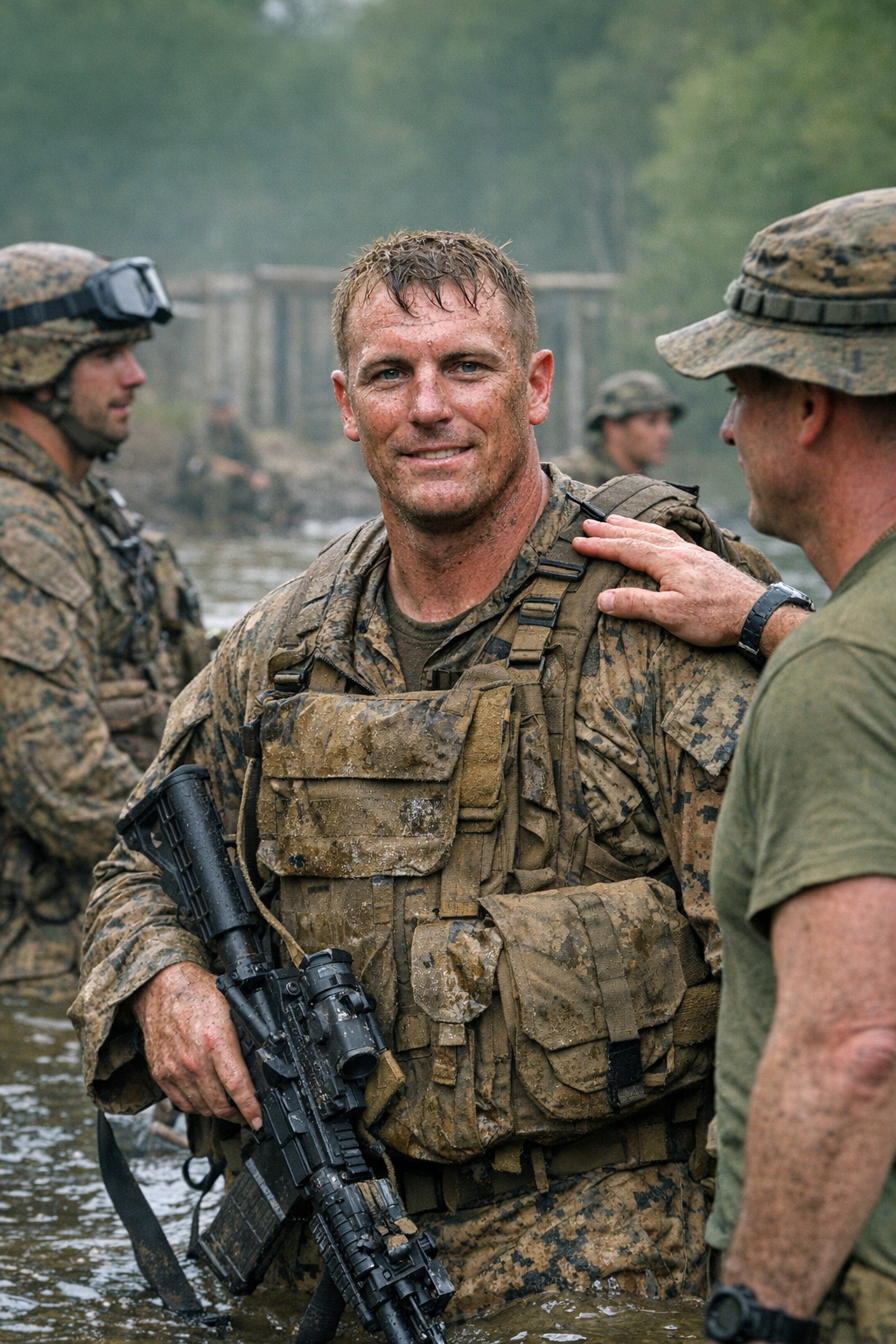
A decade and a half after receiving the United States’ highest award for valor, Dakota Meyer has added another demanding credential to his military résumé, completing the Marine Corps’ rigorous reconnaissance training pipeline. His graduation from the course marks an uncommon chapter in a career already defined by extraordinary battlefield recognition and continued service.
The development was first reported in the Military Times article “Medal of Honor recipient Dakota Meyer graduates from Marine Recon course,” which detailed Meyer’s return to one of the Marine Corps’ most physically and mentally taxing training environments. The reconnaissance course is designed to prepare Marines for specialized missions involving surveillance, amphibious operations, and deep insertion behind enemy lines, and is widely regarded as one of the Corps’ most selective programs.
Meyer, who received the Medal of Honor in 2011 for his actions during the Battle of Ganjgal in Afghanistan, had previously stepped away from active-duty service. His decision to reengage with the Marine Corps and pursue a challenge of this caliber underscores both a personal commitment to service and the evolving nature of modern military careers, where prior recognition does not exempt individuals from the demands placed on today’s warfighters.
According to the Military Times report, Meyer trained alongside other Marines without special treatment tied to his decorated status. Reconnaissance training emphasizes small-unit cohesion and performance under extreme conditions, and all candidates are expected to meet identical standards. His completion of the course signals not only individual endurance but also a willingness to be evaluated within a system that prioritizes uniform capability over rank or reputation.
Meyer’s trajectory highlights a broader cultural tension within the military between honoring past heroism and maintaining rigorous, standardized expectations. The reconnaissance community, in particular, has built its identity on quiet professionalism and peer validation, attributes that align uneasily with the public visibility that accompanies a Medal of Honor recipient.
His return to such an environment may also reflect shifting perceptions around long-term service among highly decorated veterans. Rather than transitioning permanently into civilian life or public roles, some are choosing to reenter operational settings, bringing with them both experience and symbolic weight.
The Military Times account situates Meyer’s achievement within this context, noting the significance of completing a course known for its high attrition rates. While the article does not suggest that his status altered the outcome, it emphasizes the symbolic resonance of a Medal of Honor recipient meeting the same benchmarks required of any Marine seeking entry into the reconnaissance field.
Meyer’s latest accomplishment reinforces a narrative that extends beyond singular acts of heroism. It illustrates the continued demands of military service long after the moment of recognition has passed, and the extent to which even the most decorated individuals remain subject to the same expectations as those they serve alongside.