Iran Missile Activity Drops Amid Military Strain
Recent assessments from U.S. officials indicate a sharp decline in Iranian missile activity alongside mounting signs of strain within Tehran’s military apparatus, developments that analysts say could alter the trajectory of ongoing regional tensions.
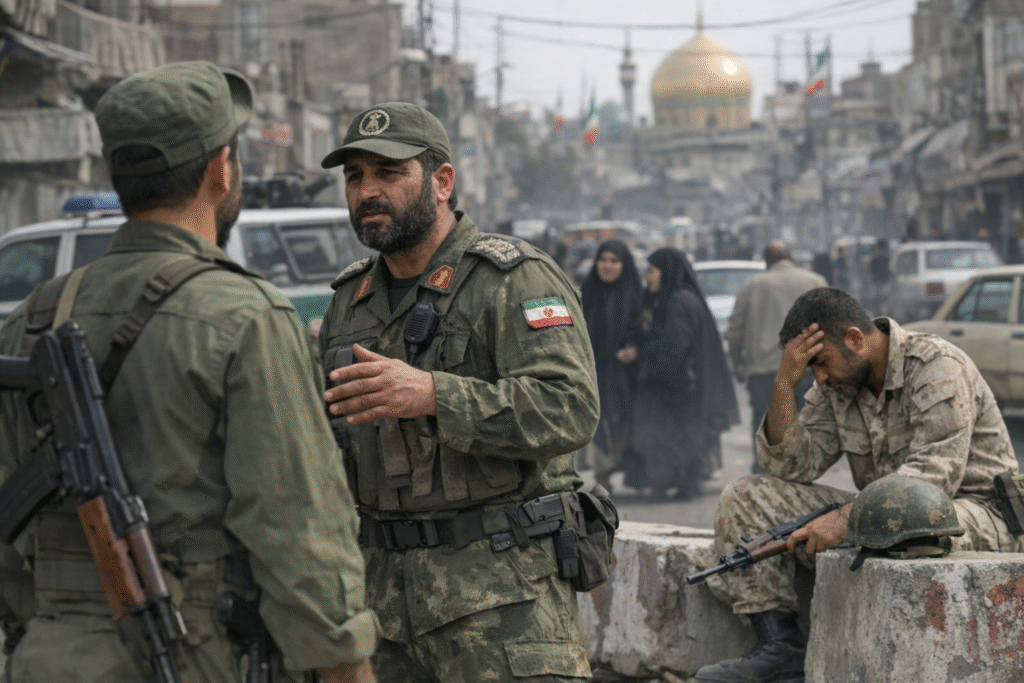
According to reporting by the Washington Free Beacon in the article titled “Iranian Missile Strikes Fall to Lowest Level Seen During War as Widespread Desertions Squeeze Regime’s Fighting Force, Hegseth Says,” U.S. Defense Secretary Pete Hegseth stated that Iranian missile launches have dropped to their lowest level since the current phase of conflict began. The decrease, he suggested, coincides with increasing personnel shortages driven by desertions and declining morale among Iranian forces and allied militias.
Officials cited in the report argue that the reduction in strikes is not the result of a strategic pause but rather a reflection of operational constraints. Intelligence assessments point to logistical challenges, battlefield losses, and waning cohesion among units as contributing factors. The issue appears particularly acute among proxy groups aligned with Tehran, which have long served as a force multiplier for Iran’s regional strategy.
Hegseth indicated that desertions are becoming a significant concern for Iranian leadership, with some units reportedly struggling to maintain readiness. While precise figures remain difficult to verify independently, the trend aligns with broader indications of stress within Iran’s military infrastructure, including difficulties in sustaining supply lines and coordinating multi-front operations.
Analysts caution, however, against interpreting the downturn in missile launches as a definitive sign of de-escalation. Iran retains substantial missile capabilities, and fluctuations in strike frequency may reflect tactical recalibration rather than a lasting shift. The regime has historically demonstrated the ability to regroup and adapt under pressure, particularly when leveraging asymmetric tactics.
Still, the convergence of reduced offensive activity and internal strain presents a notable moment in the conflict. If sustained, these dynamics could reshape both Iran’s immediate battlefield posture and its longer-term strategic calculations. U.S. officials appear to be monitoring the situation closely for signs of either continued degradation or a potential resurgence in Iranian operations.