Saft Wins Contract to Supply Lithium-Ion Submarine Batteries for Naval Group’s Next Generation of Undersea Platforms
Naval Group has selected Saft to provide next-generation lithium-ion batteries for its submarine programs, marking a significant shift in undersea propulsion.

French defense shipbuilder Naval Group has chosen battery manufacturer Saft to supply next-generation lithium-ion energy storage systems for its submarine programs, according to Naval News, which first reported the selection. The partnership signals a deliberate move by one of Europe’s leading naval constructors away from conventional lead-acid battery technology toward higher-density lithium-ion solutions that promise meaningful operational advantages for conventionally powered submarines.
The selection reflects a broader trend in European naval procurement toward advanced energy storage, a shift that intersects with the accelerating pace of undersea competition. NATO member navies have been investing heavily in submarine capability upgrades as naval spending accelerates across the alliance. For Naval Group, locking in a domestic French supplier like Saft also carries industrial-base implications at a time when supply chain sovereignty has become a priority for European defense planners.
What Lithium-Ion Means for Submarine Operations
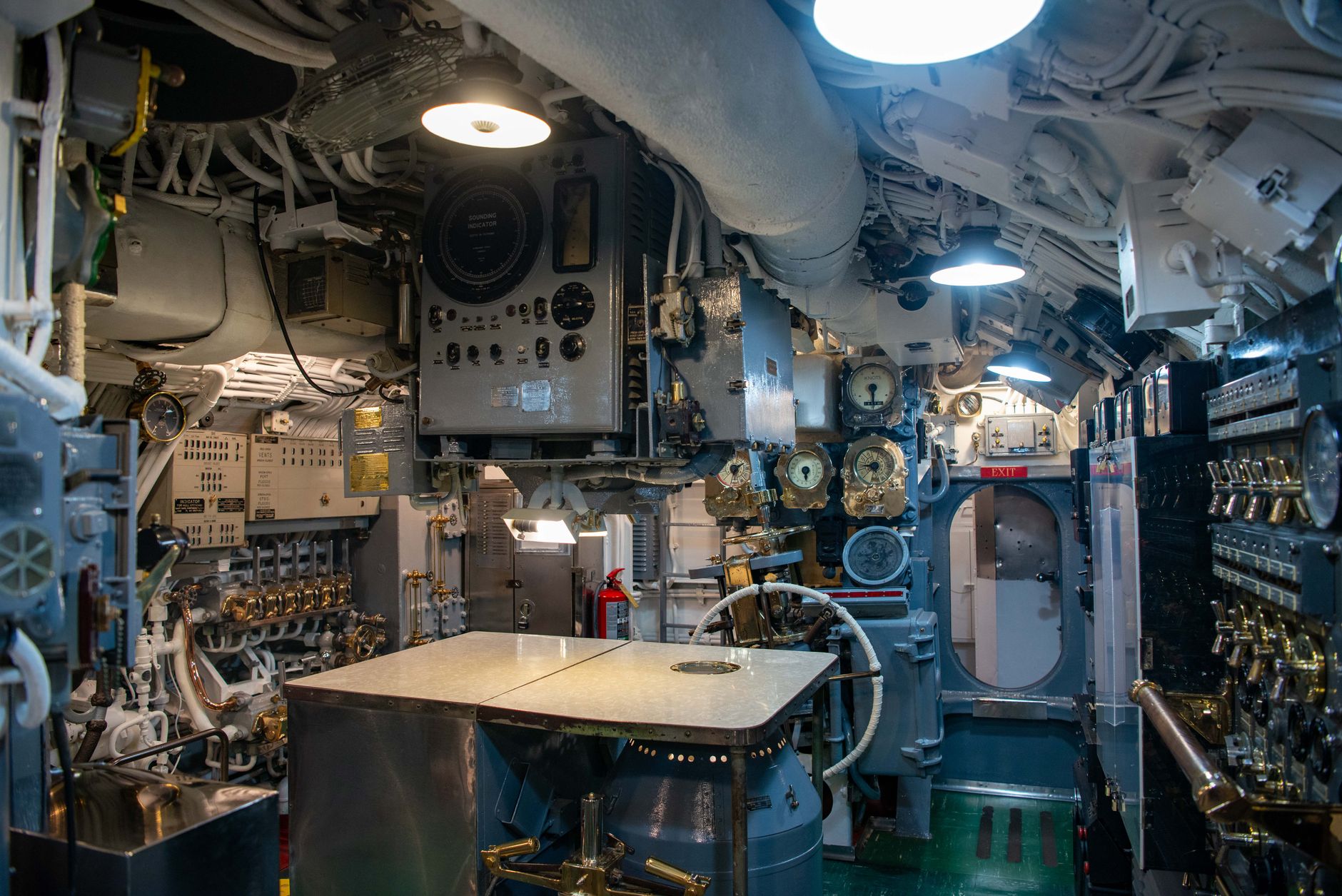
The shift from lead-acid to lithium-ion chemistry in submarine applications is not merely incremental. Lithium-ion batteries offer significantly higher energy density, faster recharge rates, and a longer service life compared to the lead-acid cells that have equipped diesel-electric submarines for decades. For a conventionally powered submarine, those characteristics translate directly into extended submerged endurance, reduced snorkeling time — the period when a submarine must run near the surface to recharge, exposing it to detection — and greater operational flexibility in contested or monitored waters.
Naval News reported that Saft’s next-generation lithium-ion systems are intended for integration into Naval Group submarine platforms, though officials have not publicly confirmed which specific submarine classes or export programs the batteries are initially earmarked for. Saft, a subsidiary of TotalEnergies, has an established background in defense and aerospace battery systems, positioning it as a technically credible partner for a program with significant safety and performance requirements. Lithium-ion systems in submarine environments demand rigorous thermal management and safety engineering given the confined spaces and the consequences of battery failure at depth.
Industrial and Strategic Context
The Naval Group-Saft arrangement reflects a French defense industrial logic that has been building for several years: sourcing critical enabling technologies from within the national or European defense-industrial base where possible. Battery systems have emerged as a strategic chokepoint in submarine construction, and dependence on non-allied suppliers for such components carries evident operational risk. Saft’s selection by Naval Group keeps that supply chain within France’s defense ecosystem.
The timing is also notable given the competitive pressure Naval Group faces internationally. The shipbuilder is active in export markets and is developing submarine programs for multiple customers. Advanced energy storage capability is increasingly a differentiator in submarine procurement competitions, where potential buyers evaluate submerged endurance and acoustic signature alongside price and through-life support. A validated, next-generation lithium-ion solution integrated into Naval Group platforms could strengthen the company’s export positioning, though the commercial implications of the Saft contract have not been formally detailed by either party. The development also underscores how legacy propulsion assumptions in conventional submarine design are being systematically revisited as the undersea maritime domains grow more contested globally.