UN Agencies Accused of Blocking Hamas Probe
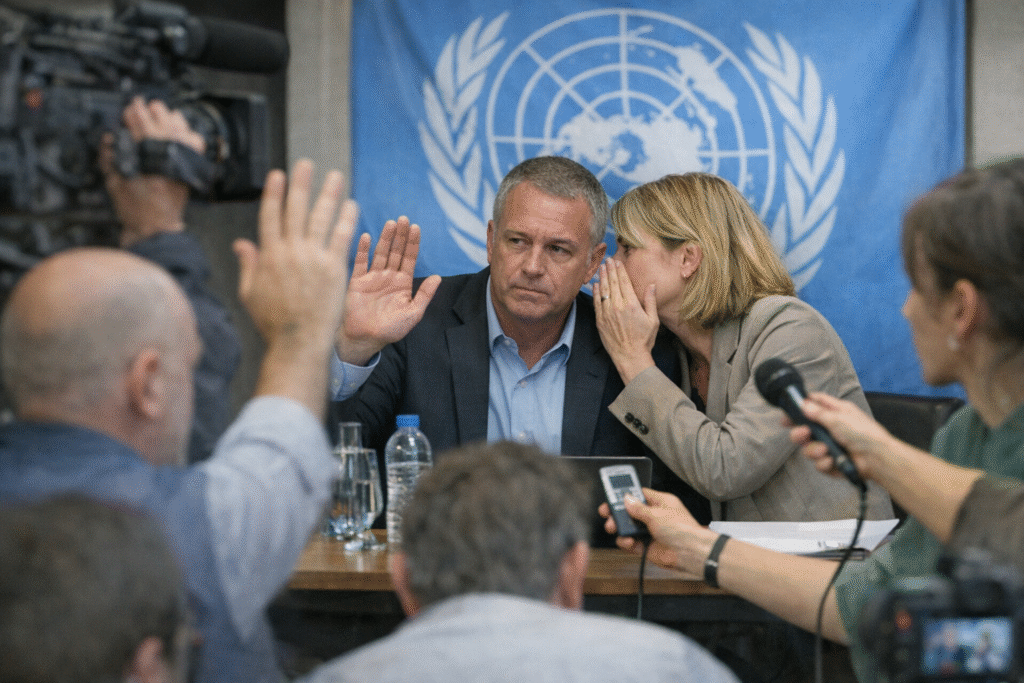
A new report to Congress alleges that several United Nations agencies are obstructing U.S. efforts to investigate potential links between their employees and Hamas, raising concerns about transparency within international institutions operating in conflict zones.
According to an article titled “UN Agencies Are Stonewalling a Probe Into Their Employees’ Ties to Hamas, U.S. Investigators Say in Report to Congress,” published by the Washington Free Beacon, American investigators have encountered repeated resistance while seeking information related to staff vetting, internal oversight procedures, and specific personnel suspected of ties to the militant group.
The report, compiled for lawmakers overseeing foreign aid and national security, indicates that requests for documentation and cooperation have either gone unanswered or been met with incomplete disclosures. Investigators argue that this lack of access is impeding efforts to determine whether U.S.-funded programs have inadvertently supported individuals affiliated with Hamas, which the United States designates as a terrorist organization.
The concerns appear to focus in part on agencies operating in Gaza and surrounding areas, where the scale of humanitarian assistance and the complexity of local governance create heightened risks of infiltration by armed groups. U.S. officials have emphasized that robust vetting mechanisms are essential to ensure that aid reaches civilians without benefiting militant networks.
The report also suggests that internal accountability structures within certain U.N. bodies may be insufficiently transparent, complicating external review. Lawmakers reviewing the findings are expected to weigh potential policy responses, including stricter conditions on funding or increased oversight requirements.
United Nations representatives have previously stated that they maintain neutrality and implement safeguards designed to prevent misuse of resources. However, the allegations outlined in the congressional report are likely to intensify scrutiny of those safeguards and could deepen tensions between U.S. authorities and international agencies tasked with humanitarian operations in volatile regions.
The dispute highlights the broader challenge of balancing urgent aid delivery with counterterrorism safeguards, a tension that has long complicated international engagement in conflict zones.