US widens probe into UNRWA staff Hamas links
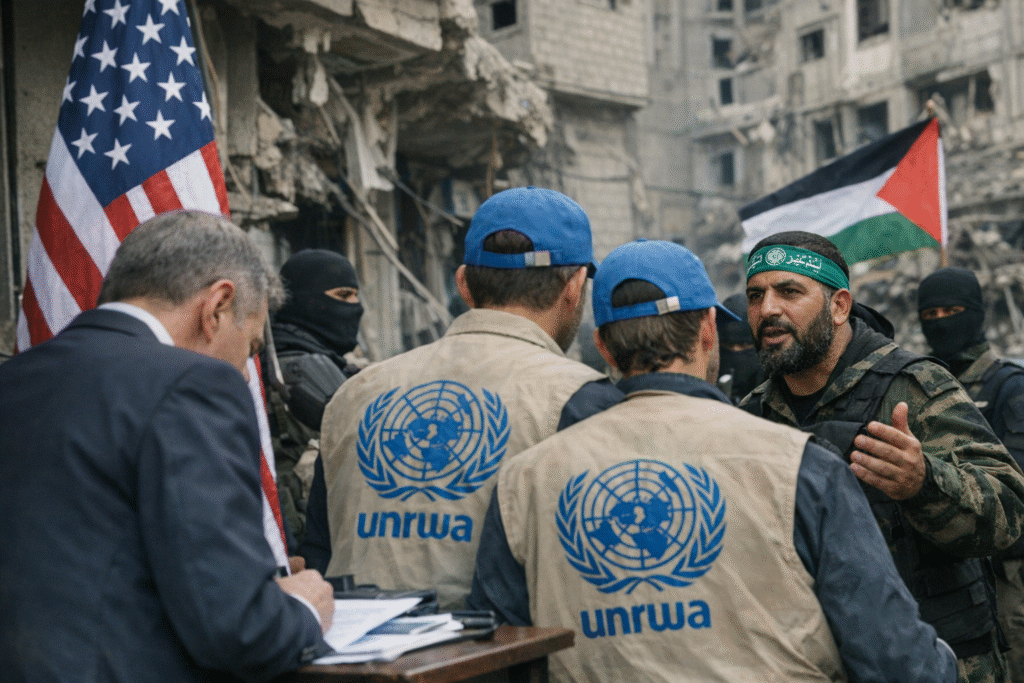
An expanding U.S. investigation into the United Nations Relief and Works Agency for Palestine Refugees in the Near East (UNRWA) is examining alleged ties between a substantial portion of its workforce and Hamas, according to a recent report by the Washington Free Beacon titled “Exclusive: US Probe of Embattled UN Gaza Relief Agency Expands to 1,500 Staffers Suspected of Hamas Ties—UNRWA Could Soon Be Labeled a Foreign Terrorist Organization.”
Citing U.S. and congressional sources, the report says investigators are now scrutinizing roughly 1,500 UNRWA employees over suspected links to the militant group, a figure significantly higher than previously disclosed. The allegations, if substantiated, would represent a major escalation in longstanding concerns raised by Israeli officials and some U.S. lawmakers about the agency’s neutrality and oversight practices in Gaza.
UNRWA, which provides education, healthcare, and humanitarian assistance to millions of Palestinians, has faced renewed scrutiny since the outbreak of the latest Israel-Hamas war. Earlier allegations that several staff members participated in or supported Hamas activities prompted multiple donor countries, including the United States, to temporarily suspend funding earlier in the conflict. Some funding has since been partially restored amid warnings from humanitarian organizations that cutting support could exacerbate conditions in Gaza.
According to the Free Beacon report, U.S. officials are considering a range of policy responses, including the possibility of designating UNRWA as a foreign terrorist organization. Such a move would be unprecedented for a U.N. body and would carry wide-ranging legal and diplomatic consequences, potentially criminalizing certain forms of engagement and funding.
The report indicates that the probe involves intelligence assessments as well as internal data analysis, including personnel records and social media activity, though details about the methodologies and evidentiary thresholds remain unclear. Critics of UNRWA argue that the agency’s hiring practices and local staffing model in Gaza increase the risk of infiltration by Hamas or other armed groups. UNRWA has repeatedly denied systemic wrongdoing, stating that it maintains strict neutrality policies and conducts regular internal reviews.
U.N. officials and humanitarian groups caution that broad punitive measures against UNRWA could disrupt essential services in Gaza, where the agency remains a primary provider of aid and infrastructure support. They argue that while individual misconduct should be investigated and addressed, dismantling or designating the organization could deepen an already severe humanitarian crisis.
On Capitol Hill, the issue has intensified partisan divides. Some lawmakers are pressing the administration to adopt a harder line against UNRWA, while others advocate for reforms paired with continued engagement to preserve aid delivery.
The Biden administration has not publicly confirmed the full scope of the investigation described in the Free Beacon report, nor has it signaled that a designation decision is imminent. Nonetheless, the growing scrutiny reflects a broader reassessment of how international aid organizations operate in conflict zones where militant groups exert significant influence.
As the investigation continues, the outcome could reshape not only U.S. policy toward UNRWA but also the broader framework governing humanitarian operations in politically volatile environments.