Ukraine Downs 90% of Air Threats Amid Surge
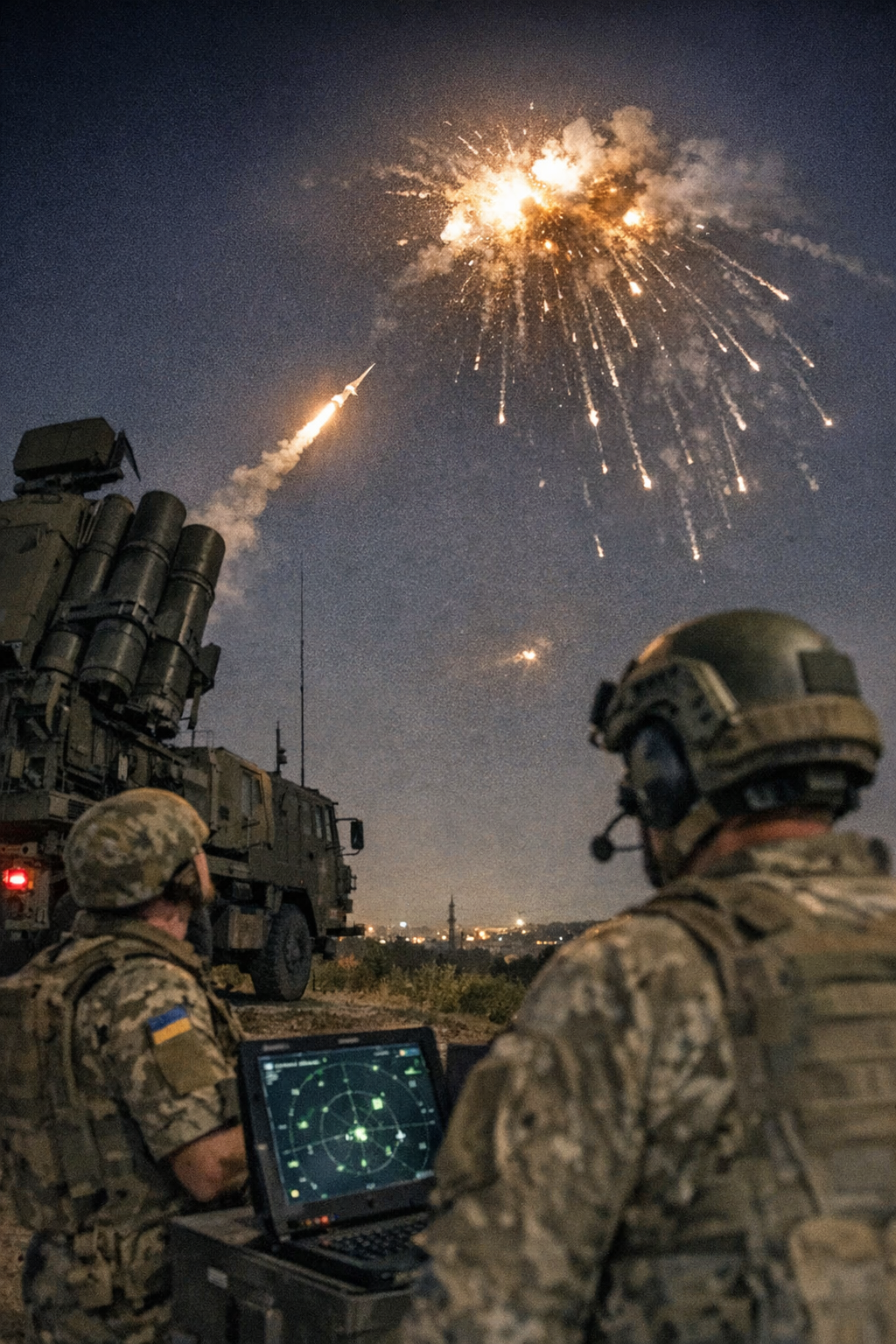
Ukraine’s air defense forces reported intercepting nearly 90 percent of incoming aerial threats in March, even as Russia intensified its strike campaign, according to figures cited in the Defense News article “Ukraine claims near 90% air defense success in March as attacks increase.”
The data, drawn from Ukrainian military sources, reflects what officials describe as both growing pressure on the country’s air defense systems and continued effectiveness despite that strain. March saw a noticeable increase in the volume and frequency of Russian missile and drone attacks, part of a broader pattern of sustained long-range strikes targeting infrastructure and urban areas.
Ukrainian authorities say their forces shot down a substantial majority of cruise missiles, ballistic threats, and unmanned aerial vehicles launched during the month. The reported interception rate underscores the critical role Western-supplied air defense platforms have played in Ukraine’s defensive posture, including systems such as Patriot, NASAMS, and IRIS-T.
At the same time, officials have cautioned that the rising tempo of attacks presents ongoing challenges. Larger and more complex strike packages, often combining drones with different types of missiles, are designed to overwhelm air defense networks and exploit gaps. Even with a high interception rate, a small percentage of successful strikes can result in significant damage, particularly to energy infrastructure and civilian facilities.
Analysts note that Russia’s evolving tactics reflect an attempt to adapt to Ukraine’s improving defenses by increasing volume and varying attack profiles. This places additional pressure on Ukraine’s finite supply of interceptor missiles, which are costly and require steady resupply from international partners.
Ukrainian leaders continue to emphasize the need for sustained and expanded support, arguing that maintaining a high interception rate depends not only on existing systems but also on access to additional munitions and advanced technologies.
The figures highlighted in Defense News point to a dual reality: Ukraine’s air defenses remain highly effective by conventional standards, yet they are operating under intensifying strain as the conflict enters another phase marked by persistent aerial assaults.