Trump Iran threat revives foreign policy debate
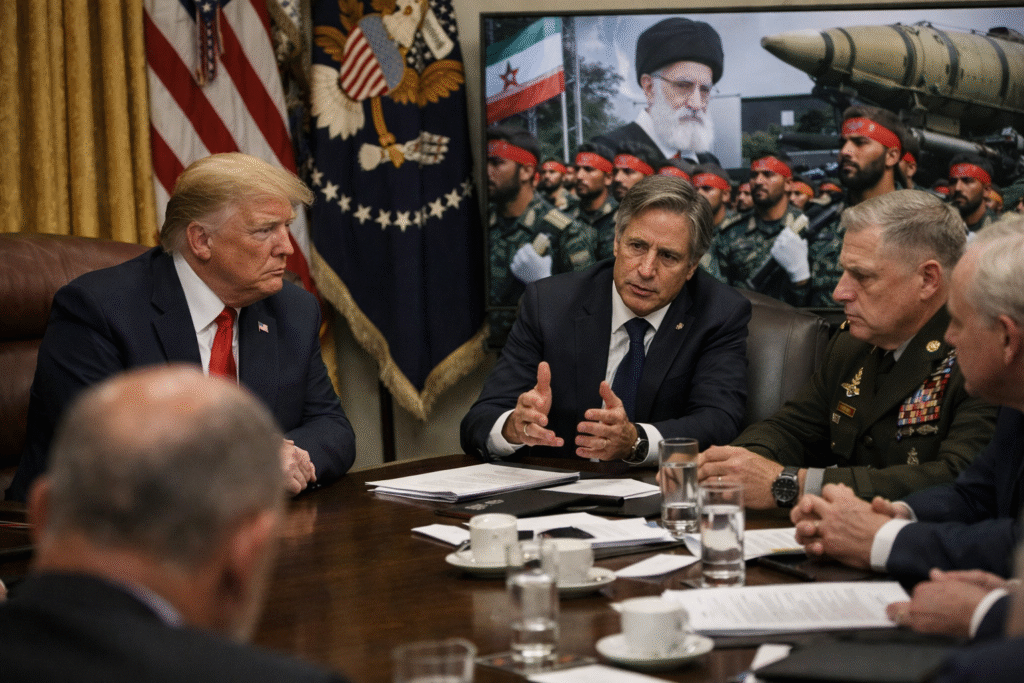
A recent report by the Washington Free Beacon, titled “For 47 Years They’ve Been Bullshitting Other Presidents, Trump Threatens to Take Out the Entire Country of Iran in Just One Night If Regime…,” highlights renewed attention on former President Donald Trump’s rhetoric toward Iran and the broader implications for U.S. foreign policy.
According to the article, Trump, speaking in a campaign context, described Iran as a longstanding adversary that has evaded firm consequences from successive U.S. administrations. He asserted that prior presidents had failed to confront Tehran decisively and suggested that his own approach would be far more forceful. In particularly stark terms, Trump said the United States could, if necessary, eliminate Iran as a functioning state in a single night, though he did not outline specific military plans or strategic details.
The comments, as presented by the Washington Free Beacon, reflect a continuation of Trump’s hardline posture toward Iran, which was a defining feature of his presidency. During his time in office, the United States withdrew from the 2015 nuclear agreement, imposed sweeping economic sanctions, and authorized the targeted killing of Iranian General Qassem Soleimani, moves that significantly escalated tensions between the two countries.
National security analysts have long debated the risks associated with such rhetoric. Critics argue that framing military action in absolute or maximalist terms can increase the likelihood of miscalculation, particularly in an already volatile region. They caution that Iran retains significant retaliatory capabilities, both directly and through proxy forces across the Middle East, making any large-scale conflict potentially far-reaching.
Supporters of a more confrontational stance contend that credible threats can serve as a deterrent, particularly against adversaries perceived to respond primarily to strength. They point to Iran’s continued development of its nuclear program and regional activities as justification for a more assertive U.S. posture.
The Washington Free Beacon article places Trump’s remarks within the broader trajectory of U.S.-Iran relations, which have been fraught since the 1979 Iranian Revolution. Over the decades, diplomatic efforts have alternated with periods of heightened hostility, with no lasting resolution to key disputes, including Iran’s nuclear ambitions and its role in regional conflicts.
Trump’s comments come at a time when the Biden administration continues to navigate a complex relationship with Tehran, balancing diplomatic engagement with efforts to contain Iran’s nuclear progress and regional influence. While no immediate policy changes are tied to Trump’s statements, they underscore the sharp divergences in how U.S. leaders approach one of the country’s most enduring foreign policy challenges.
As the United States moves toward another election cycle, rhetoric around national security and the use of military force is likely to remain a central point of debate, with implications not only for domestic politics but also for international stability.