Rafael Crosses the 1,000-Unit Threshold With Its TYPHOON Remote Weapon Station
Rafael Advanced Defense Systems has delivered its 1,000th TYPHOON remote weapon station, marking a major export and production milestone.
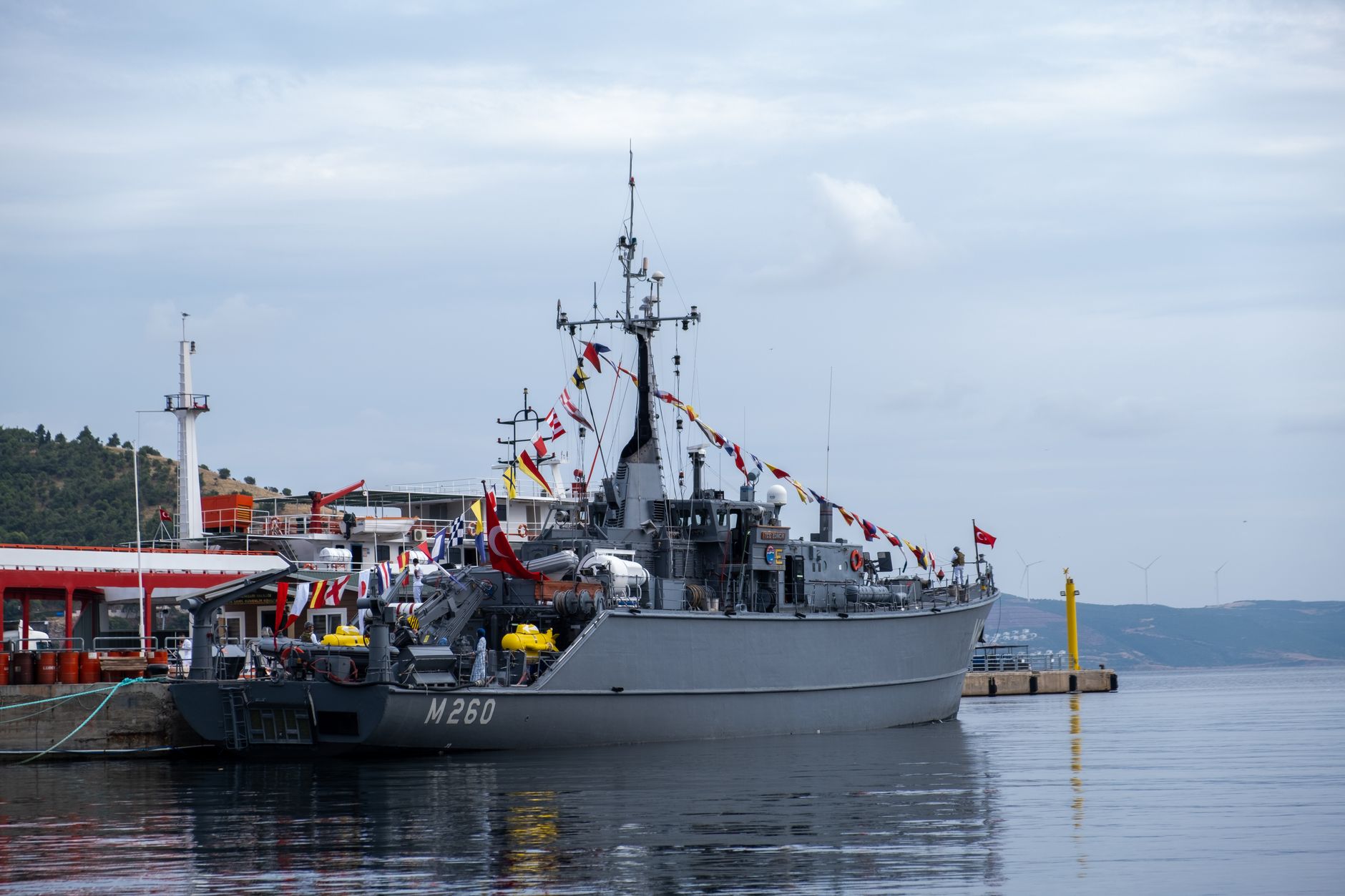
Rafael Advanced Defense Systems has delivered the 1,000th unit of its TYPHOON remote weapon station, with the Israeli Navy receiving the milestone system, according to Naval News. The handover marks a significant production and export benchmark for one of the company’s most widely fielded naval surface-weapon platforms. For context on broader naval posture developments, carrier strike group deployments have underscored sustained great-power demand for advanced maritime capabilities.
The TYPHOON is a stabilized, remotely operated weapon station designed for installation on naval vessels, capable of integrating a range of weapon calibers and sensors. Its stabilization system allows accurate engagement from a moving platform, and its remote operation removes crew from exposed deck positions during engagements. The system has been adopted by multiple navies beyond Israel, giving Rafael a substantial international customer base across the platform’s production run.
Production Scale and Export Reach
Reaching 1,000 units delivered is a marker that few defense subsystems achieve, reflecting both longevity in service and consistent demand across multiple procurement cycles. Naval News reported that the milestone delivery went to the Israeli Navy, the platform’s domestic operator and, in effect, its anchor customer since the system’s introduction. The figure encompasses deliveries to international customers as well, pointing to a program that has achieved genuine export penetration rather than relying solely on domestic orders.
Rafael has not publicly detailed the full customer list associated with the 1,000-unit total, and officials have not confirmed the specific breakdown between domestic and foreign deliveries. What the milestone does confirm is that the TYPHOON has sustained production at a pace sufficient to cross that threshold across its operational life — a distinction that carries weight in a defense market where many naval weapon programs produce systems in the dozens rather than the hundreds.
Operational Significance for the Israeli Navy
For the Israeli Navy, the TYPHOON serves as a primary remotely operated armament on patrol vessels and smaller combatants, providing crews with the ability to engage surface and low-altitude targets without exposing personnel. The system’s modularity — allowing commanders to configure it with different weapon fits — has been a consistent selling point in both domestic procurement and export pitches. Israel’s defense sector has prioritized sensor-to-shooter integration in recent development cycles, and the TYPHOON fits within that broader push toward reduced crew exposure and networked engagement. Rafael’s work in interceptor production illustrates the wider industrial tempo the company has been sustaining across multiple programs simultaneously.
The 1,000th delivery also arrives at a moment when naval demand for remote weapon stations has been rising globally, driven partly by the lessons of recent maritime conflicts that have elevated the operational value of standoff engagement and crew protection. Rafael has not announced a follow-on production contract tied to the milestone, and further program details — including any planned upgrades to the baseline TYPHOON configuration — have not been confirmed in the Naval News reporting. The milestone nonetheless positions Rafael as one of the few non-U.S. defense manufacturers to achieve four-digit production volume on a naval weapon station platform.