Two Carrier Strike Groups Hold Forward Positions as Navy Maintains Reduced Global Deployment Footprint
The U.S. Navy had two carrier strike groups deployed as of July 28, 2026, with one operating in the Middle East under CENTCOM.
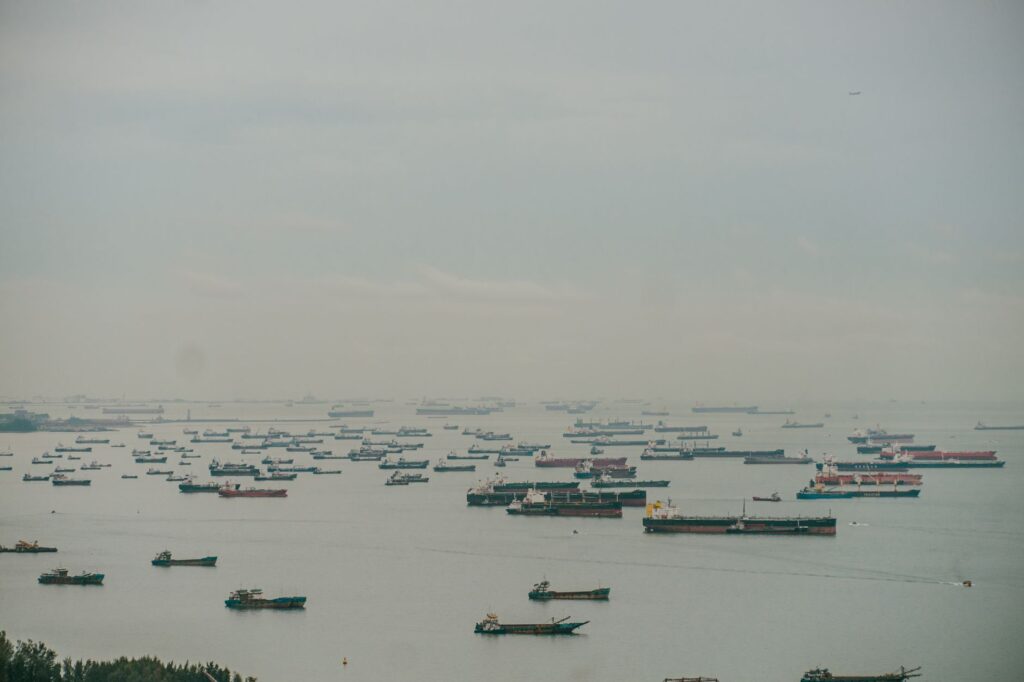
As of July 28, 2026, the United States Navy had two aircraft carrier strike groups deployed in forward operating areas, according to The War Zone’s regular carrier tracking report. The deployment picture reflects a posture that has drawn attention in recent months, as the Navy has operated with a notably reduced number of carriers at sea compared to earlier periods of heightened global activity. That reduced tempo has broader implications for Pacific deterrence planning and the service’s ability to simultaneously cover multiple theaters.
The War Zone’s July 28 update identified USS Harry S. Truman (CVN-75) as operating in the U.S. Central Command area of responsibility in the Middle East. U.S. Central Command confirmed the carrier’s presence and activity in the region through an official statement posted to X.
A Leaner Deployment Tempo Across the Fleet
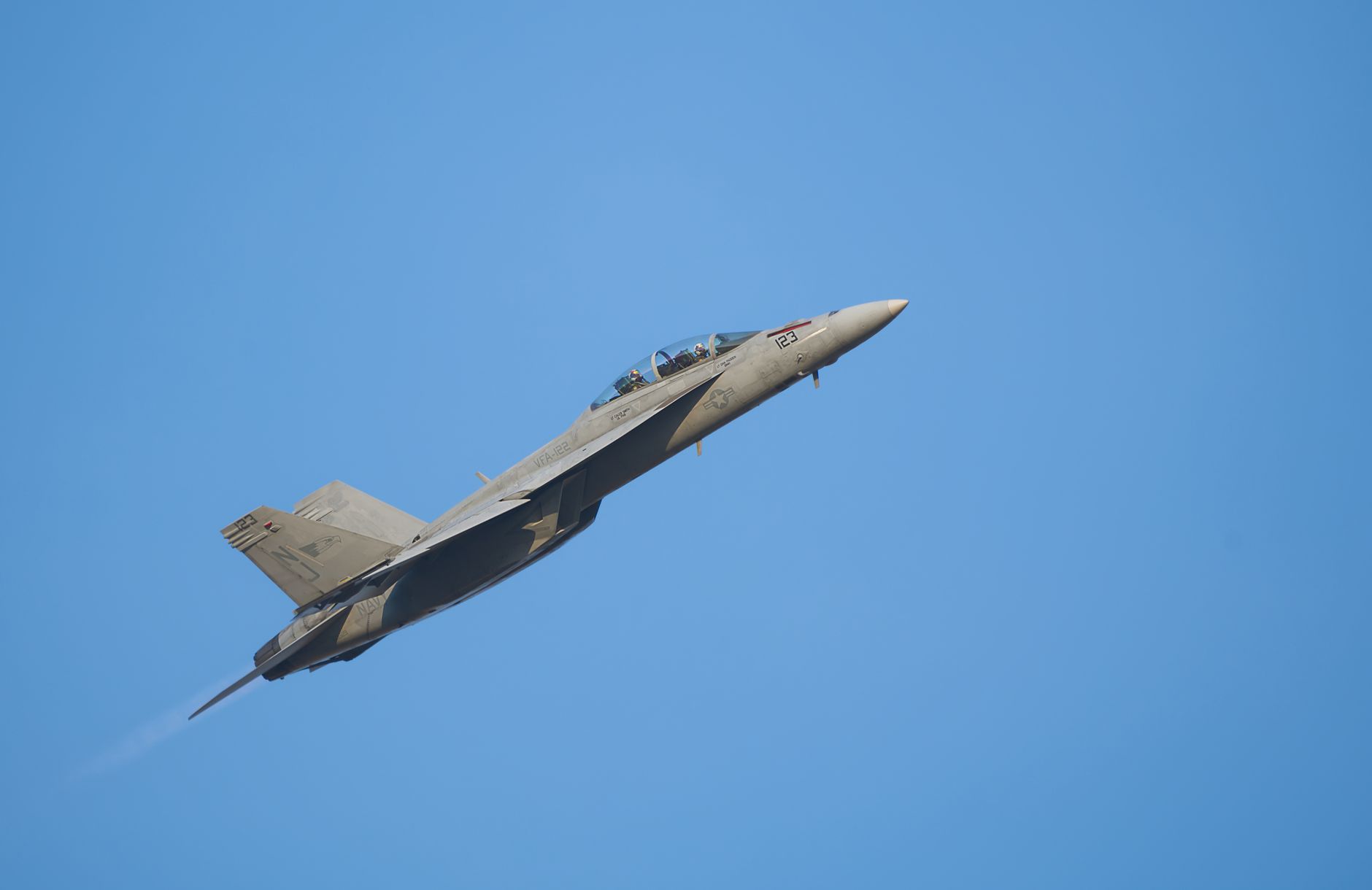
The current deployment count represents a continuation of a trend that analysts have noted throughout the summer. As Forbes reported early July, the Navy had only four carriers deployed at that point — itself a figure that reflected maintenance cycles, shipyard availability, and operational scheduling pressures across the eleven-carrier fleet. By late July, that number had drawn down further to two forward-deployed strike groups, according to The War Zone’s tracking.
The reasons behind reduced carrier availability are structural as much as operational. Maintenance backlogs at U.S. naval shipyards have been a persistent challenge, limiting how quickly carriers can cycle from depot-level maintenance back to fleet readiness. Officials have not confirmed specific timelines for when additional carriers are expected to return to deployment status based on the information available in The War Zone’s July 28 report.
CENTCOM Presence and Regional Signaling
The presence of a carrier strike group in the CENTCOM area of responsibility carries deliberate signaling value. The Middle East theater has remained a priority tasking for Navy surface forces, particularly given ongoing concerns about maritime security in the Red Sea and Persian Gulf corridors. A carrier’s sustained presence in the region underscores U.S. commitment to freedom of navigation and the protection of partner-nation interests, even as the overall deployed carrier count remains at the lower end of recent historical norms.
The second deployed carrier identified in The War Zone’s July 28 tracking was operating outside the CENTCOM theater, though specific location details for that hull were not elaborated upon in the source report. The Navy routinely declines to confirm precise real-time locations of carrier strike groups for operational security reasons. Officials have not provided additional public comment beyond what was captured in The War Zone’s reporting and CENTCOM’s social media disclosure regarding Truman’s regional activities.
The War Zone publishes its carrier location tracker as a recurring feature synthesizing publicly available information, official releases, and open-source maritime monitoring. It remains one of the most widely referenced unclassified tools for tracking the Navy’s global carrier posture. The July 28 edition reflects a fleet navigating the competing demands of forward presence requirements, readiness cycles, and a shipbuilding and maintenance industrial base that has struggled to keep pace with operational demand — a challenge that intersects directly with naval readiness debates playing out across the service.