Pentagon Launches Formal Review of American Troop Presence Across Europe
The Pentagon has begun a formal review of U.S. force posture in Europe, raising questions about the future of American troop commitments to NATO allies.

The Pentagon has formally initiated a review of United States military force posture in Europe, according to reporting by Military Times. The assessment, which officials say has already begun, will examine the scale, configuration, and distribution of American forces stationed across the continent — a review with significant implications for NATO cohesion and the broader architecture of European security that has been in place since the Cold War. The timing comes as Washington continues to press European allies to shoulder more of their own defense burden, a demand that has defined the current administration’s posture toward the alliance.
The announcement was disclosed through an official statement from Elbridge Colby, the Under Secretary of Defense for Policy, who confirmed the review was underway and signaled that no assumptions about existing troop levels would be taken for granted.
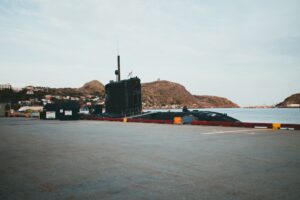
The review arrives as Washington’s strategic attention remains visibly divided. The strike group deployments now sustaining forward positions in the Pacific and Middle East underscore how strained U.S. global force allocation has become — a reality that makes the European posture question not merely political, but operationally consequential. Officials have not confirmed what force thresholds or timelines the review will consider, nor whether specific countries or bases have been flagged for potential changes.
Strategic Context Behind the Review
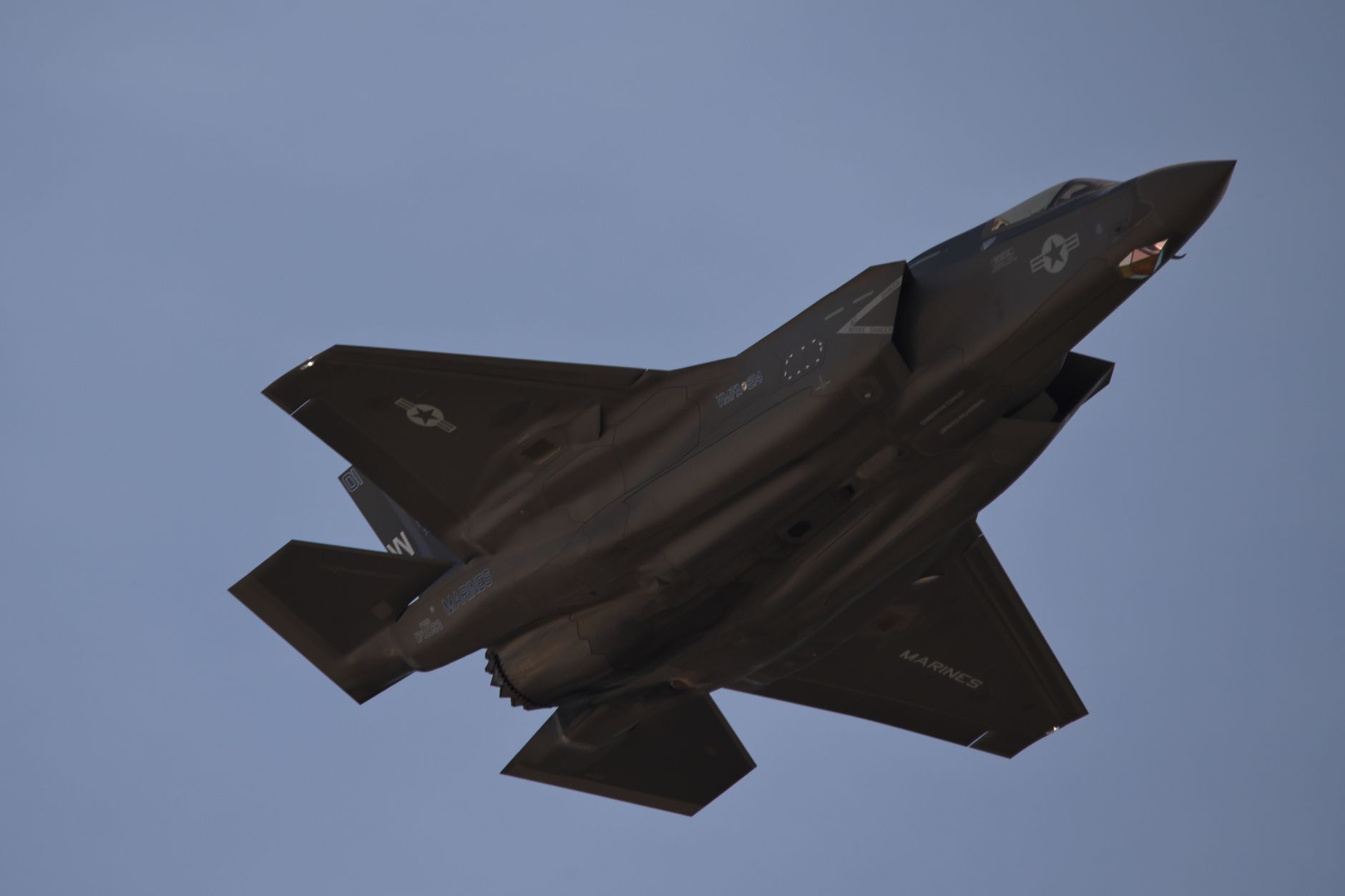
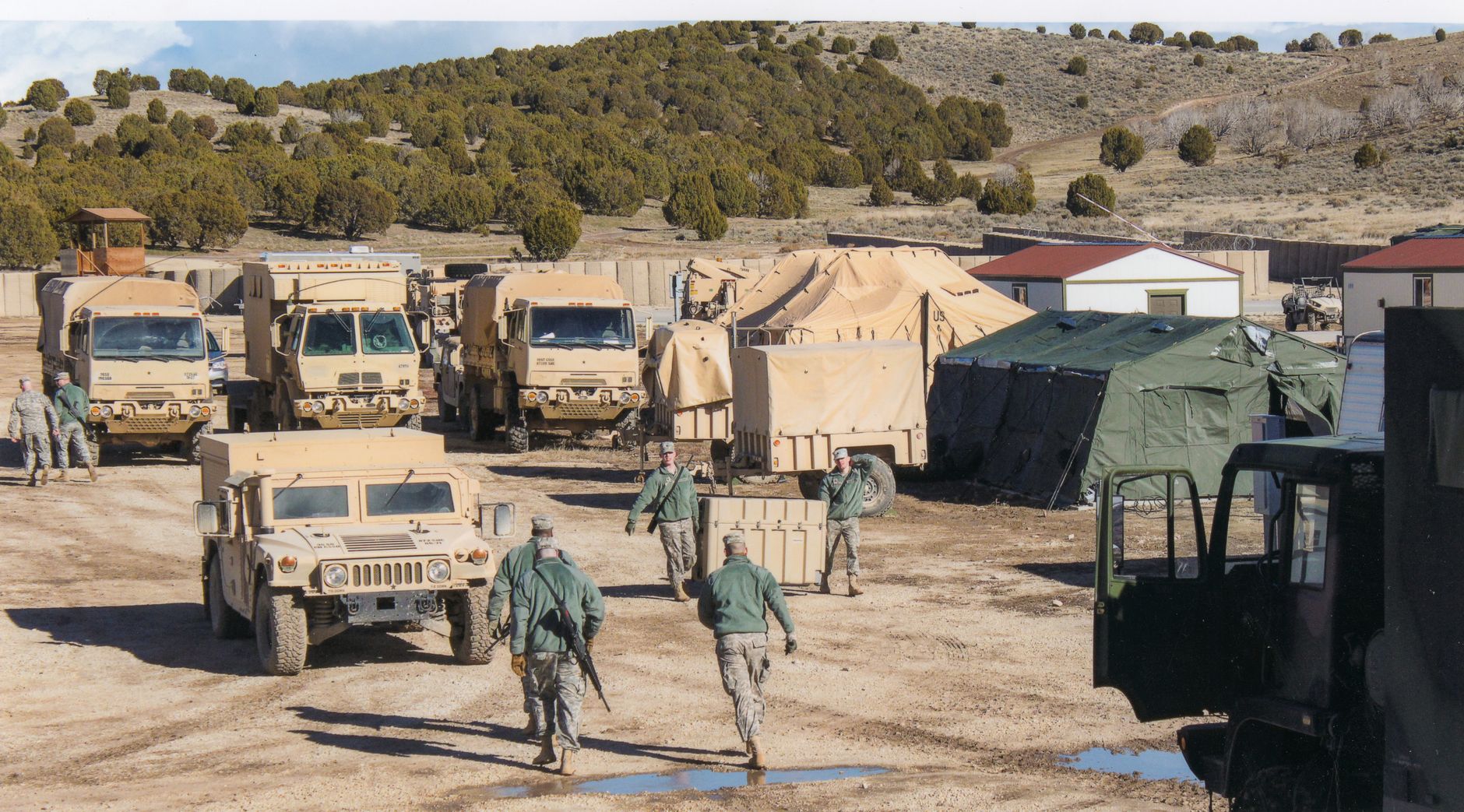
The decision to formally examine Europe’s force posture reflects a longstanding tension within the alliance: the United States has maintained tens of thousands of troops on the continent — a presence that expanded sharply after Russia’s 2022 invasion of Ukraine — while simultaneously pushing NATO members to increase their own defense spending toward and beyond the alliance’s two-percent-of-GDP benchmark. Several European governments have since accelerated defense investment, but Washington has made clear that increased allied capability must eventually translate into reduced American burden-sharing, not simply larger collective forces.
Colby, who has been a consistent advocate for reorienting American strategic priorities toward the Indo-Pacific, has argued that Europe is increasingly capable of managing its own deterrence and that U.S. resources must be allocated with harder choices in mind. The review appears to operationalize that argument within the formal policy process. Officials have not confirmed what recommendations the assessment might produce or when it is expected to conclude.
Allied Concerns and the Broader Posture Debate
European governments are watching the review closely. Any reduction in American troop presence — or even a credible signal that one is being considered — carries significant deterrence implications, particularly for NATO’s eastern flank countries that border Russia or have historically relied on forward-deployed U.S. forces as a tripwire guarantee. Officials in those countries have not publicly commented on the review’s initiation, and the Pentagon has not characterized what consultation, if any, has taken place with allied governments.
The review also lands against a complicated diplomatic backdrop. Separately, Greenland tensions between Washington and Copenhagen have strained one of NATO’s key northern relationships, complicating the broader picture of transatlantic trust at a moment when allied confidence in American commitments is already being tested. Whether the force posture review is formally linked to any of these political dynamics, or is proceeding as a purely operational and resource-driven assessment, has not been confirmed by Pentagon officials. The symbolic weight of the American commitment to European security — rooted in decades of shared history — makes any adjustment to that presence a politically charged undertaking regardless of its operational rationale.
Military Times, which first reported the review’s initiation, noted that the assessment has “kicked off” but provided limited detail about its scope or the officials leading it beyond Colby’s public disclosure. Further details are expected as the review progresses through the policy process.