UNESCO Grants World Heritage Status to Normandy’s D-Day Landing Sites
UNESCO has designated the D-Day landing beaches of Normandy as World Heritage Sites, preserving the battlegrounds of the 1944 Allied invasion.

The beaches of Normandy where Allied forces stormed ashore on June 6, 1944, have been inscribed on UNESCO’s World Heritage List, securing international recognition for one of the most consequential military operations in modern history. The designation places the D-Day landing sites alongside some of the world’s most significant cultural and natural landmarks, a milestone that historians and preservation advocates have pursued for years. Military Times reported the listing as the decision was formalized. For readers tracking how democratic nations commemorate and institutionalize their military heritage, the move carries weight beyond ceremony — it shapes how the sites are funded, protected, and presented to future generations, much as allied cooperation itself has evolved, as seen in exercises like the REFORPAC expansion linking modern multinational deterrence back to wartime partnerships.
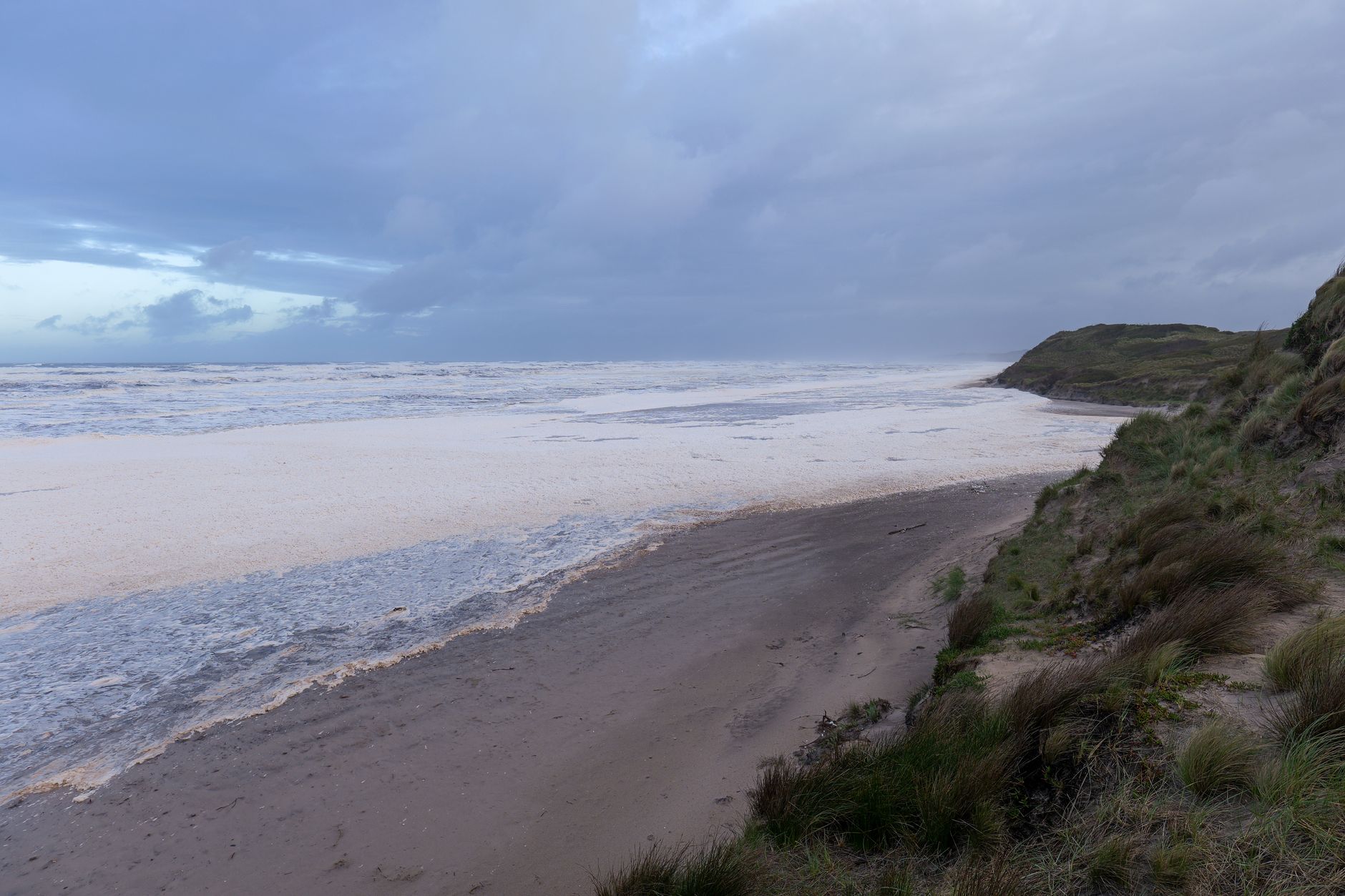
According to the Associated Press, France’s D-Day beaches were added to the list alongside Greece’s Mount Olympus and Japan’s ancient capitals in the same session of UNESCO’s World Heritage Committee. The AP report noted that the Normandy designation covers the network of landing zones, coastal fortifications, and associated memorial infrastructure that together form the physical record of Operation Overlord. UNESCO has not published a single consolidated figure for the total area inscribed, but the listing encompasses the breadth of the assault corridor stretching across the French coastline where American, British, Canadian, and other Allied troops came ashore in the summer of 1944.
Strategic and Preservation Significance
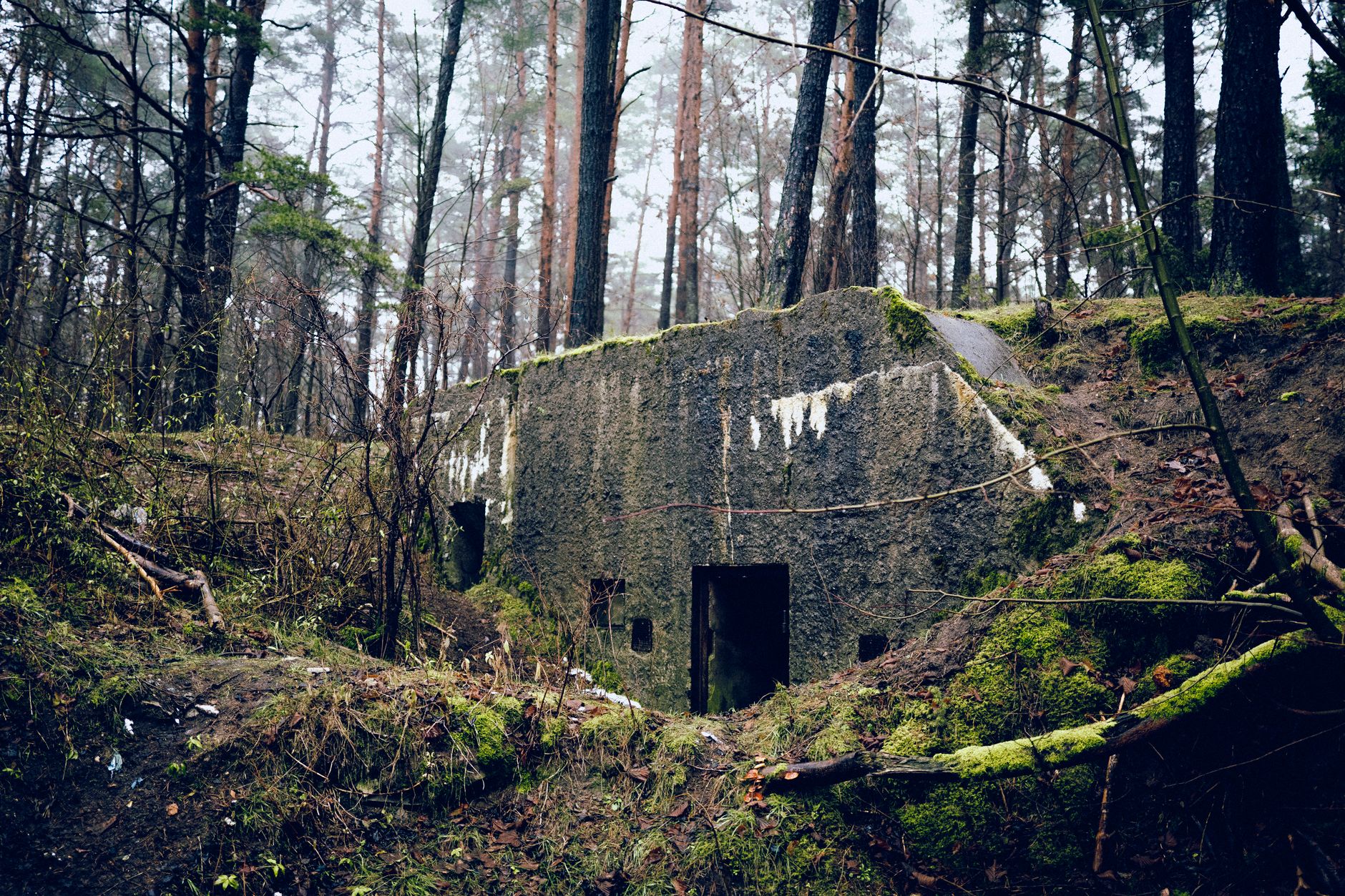
World Heritage status carries concrete consequences for site management. Inscribed properties receive access to UNESCO’s international assistance mechanisms and are subject to periodic monitoring to ensure their integrity is maintained. For the Normandy beaches, that means the bunkers, memorials, military cemeteries, and the coastal landscape itself fall under a framework designed to prevent degradation — whether from erosion, commercial development, or inadequate maintenance funding. French authorities had championed the nomination as a way to formalize obligations that have largely been met through national commitment and bilateral agreements with the United States and other Allied nations, but which now carry the weight of international treaty obligations.
The sites have drawn millions of visitors annually for decades, and the anniversary commemorations — particularly the major milestone events — routinely bring heads of state and senior military officials to the French coast. World Heritage designation does not alter the ownership or day-to-day administration of the beaches, which remain under French jurisdiction, but it elevates their profile in international diplomatic and cultural contexts. Officials have not confirmed whether the designation is expected to unlock specific funding tranches or infrastructure improvements in the near term, but the inscription positions France to seek international contributions toward long-term conservation efforts.
Historical Weight of the Designation
Operation Overlord remains the largest amphibious assault in recorded military history. The beaches — designated in Allied planning as Utah, Omaha, Gold, Juno, and Sword — were the entry points for a campaign that ultimately broke the Wehrmacht’s hold on Western Europe. The human cost was enormous; specific casualty figures from the single day of June 6 vary by source and methodology, and UNESCO’s designation documents focus on the cultural and historical significance of the landscape rather than adjudicating those counts. What the inscription affirms is that the physical terrain where that history unfolded warrants the same level of international protection accorded to ancient temples or natural wonders.
For defense historians and policymakers, the UNESCO action is a reminder that the infrastructure of collective memory is itself a dimension of the Western alliance’s identity. The Normandy sites are not passive monuments; they are active sites of military education, diplomatic ritual, and strategic communication — places where the logic of allied commitment is rehearsed and reinforced for each new generation of leaders and soldiers. Preserving their integrity through an internationally binding framework ensures that the argument those beaches make about the cost and value of collective defense remains legible long after the last veterans have passed.