Air Force Brings Collaborative Combat Aircraft to Creech for First Operational Exercise
The Air Force moved Collaborative Combat Aircraft to Creech AFB for a major exercise, testing autonomy alongside crewed platforms.
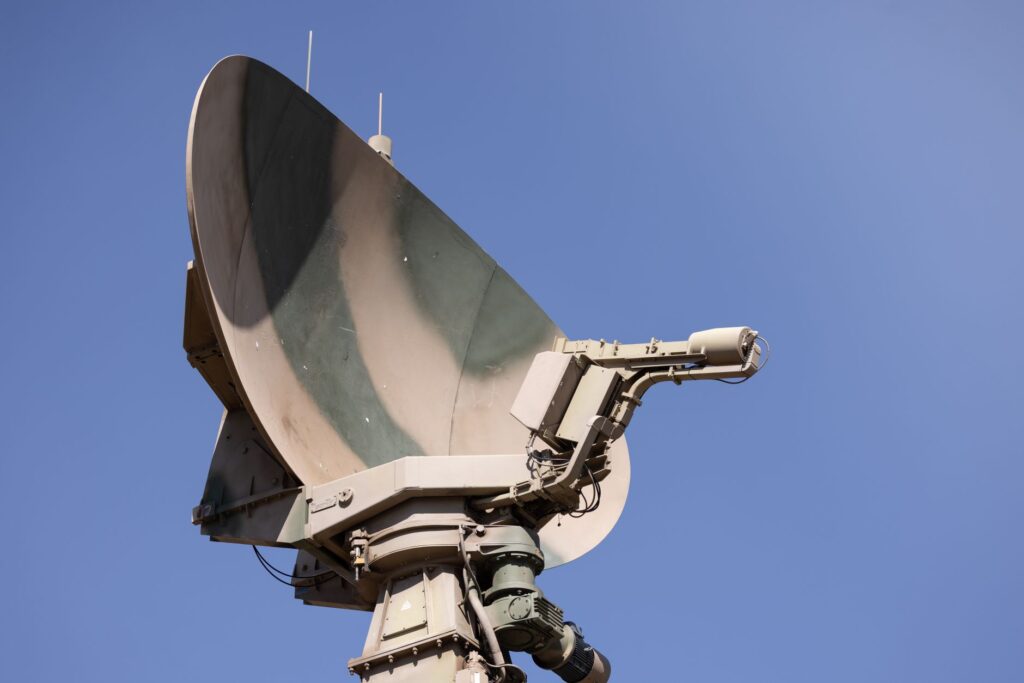
The U.S. Air Force has deployed Collaborative Combat Aircraft — the autonomous drone wingmen the service is developing to fly alongside crewed fighters — to Creech Air Force Base in Nevada for a dedicated exercise, marking a notable step in integrating the emerging platforms into operational training environments. Air and Space Forces Magazine reported the exercise, describing Creech as the Air Force’s primary hub for remotely piloted aircraft operations, making it a logical but symbolically significant venue for the CCA program’s growing footprint. The move underscores how seriously the service is treating the transition from development to operational concept, even as the aircraft remain in early testing phases. For readers tracking how autonomous systems are reshaping force structure, the AI task force offers parallel context on how the Pentagon is institutionalizing autonomous and AI-driven capabilities across commands.
Creech as the Setting for a New Kind of Drone Mission
Creech AFB has long served as the operational nerve center for the Air Force’s remotely piloted aircraft fleet, hosting units that fly MQ-9 Reapers in support of combatant commands worldwide. Bringing CCAs to that base for an exercise is not incidental. It signals the Air Force’s intent to eventually fold these autonomous platforms into the same institutional and operational fabric that sustains its existing drone enterprise, rather than treating them as a purely experimental curiosity confined to test ranges.
The exercise, as described by Air and Space Forces Magazine, brought together CCAs with the broader goal of exploring how the autonomous aircraft operate in a structured training context. Officials have not publicly confirmed the specific CCA variants involved, the number of aircraft, or detailed scenario parameters, keeping much of the operational texture classified or otherwise undisclosed. What the service has made clear is that this kind of activity represents progress toward proving out the human-machine teaming concepts that underpin the entire CCA program.
What the CCA Program Is Trying to Prove
The Collaborative Combat Aircraft program envisions autonomous or semi-autonomous drones flying in coordinated formations with crewed aircraft such as the F-22 and F-35, absorbing risk, extending sensor reach, and multiplying the effective combat mass a flight of manned fighters can bring to bear. The Air Force has been working with multiple industry contractors to develop candidate platforms, with the program structured around delivering affordable, attritable systems that do not carry the price tags of crewed fifth-generation fighters.
Exercises at an operationally mature installation like Creech allow the service to stress-test not just the aircraft and their autonomy software, but the command-and-control architectures, communication links, and procedural frameworks that human operators and commanders would actually use. Getting those elements right is widely regarded within the service as the harder problem — not the airframe itself, but the doctrinal and technical infrastructure that makes autonomous teaming viable at operational tempo. The Air Force has not released metrics or assessments from this specific exercise, and officials have not confirmed a timeline for transitioning CCA platforms from exercises into formal operational squadrons.
Broader Implications for Autonomous Airpower Development
The Creech exercise fits into a sustained push by Air Force leadership to accelerate CCA development and move the program from laboratory demonstration toward something resembling operational employment. Senior Air Force officials have consistently framed CCAs as central to the service’s future force design, particularly in the context of high-end competition with China, where the ability to generate mass in a contested airspace without proportionally increasing aircrew risk is seen as a strategic requirement.
How quickly the program matures will depend on factors that remain unresolved, including funding profiles, contractor performance, and the outcome of ongoing developmental testing. Exercises like the one at Creech are how the Air Force builds the empirical foundation — operational data, lessons learned, and doctrinal refinements — that those decisions will eventually rest on. The service has not announced a follow-on exercise schedule or indicated which installations might host future CCA events beyond what Air and Space Forces Magazine reported from this event.