Fort Bliss Opens 3D-Printed Housing Blocks for 101st Airborne Soldiers on Southern Border Mission
Soldiers from the 101st Airborne Division will be housed in 3D-printed barracks at Fort Bliss during the southern border deployment.
Soldiers from the 101st Airborne Division deployed to the southern border will be housed in newly completed 3D-printed barracks at Fort Bliss, Texas, according to Task and Purpose, which first reported on the facility’s opening. The structures mark one of the more visible applications of additive construction technology in active U.S. military housing, arriving as the Army manages a significant surge in force posture requirements tied to domestic border security operations.
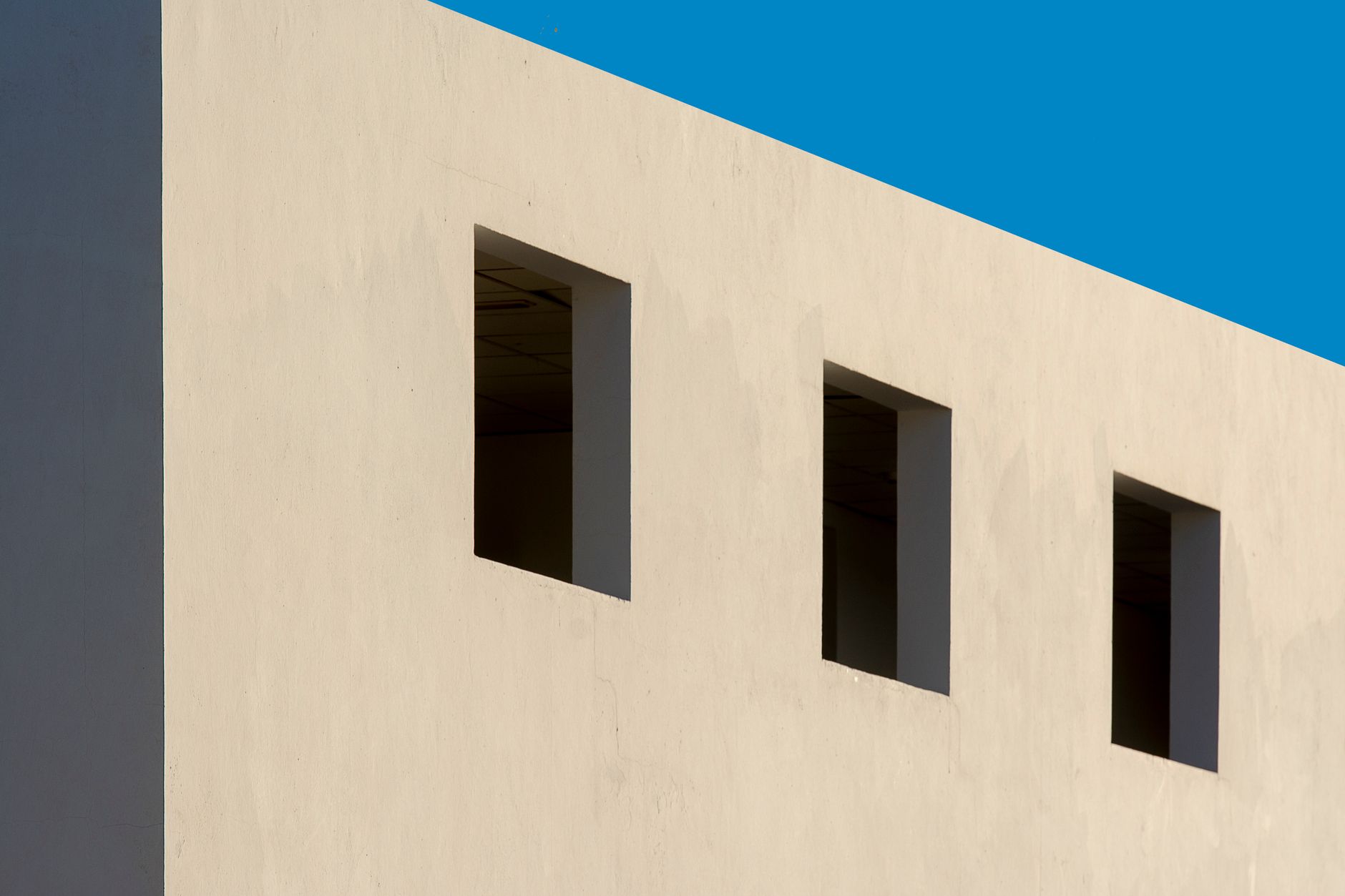
The barracks were built using large-scale 3D printing construction methods and are intended to provide semi-permanent accommodations for troops operating in support of border enforcement missions. Fort Bliss, located in El Paso, sits near one of the busiest stretches of the U.S.-Mexico border, making it a logical staging installation for personnel assigned to Operation Southern Border or related efforts.
Additive Construction Moves From Pilot to Operational Use
The Army has experimented with 3D-printed construction in various contexts over recent years, but deploying the technology to house a division-level element during an active operational mission represents a meaningful step toward operational integration. Additive construction can reduce both build time and labor costs compared to conventional building methods, and the relative speed of fabrication is particularly relevant when the military needs to expand basing capacity quickly in response to shifting mission requirements.
Task and Purpose reported that the structures at Fort Bliss are now open and receiving soldiers. Officials have not publicly detailed the total square footage of the completed units, the number of soldiers the facility can accommodate simultaneously, or the specific contractor responsible for printing the structures. The publication did not provide a cost figure for the project.
Border Deployment Pressures Drive Infrastructure Demand
The 101st Airborne Division, based at Fort Campbell, Kentucky, is among the Army units that have been directed to support border operations under the current administration’s expanded use of active-duty military personnel along the southern frontier. Sustaining that presence requires adequate housing infrastructure at installations near the border, and Fort Bliss has emerged as a key reception and staging hub.
The decision to use 3D-printed barracks rather than conventional modular or tent-based accommodations signals a preference for more durable, livable facilities over expedient temporary solutions — a consideration that matters for troop welfare over extended deployments. It also reflects broader Army investment in construction technology as a potential tool for rapid base expansion in austere or time-constrained environments, a capability with implications that extend well beyond domestic missions. As the Pentagon continues assessing its global deployment footprint, the ability to rapidly establish quality infrastructure at home and abroad is drawing increased institutional attention.
How long the 101st Airborne element will remain at Fort Bliss, and whether the 3D-printed barracks will be retained for future units rotating through, has not been confirmed by Army officials.