Pentagon Ends Mandatory Flu Shots for Troops
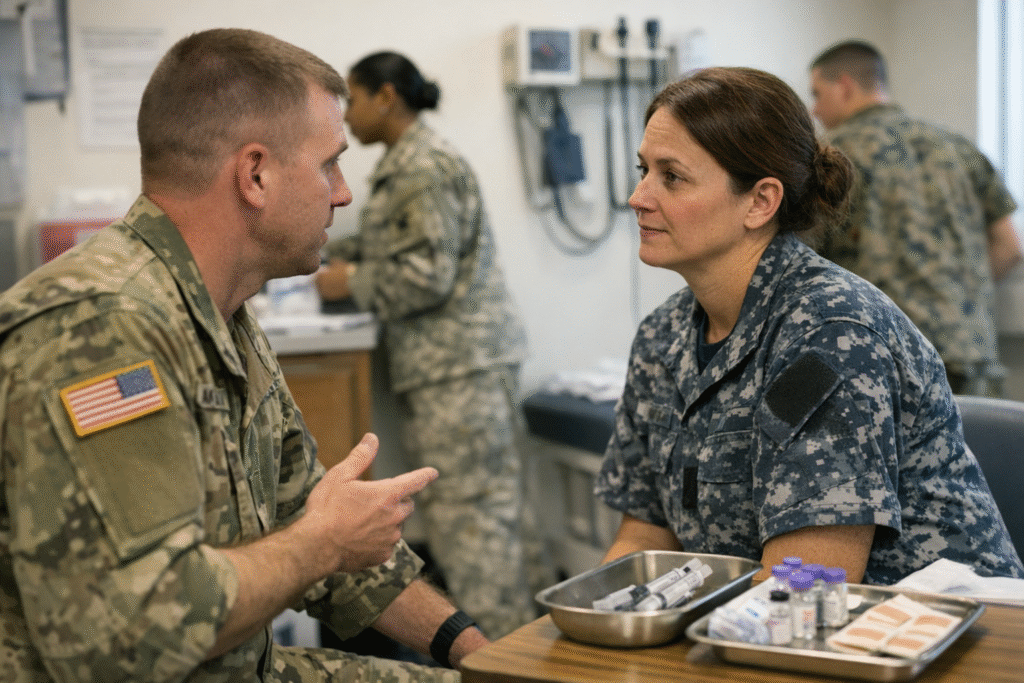
The Pentagon has ended its requirement that service members receive annual influenza vaccinations, a policy shift announced as taking effect immediately, according to a report by Military Times titled “Flu vaccine requirement discarded, effective immediately, Hegseth says.”
Defense officials said the decision was directed by Defense Secretary Pete Hegseth, who framed the move as part of a broader reassessment of medical readiness policies across the armed forces. In statements reported by Military Times, Hegseth indicated that the change reflects a move toward granting service members greater discretion over routine medical decisions, while maintaining the military’s overall focus on deployability and force health protection.
For years, the influenza vaccine has been a standard requirement for active-duty personnel, with military leaders emphasizing its role in preserving operational readiness, particularly in close-quarter environments such as ships, barracks, and forward operating bases. Health officials have historically warned that seasonal outbreaks can spread rapidly among units and disrupt missions.
The abrupt rollback raises questions about how commanders will manage outbreaks going forward and whether alternative guidance will be issued. Military Times reported that officials did not immediately outline a replacement policy, leaving some uncertainty about expectations for units during the upcoming flu season.
Public health experts have long regarded vaccination as one of the most effective tools for limiting the spread and severity of influenza, especially in populations with high levels of close contact. Within the military, compliance rates have typically been high under mandatory policies.
It remains unclear whether the decision will affect other vaccine requirements or if it signals a narrower shift limited to influenza. Pentagon officials have suggested that service-specific guidance may follow, potentially allowing commanders some flexibility in responding to localized health risks.
As reported by Military Times, the announcement has prompted mixed reactions, with some welcoming the emphasis on personal choice and others expressing concern about the potential impact on readiness and force health.