Strait of Hormuz Tensions Surge After Ship Attacks
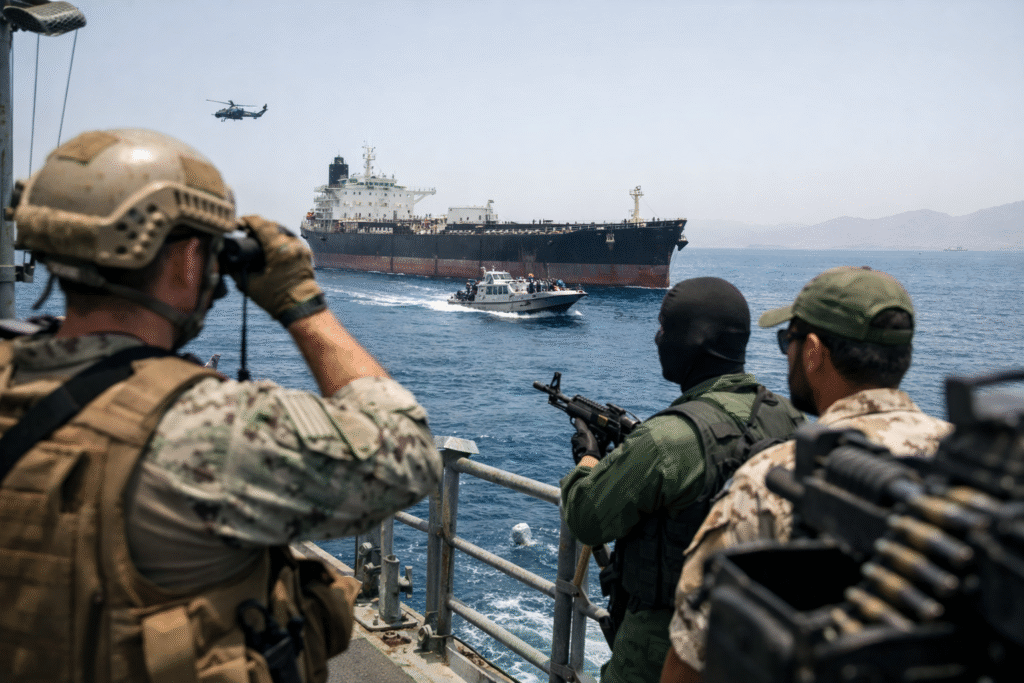
Reports of renewed instability in the Strait of Hormuz have raised alarms across global shipping and defense communities, following claims that commercial vessels were struck by gunfire amid escalating tensions involving Iran. According to a report published by Military Times titled “Vessels report being hit by gunfire as Iran says Strait of Hormuz shut again,” multiple ships operating in the strategic waterway signaled distress after coming under apparent attack, as Tehran simultaneously asserted control over the chokepoint.
The Strait of Hormuz, through which roughly a fifth of the world’s oil supply passes, has long been a flashpoint for geopolitical confrontation. The latest developments suggest a sharp deterioration in maritime security conditions, with industry tracking services and regional authorities indicating that at least several vessels experienced hostile engagement. While details remain limited and independently unverified, initial accounts point to gunfire rather than missile strikes, raising questions about the actors involved and the rules of engagement currently being applied in the area.
Iranian officials were reported to have declared the strait effectively closed, a claim that has not been formally recognized by international maritime authorities but nonetheless carries significant implications. Even the perception of a shutdown can disrupt shipping traffic, drive up insurance costs, and trigger volatility in global energy markets. Previous Iranian threats to close the strait have often been tied to broader disputes with the United States and its allies, particularly over economic sanctions and regional military presence.
U.S. defense officials have not confirmed a closure of the waterway but are closely monitoring the situation. The U.S. Navy, which maintains a substantial presence in the region to ensure freedom of navigation, has not publicly detailed any direct response to the reported incidents. However, past confrontations in the area have prompted rapid deployments and coordinated operations with allied forces to secure commercial shipping lanes.
The reported attacks come at a time of heightened regional tension, with overlapping conflicts and fragile diplomatic efforts contributing to an increasingly volatile security environment. Analysts note that even limited engagements at sea can quickly escalate, especially in a congested and strategically vital corridor like the Strait of Hormuz.
Shipping companies have begun reassessing transit routes and risk exposure, with some operators reportedly delaying voyages or rerouting where feasible. Maritime insurers are also expected to review premiums for vessels operating in the Gulf, a move that could further strain global supply chains already under pressure from geopolitical uncertainty.
While the full scope and attribution of the reported gunfire incidents remain unclear, the convergence of armed activity and political declarations underscores the fragile balance in one of the world’s most critical maritime corridors. As governments and industry stakeholders await further verification and guidance, the situation underscores the persistent vulnerability of global التجارة and energy flows to regional conflict dynamics.