Israel Targets 37 Crypto Wallets Linked to IRGC in Crackdown on Digital Terror Financing
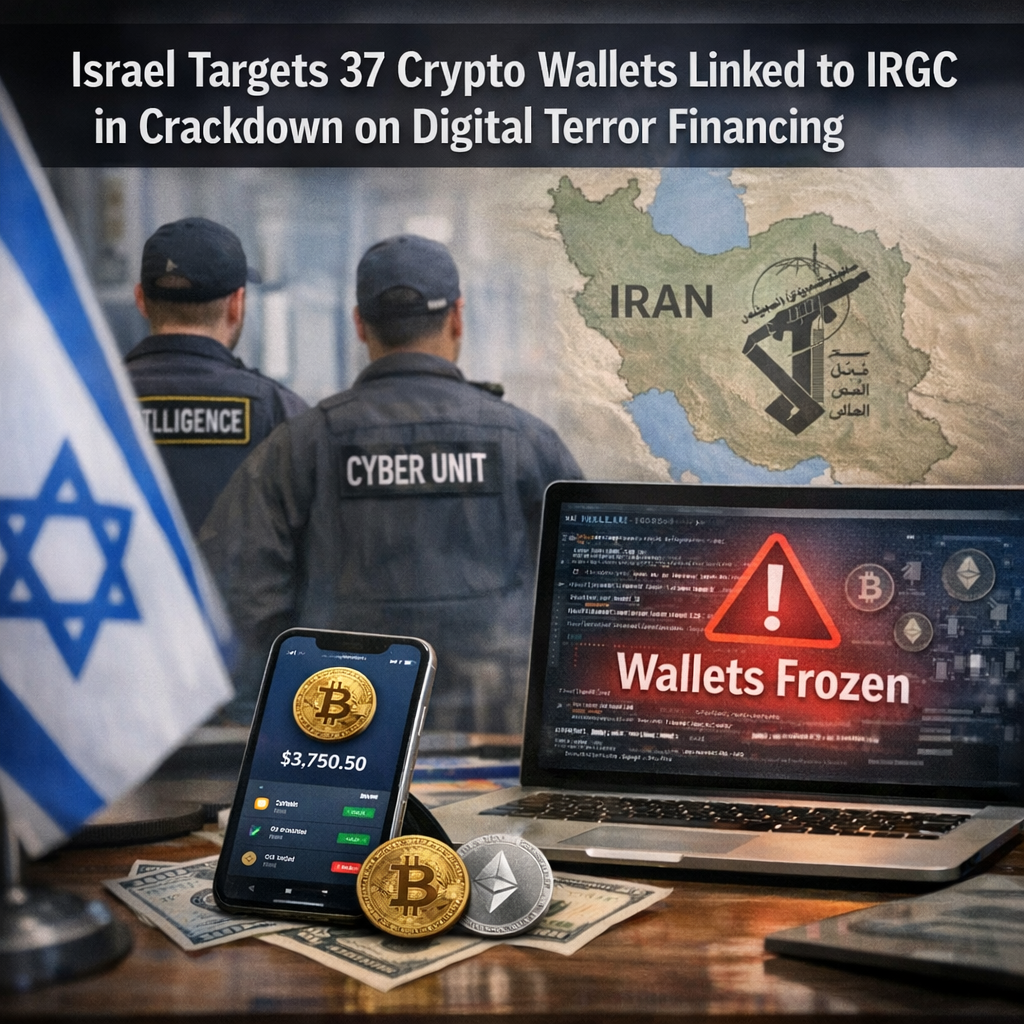
Israel has imposed sanctions on 37 cryptocurrency wallets allegedly linked to Iran’s Islamic Revolutionary Guard Corps (IRGC), intensifying efforts to disrupt digital channels used for terrorist financing. The move, reported in the article Israel sanctions 37 crypto wallets tied to Iran’s Revolutionary Guards terror financing published by i24NEWS, reflects a growing focus among security agencies on the role of decentralized finance in facilitating covert financial networks.
According to Israeli authorities, the targeted wallets are believed to have been used to funnel funds to groups aligned with or supported by the IRGC, which Israel, the United States, and several other countries designate as a terrorist organization. The U.S. Treasury’s designation of the IRGC underscores the international consensus on its role. Officials say the sanctions are part of a broader strategy aimed at curbing Iran’s ability to circumvent traditional financial restrictions through emerging technologies.
The development highlights the evolving nature of financial warfare, as state and non-state actors increasingly turn to cryptocurrencies to obscure transactions and evade scrutiny. Israeli officials cited intelligence indicating that digital wallets have been integrated into a wider network used to transfer funds across borders with limited traceability, posing significant challenges to enforcement agencies. According to Chainalysis reports on crypto crime, illicit actors have become increasingly sophisticated in exploiting blockchain tools.
By publicly identifying and sanctioning these wallets, Israel aims not only to freeze associated assets but also to signal to global crypto platforms and financial intermediaries the importance of vigilance and compliance. Authorities are urging exchanges and service providers to enhance monitoring mechanisms to prevent illicit use of their systems, aligning with guidance from the Financial Action Task Force on virtual assets.
The move comes amid broader international concerns about the exploitation of cryptocurrencies for illicit purposes, including terrorism financing, sanctions evasion, and money laundering. Governments worldwide have been grappling with how to regulate the largely decentralized ecosystem without stifling innovation, as outlined in analyses by the International Monetary Fund on crypto regulation.
Security analysts note that while blockchain technology offers transparency through its public ledger, sophisticated actors have developed methods to obscure transaction trails, including the use of mixers, decentralized exchanges, and layered wallet structures. These tactics complicate efforts to track funds and attribute them to specific organizations, a challenge explored in detail by Europol’s research on cryptocurrencies and criminal finance.
Israel’s action underscores its ongoing campaign against Iran’s regional influence and its financial infrastructure. By targeting digital assets, authorities are expanding beyond traditional banking restrictions to address what they view as a critical vulnerability in global enforcement regimes.
The sanctions may also have diplomatic implications, as they reinforce calls for greater international coordination in regulating digital currencies and preventing their misuse. Israeli officials have indicated that cooperation with allies will be essential to ensuring that sanctioned entities cannot simply migrate their activities to less regulated jurisdictions.
As cryptocurrencies continue to gain mainstream adoption, the balance between technological innovation and security concerns remains a central challenge. The latest sanctions illustrate how governments are adapting to that reality, seeking new tools to counter threats that increasingly operate in the digital domain.