Iran Warning Raises Fears for Public Spaces Worldwide
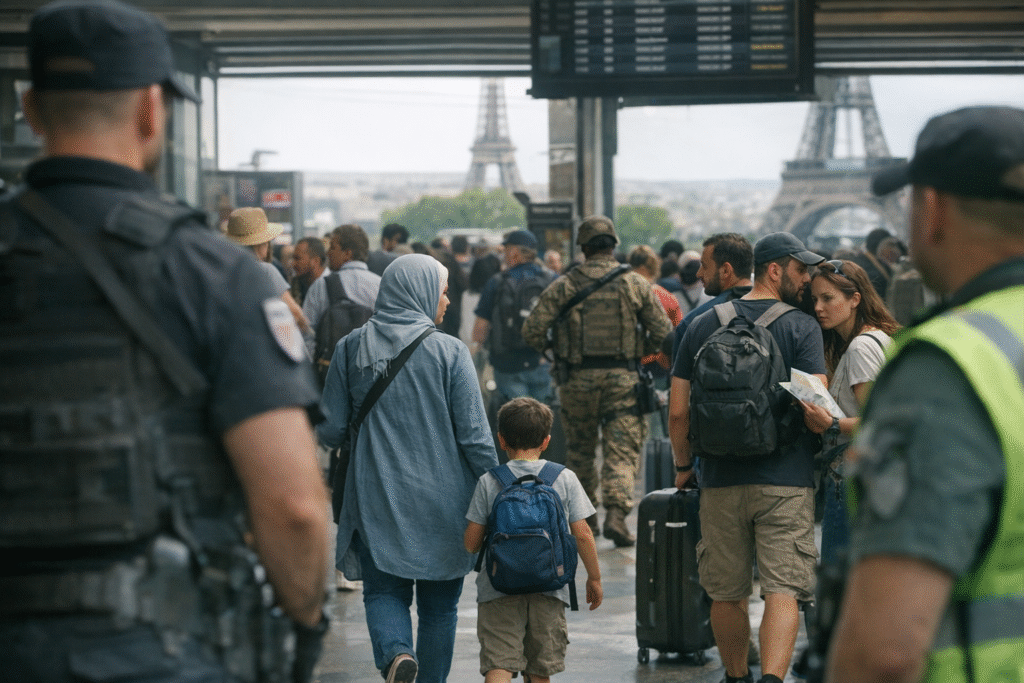
An Iranian official has issued a stark warning that Western public spaces, including parks, tourist attractions, and recreational venues, could face potential attacks, according to a report published by the Washington Free Beacon titled “Iranian Official Threatens Attacks on Parks, Recreational Areas, and Tourist Destinations Worldwide.”
The report describes comments attributed to a senior Iranian figure suggesting that, in the context of escalating geopolitical tensions, civilians frequenting high-visibility leisure sites could become targets. While the remarks did not outline specific operational plans or timelines, the rhetoric reflects a widening scope of threats that extend beyond traditional military or governmental objectives.
Security analysts note that such statements, whether intended as deterrence, propaganda, or genuine signaling, are taken seriously by Western intelligence agencies. Public gathering spaces have long been recognized as “soft targets” due to their accessibility and limited security screening, making them particularly vulnerable in asymmetric conflict scenarios.
The warning comes amid heightened strain between Iran and Western countries, with ongoing disputes over regional security, sanctions, and military posture. Experts say that even vague threats can have practical consequences, prompting governments to reassess risk levels and, in some cases, increase surveillance or security presence at major tourist destinations and public venues.
Officials in several countries have not publicly confirmed any immediate change in threat levels linked specifically to the statements cited in the Washington Free Beacon report. However, counterterrorism professionals emphasize that rhetoric targeting civilian sites can contribute to a broader climate of concern, especially during periods of diplomatic confrontation.
The targeting of recreational and tourism locations represents a shift from more conventional threats aimed at state infrastructure or military assets. Such a shift, if realized, would align with past patterns seen in global terrorism, where attackers have sought to maximize psychological impact by striking locations associated with everyday life and leisure.
While it remains unclear whether the remarks signal a concrete operational intent or are primarily rhetorical, analysts caution that even indirect threats can inspire affiliated actors or individuals. Intelligence agencies typically assess such statements within a broader context, weighing credibility, capability, and intent.
For now, governments are expected to continue monitoring the situation closely, balancing public awareness with efforts to avoid unnecessary alarm. The Washington Free Beacon report has added to a growing body of commentary highlighting the evolving nature of security risks tied to international tensions involving Iran.