Inside the Shadow Economy of Residential Proxies
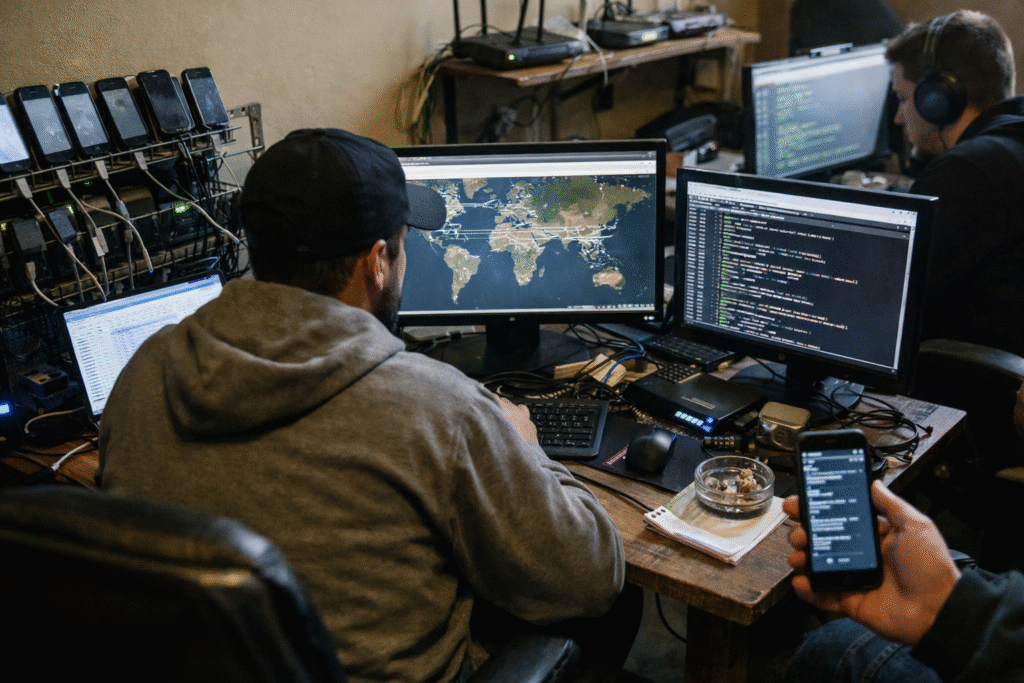
A new investigation into cybercrime infrastructure is shedding light on how a little-known figure helped build and exploit one of the internet’s more insidious tools: residential proxy networks. According to The Wall Street Journal’s report, “The ‘Kimwolf’ Hack: How One Coder Helped Fuel a Shadowy Internet Industry,” the activities of a programmer known online as Kim “Wolf” reveal how seemingly ordinary devices have been weaponized into a global system that enables fraud, data scraping, and anonymity at scale.
Residential proxy networks route internet traffic through real household devices, masking a user’s identity behind legitimate IP addresses. Unlike traditional proxies tied to data centers, these networks are far harder to detect or block, making them valuable for a range of actors—from corporations engaged in aggressive data collection to cybercriminals conducting scams or credential-stuffing attacks.
The Journal’s reporting traces Kim Wolf’s role in developing and promoting software that turns personal computers and other connected devices into nodes within these networks, often without users’ clear understanding. By embedding proxy capabilities into free software or bundled applications, operators can quietly recruit large numbers of devices, creating distributed systems that can be rented out to clients seeking anonymity or geographic flexibility online.
This model has fueled a booming underground economy, where access to residential IP addresses is bought and sold for purposes that range from relatively benign web scraping to more illicit activities, including account takeovers, ticket scalping, and financial fraud. Investigators and cybersecurity experts cited in the report warn that the scale and accessibility of these networks have lowered the barrier to entry for online crime.
The article also highlights the ambiguous legal and ethical terrain surrounding residential proxies. While some companies market such services as legitimate tools for market research or ad verification, the same infrastructure can be repurposed for abuse. Users whose devices are enlisted may experience degraded performance, increased security risks, or potential legal exposure, often without realizing how their internet connection is being used.
Authorities have begun to take a closer look at the ecosystem. The Wall Street Journal reports that law enforcement agencies and cybersecurity firms are increasingly focusing on individuals and companies that facilitate the creation and operation of these networks. However, enforcement remains challenging due to the global, decentralized nature of the systems and the difficulty of proving intent or awareness among participants.
The case of Kim Wolf underscores how a single developer’s tools can scale into a widespread phenomenon with significant economic and security implications. As regulators and investigators grapple with how to address the rise of residential proxy networks, the story illustrates a broader tension in the digital economy: technologies designed for openness and efficiency can be repurposed in ways that outpace oversight, blurring the line between innovation and exploitation.