Air Force Medical Commander Removed from Virginia Base Amid Loss of Confidence Concerns
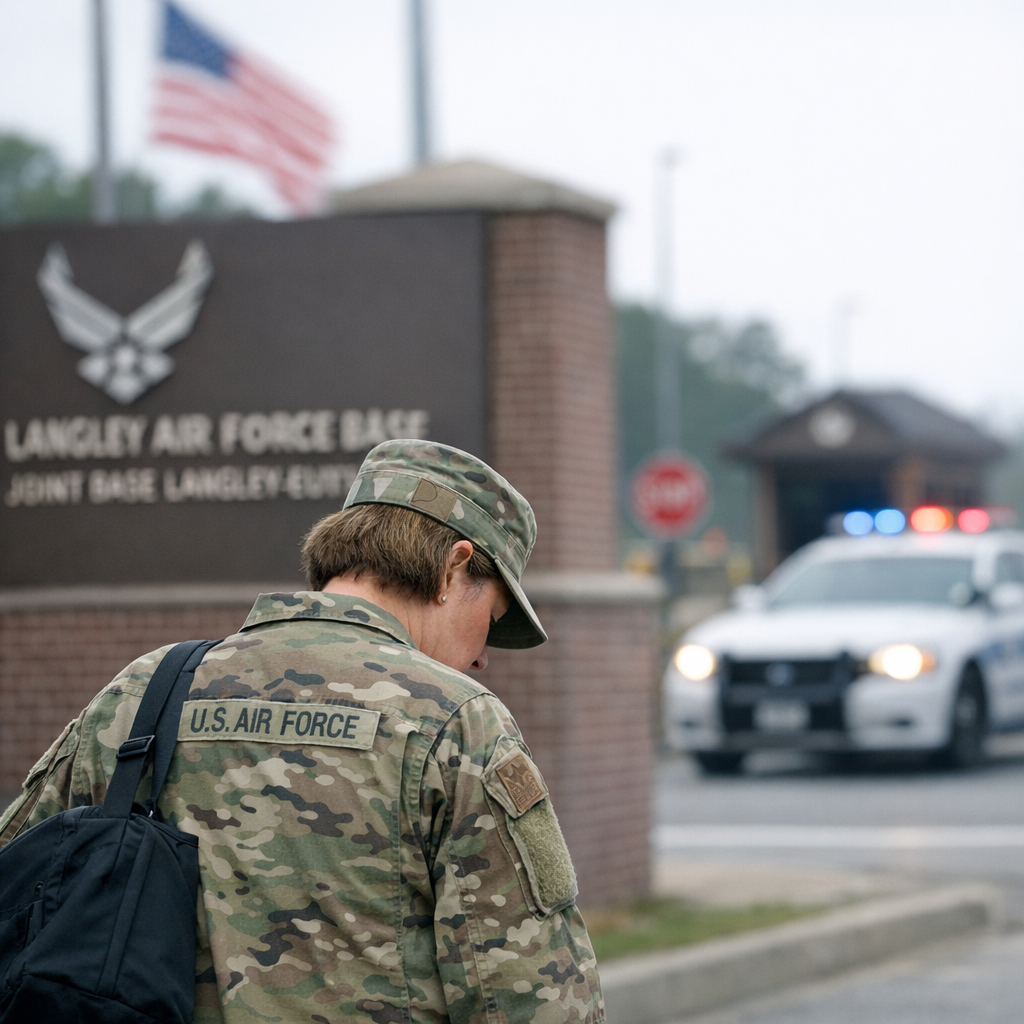
An Air Force medical leader at a major installation in Virginia has been relieved of duty, according to a report by Military Times, raising renewed questions about oversight and accountability within the military health system.
The report, titled “Air Force medical commander removed from post at Virginia base,” states that the commander overseeing medical operations at Joint Base Langley-Eustis was removed from their position in late June. Air Force officials confirmed the change in leadership but provided limited detail about the circumstances, describing the move as a “loss of confidence” in the officer’s ability to lead.
Such phrasing is commonly used by the Department of Defense to signal serious concerns about performance or conduct without disclosing specific allegations. Officials declined to say whether the removal was tied to an ongoing investigation, administrative issues, or concerns about patient care.
Leadership turnover at military medical facilities can have wide-ranging implications, particularly at installations like Joint Base Langley-Eustis, which supports a large population of active-duty service members, dependents, and retirees. The base plays a key role in delivering medical readiness and routine care in a region with significant military presence.
In recent years, the Defense Health Agency, which oversees military medical services, has undergone sweeping reforms aimed at standardizing care and improving efficiency across the armed forces. While those efforts have been intended to streamline operations, they have also introduced transitional challenges, including staffing shortages, restructuring of command relationships, and increased scrutiny of leadership performance.
The Military Times report notes that an interim commander has been appointed to ensure continuity of care and administrative oversight. Air Force officials indicated that patient services at the facility would continue without interruption.
Removals of senior officers for loss of confidence remain relatively rare but are not unprecedented. They often reflect internal assessments that a leader has fallen short of expectations related to command climate, operational effectiveness, or professional conduct. In the medical context, such decisions can also involve concerns about clinical governance, resource management, or compliance with standards such as those outlined by the Joint Commission.
The Air Force did not announce whether any additional disciplinary or administrative actions are pending. It is also unclear whether the former commander will be reassigned elsewhere or face further review.
The case underscores the opaque nature of personnel actions within the military, where privacy rules and institutional norms limit the amount of information released to the public. For service members and their families, however, leadership stability within medical facilities remains a critical concern, particularly as the system continues to adapt to structural reforms and evolving healthcare demands.
Further details may emerge as the Air Force completes any internal reviews associated with the leadership change.