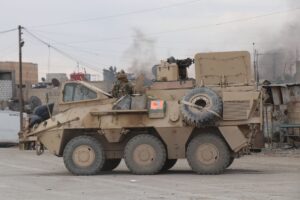
NATO Allies and Defence Industry Mobilize Massive Procurement Push to Boost Military Production and Readiness
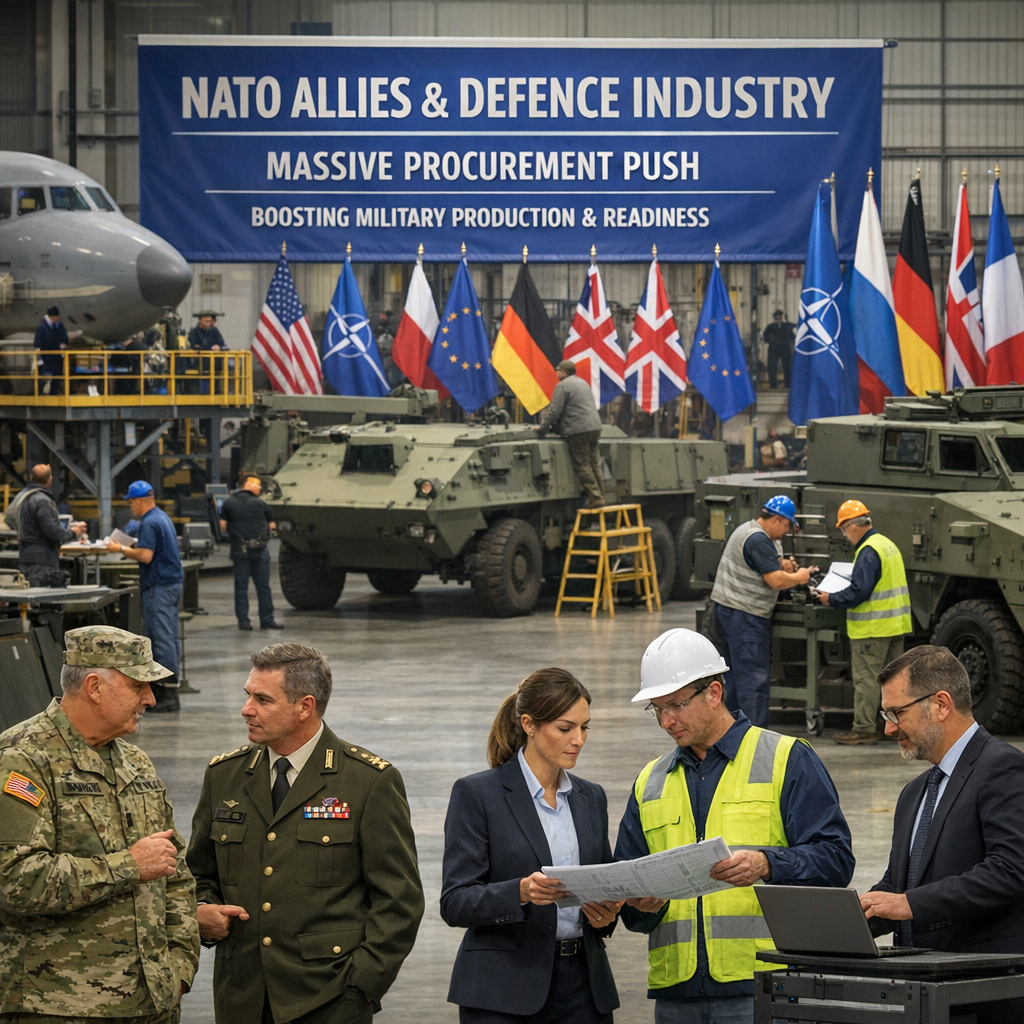
NATO allies and industry leaders unveiled tens of billions of dollars in prospective defence contracts at a summit forum in Ankara, underscoring an accelerating push to expand military production and modernize capabilities across the alliance. The developments were detailed in an article titled “Tens of billions in new procurements revealed at the NATO Summit Defence Industry Forum in Ankara,” published on NATO’s official website.
According to the report, the commitments span a wide range of systems, including air and missile defence, land forces equipment, munitions, and advanced technologies aimed at improving interoperability among allied forces. The announcements reflect growing urgency within NATO to replenish stockpiles depleted by ongoing support for Ukraine while also strengthening deterrence amid a more volatile security environment, as outlined in NATO’s assistance to Ukraine.
Senior NATO officials emphasized that the scale of the planned procurements signals a structural shift in how the alliance engages with industry. Rather than relying on fragmented national purchases, allies are increasingly coordinating their requirements to achieve faster delivery timelines and greater economies of scale. The forum in Ankara brought together government representatives, defence manufacturers, and procurement agencies to align production capacity with long-term strategic needs, reflecting broader initiatives such as the NATO Defence Production Action Plan.
The NATO article highlighted that several multinational projects are expected to move forward rapidly, with allies pooling resources to secure critical equipment such as air defence systems and precision-guided munitions. These joint efforts are intended to address longstanding shortfalls in production capacity that have been exposed by sustained high-intensity conflict on Europe’s eastern flank, a trend also analyzed by the International Institute for Strategic Studies.
Industry participants at the forum indicated that demand signals from governments have become clearer and more predictable, a factor seen as essential for scaling up manufacturing. Executives stressed that long-term contracts and coordinated procurement frameworks are crucial to justify investments in new production lines and workforce expansion, echoing findings from the European Defence Agency on collaborative defence spending.
NATO leadership also used the gathering to press for continued increases in defence spending among member states, framing industrial output as a central pillar of collective security. The alliance has repeatedly warned that existing production levels remain insufficient to meet both immediate operational requirements and future contingency planning.
The Ankara forum reflects a broader effort by NATO to integrate defence planning with industrial policy, ensuring that commitments made by governments are matched by deliverable capabilities. As outlined in the NATO website’s coverage, the newly announced procurements are intended not only to strengthen current military readiness but also to establish a more resilient and responsive defence industrial base for the years ahead.
While many of the projects remain in early stages, officials suggested that the financial scale and multinational coordination on display in Ankara mark a significant step toward addressing the alliance’s capability gaps. The coming months will be critical in determining whether these commitments translate into accelerated production and tangible increases in deployable assets across NATO forces.