L.A. Mayoral Race Turns on Crime and Homelessness
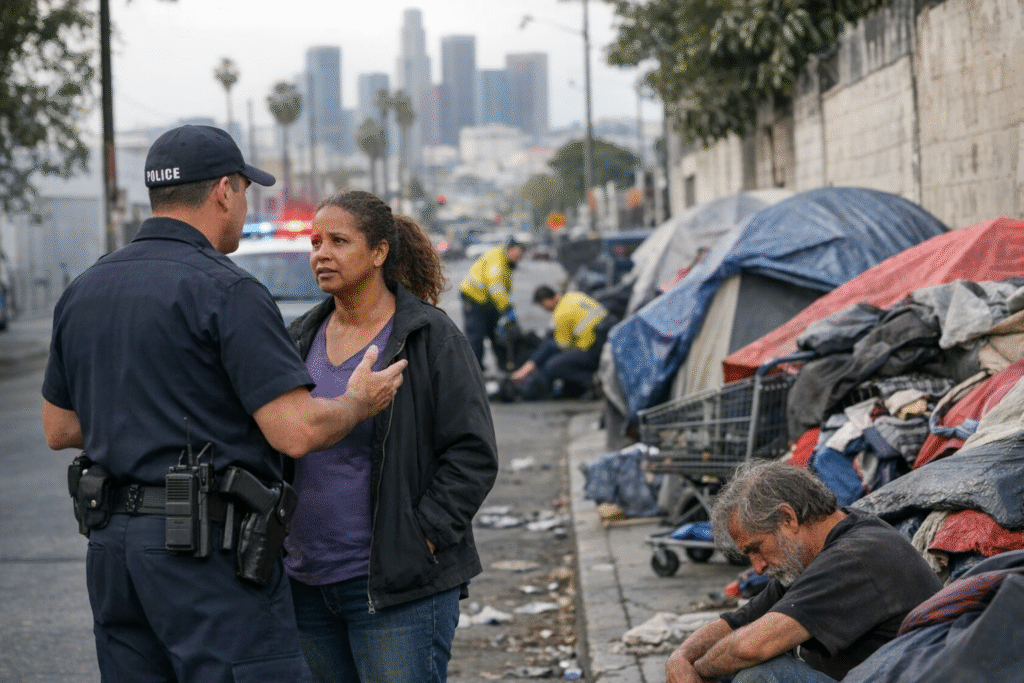
The Wall Street Journal’s video segment “WSJ Opinion: The Race for Los Angeles Mayor,” published on the Journal’s website, examines the political dynamics shaping one of the most consequential municipal contests in the United States, highlighting how crime, homelessness and governance have emerged as central themes in the campaign.
According to the Journal’s editorial discussion, the Los Angeles mayoral race reflects broader tensions in urban policy, particularly in large, Democrat-led cities grappling with public safety concerns and visible homelessness. The candidates, while differing in tone and emphasis, are responding to voter unease over deteriorating quality-of-life conditions, a factor that has reshaped campaign messaging and priorities.
The analysis underscores crime as a defining issue, with many residents expressing anxiety about rising incidents and perceived declines in policing effectiveness. The debate has extended beyond raw statistics to questions about enforcement strategies, prosecutorial discretion, and the balance between reform and deterrence. Candidates have sought to position themselves as capable of restoring order while navigating the political sensitivities surrounding law enforcement practices.
Homelessness, long a persistent challenge in Los Angeles, occupies a similarly prominent place in the race. The Journal’s discussion notes that despite substantial public spending, visible encampments remain widespread, fueling skepticism among voters about existing approaches. Proposals range from expanded shelter capacity and services to stricter enforcement of anti-camping regulations, reflecting a divide over whether the crisis is primarily humanitarian, structural, or regulatory in nature.
The video also situates the race within California’s broader political landscape, suggesting that frustration with local governance could have implications beyond Los Angeles. While the city has historically leaned heavily Democratic, the Journal’s editorial perspective points to signs of voter impatience that may create openings for candidates advocating more centrist or law-and-order-oriented platforms.
Ultimately, the Journal frames the Los Angeles mayoral contest as a referendum on urban leadership in a period of strain. The outcome, as presented in “WSJ Opinion: The Race for Los Angeles Mayor,” is likely to signal not only the direction of policy in the nation’s second-largest city but also the evolving priorities of voters confronting complex, interrelated challenges.