Rising IDF Frustration Amid War Constraints
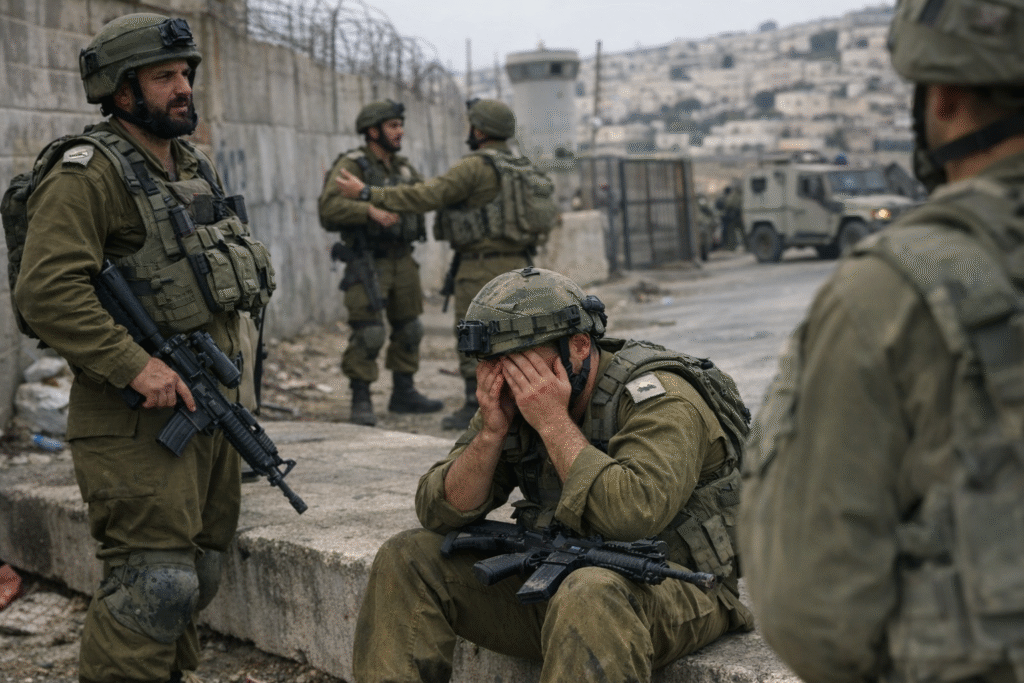
In a recent essay titled “It Is Making Our Blood Boil: An IDF…,” published on the Substack page of writer Andrew Fox, the author presents a stark and emotionally charged account of frustration within segments of Israel’s military ranks, offering a perspective on the ongoing conflict that emphasizes internal strain alongside external pressures.
Fox’s article centers on what he describes as growing anger among members of the Israel Defense Forces (IDF), particularly in relation to operational constraints and political decision-making. According to the piece, some personnel feel that tactical opportunities are being limited by strategic considerations imposed from above, contributing to a sense that battlefield realities are at times at odds with directives issued by civilian leadership.
The article portrays this tension as both emotional and institutional. Fox cites accounts suggesting that soldiers and officers are grappling not only with the demands of combat but also with uncertainty about broader objectives and rules of engagement. The phrase highlighted in the article’s title underscores the intensity of sentiment described, pointing to what the author characterizes as a widening gap between frontline experiences and policy frameworks.
At the same time, the piece situates these grievances within the broader context of Israel’s ongoing security challenges. It notes that military operations are unfolding under intense international scrutiny and domestic political pressure, factors that inevitably shape the scope and conduct of campaigns. Fox suggests that these constraints, while often designed to manage escalation and diplomatic fallout, can have complex effects on morale and cohesion within the armed forces.
The article also reflects a broader debate within Israeli society about the balance between military necessity and political oversight. While Fox’s account emphasizes frustration within parts of the IDF, it implicitly raises questions about how democratic governments navigate wartime decision-making, particularly in conflicts marked by asymmetry and high civilian risk.
Critically, the essay represents a single viewpoint rather than a comprehensive survey of military opinion. Public statements from Israeli officials have generally stressed unity of purpose and adherence to established command structures, even as they acknowledge the difficulty of ongoing operations. Independent verification of the specific sentiments described in the Substack post remains limited, and perspectives within the IDF are likely to be diverse.
Nevertheless, Fox’s article contributes to an ongoing conversation about the human dimension of military conflict, highlighting the emotional and ethical pressures faced by those tasked with implementing policy on the ground. It underscores how, in protracted and politically sensitive conflicts, tensions can emerge not only between opposing sides but also within the institutions conducting the fight.