NATO launches SPS SPARKS to spotlight science work
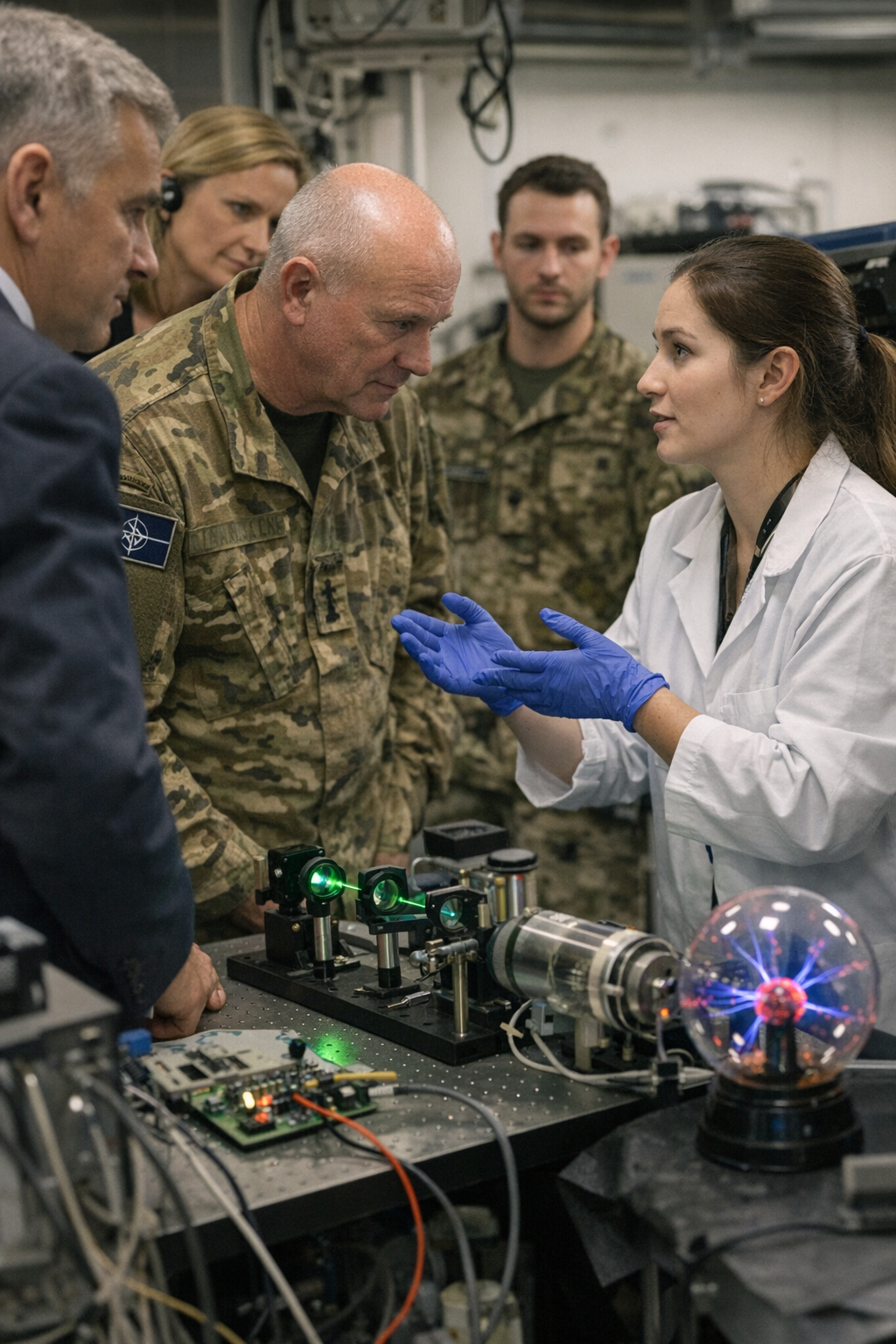
NATO has launched a new publication aimed at broadening awareness of its scientific and technological initiatives, according to an article titled “NATO’s science programme launches SPS SPARKS magazine” published on nato.int. The magazine, introduced under the Alliance’s Science for Peace and Security (SPS) Programme, is intended to showcase collaborative research, innovation projects, and their practical impact on global security challenges.
The SPS Programme, one of NATO’s key partnership tools, supports civilian-led research and innovation efforts involving scientists and experts from Allied and partner nations. By introducing SPS SPARKS, NATO is seeking to make these often technical and specialist projects more accessible to policymakers, stakeholders, and the wider public, while highlighting the programme’s role in addressing emerging security risks.
According to the original report, the magazine will feature a range of stories illustrating how scientific cooperation contributes to NATO’s broader objectives. These include efforts in areas such as counterterrorism, cyber defence, environmental security, and advanced technologies. By presenting real-world applications of research, NATO aims to underline the tangible benefits of multinational collaboration in science and innovation.
Officials associated with the initiative emphasize that the publication is not merely informational but also strategic. At a time when technological competition and security challenges are increasingly intertwined, communicating the value of scientific partnerships is seen as essential to maintaining public understanding and support. SPS SPARKS is expected to serve as a bridge between the scientific community and decision-makers, as well as an outreach tool to partners beyond the Alliance.
The launch reflects NATO’s broader effort to adapt to a rapidly evolving security landscape, where advances in science and technology are central to both risks and solutions. By elevating the visibility of its SPS Programme through a dedicated magazine, the Alliance is positioning scientific collaboration as a core component of its approach to collective security.