Madman Diplomacy Falls Short Against Iran
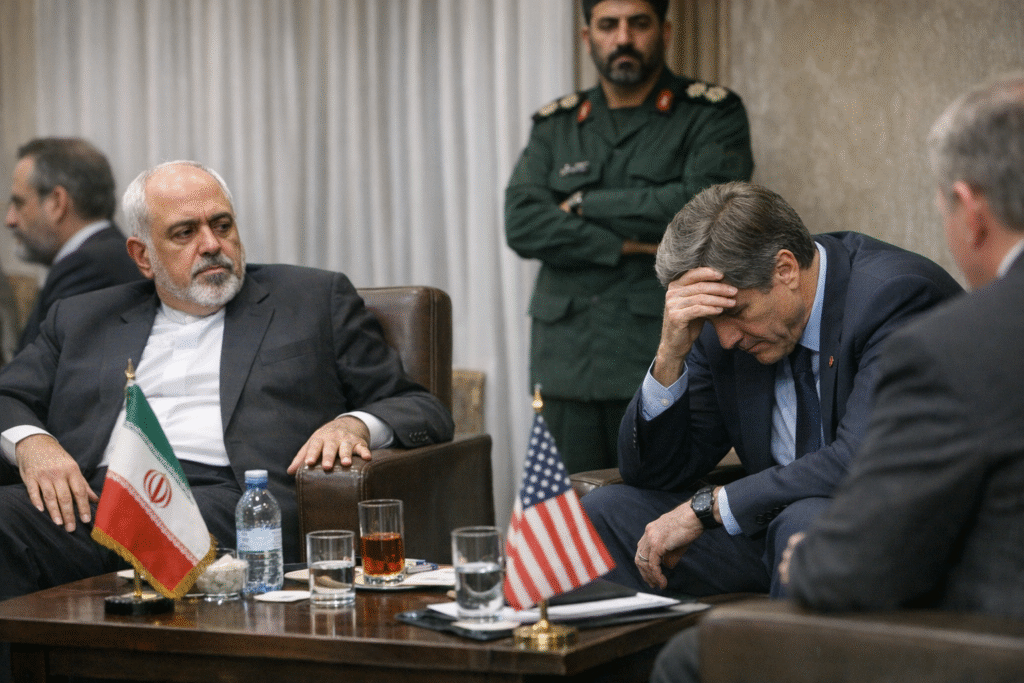
A recent opinion article published by Defense News titled “Trump’s madman diplomacy isn’t working on Iran” argues that former President Donald Trump’s approach to deterring Tehran relied heavily on unpredictability but has failed to deliver lasting strategic results. The piece reflects a broader debate within U.S. foreign policy circles about whether coercive tactics rooted in ambiguity and escalation can effectively shape the behavior of adversarial states.
The concept of “madman diplomacy,” historically associated with deliberate displays of volatility intended to intimidate adversaries, has periodically resurfaced in U.S. strategy. In the case of Iran, the Defense News analysis contends that such an approach has yielded diminishing returns. Rather than compelling Tehran to make lasting concessions on its nuclear program or regional activities, the strategy may have hardened Iranian resolve and contributed to a cycle of escalation.
During Trump’s presidency, the United States withdrew from the Joint Comprehensive Plan of Action (JCPOA) in 2018 and implemented a campaign of “maximum pressure” through sweeping economic sanctions. The administration also authorized the 2020 killing of Iranian General Qassem Soleimani, a move framed as both a deterrent signal and a demonstration of U.S. willingness to act decisively. Supporters viewed these steps as necessary to counter Iran’s regional influence, while critics warned they lacked a coherent long-term diplomatic framework.
According to the Defense News opinion piece, Iran responded not by capitulating but by incrementally expanding its nuclear activities and deepening ties with regional partners. The article suggests that unpredictability alone, absent credible diplomatic off-ramps, may undermine deterrence by increasing uncertainty on both sides without offering a pathway to de-escalation.
The article also raises concerns about the sustainability of a strategy that relies heavily on economic pressure. While sanctions have severely affected Iran’s economy, they have not conclusively altered the country’s strategic calculus. Instead, the Iranian leadership has demonstrated an ability to absorb domestic costs while continuing key elements of its nuclear program.
Analysts cited in broader discussions of U.S.-Iran policy often emphasize that effective deterrence typically combines pressure with clear communication and achievable objectives. The Defense News commentary aligns with this view, arguing that without defined end goals, coercive measures risk becoming reactive rather than strategic.
At the same time, defenders of the Trump-era approach maintain that it reasserted U.S. leverage and disrupted what they saw as insufficient constraints under the JCPOA. They argue that Iran’s subsequent actions underscore the regime’s long-term ambitions rather than shortcomings in U.S. policy.
As Washington continues to grapple with how best to contain Iran’s nuclear capabilities and regional activities, the debate highlighted in “Trump’s madman diplomacy isn’t working on Iran” reflects enduring tensions between hardline and diplomatic approaches. With no consensus emerging, policymakers face the challenge of balancing deterrence, diplomacy, and regional stability in a landscape where past strategies have produced mixed results.