US and Israel Strike Iran’s Hidden Weapons Program
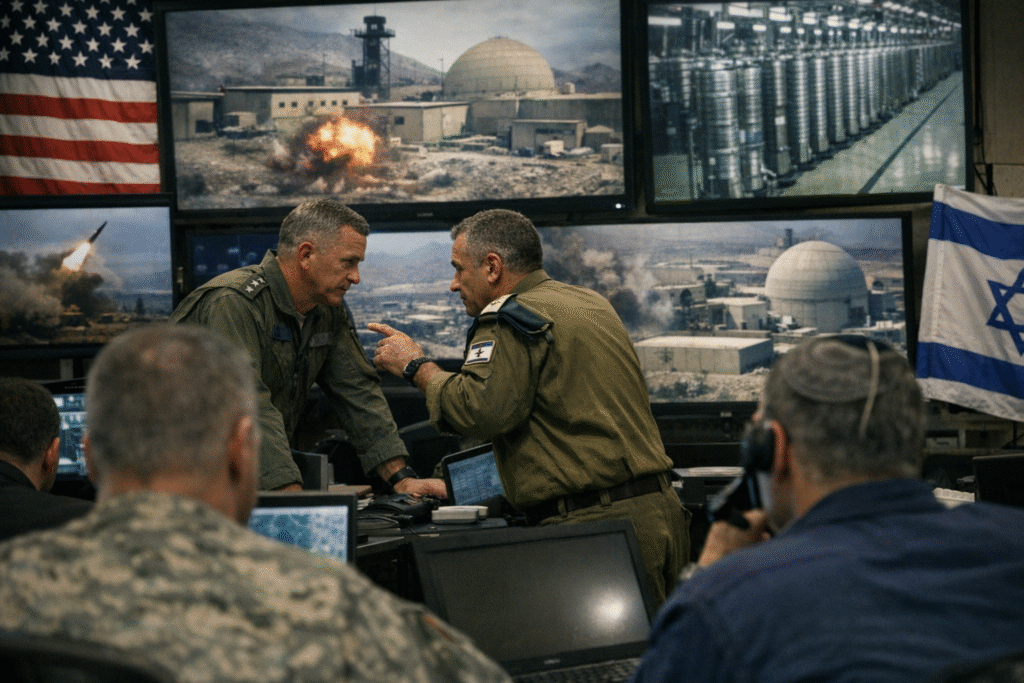
A recent report by Defense News, titled “Iran’s other would-be WMD program lies in ruins following strikes by Israel and the US,” describes the extensive damage inflicted on what Western officials have characterized as a lesser-known but strategically significant Iranian weapons program. According to the publication, coordinated strikes by Israeli and U.S. forces targeted facilities believed to be involved in developing capabilities beyond Iran’s publicly scrutinized nuclear activities, underscoring a broader effort to degrade Tehran’s military ambitions.
The report indicates that the destroyed infrastructure was linked to research and production efforts that analysts have long suspected could contribute to unconventional weapons development. While Iran has consistently denied pursuing weapons of mass destruction, Western intelligence assessments have pointed to dual-use technologies and dispersed research networks that could, in theory, be repurposed for such ends. The strikes appear to have focused on these ambiguous but potentially critical nodes, aiming to set back any latent capability without triggering a wider regional conflict.
Defense News cites officials who suggest the damage is substantial enough to disrupt progress for years, particularly given the technical complexity and supply chain requirements associated with such programs. Satellite imagery and post-strike assessments reportedly show heavily damaged facilities, including laboratories and production sites, some of which were located in hardened or previously undisclosed areas. The choice of targets reflects an intelligence-driven approach that prioritizes precision and deniability while avoiding civilian infrastructure.
The operation also highlights an evolving strategy by Israel and the United States to address perceived threats from Iran beyond its nuclear program. While diplomatic efforts have historically centered on uranium enrichment and nuclear safeguards, this action signals a willingness to confront other forms of advanced weapons research that could alter the regional balance of power. Analysts note that this broader framing may complicate future negotiations, as it expands the scope of what constitutes unacceptable Iranian military development.
Iranian officials have condemned the strikes, characterizing them as violations of sovereignty and warning of potential responses. However, public disclosures from Tehran have been limited, and independent verification of the program’s exact nature remains challenging. The ambiguity surrounding the targeted facilities reflects the broader difficulty in distinguishing between civilian, defensive, and offensive military research in highly secretive environments.
The Defense News report suggests that the strikes may have both immediate and long-term strategic implications. In the short term, they demonstrate a continued readiness by Israel and the United States to use force to counter perceived threats. Over the longer term, they could influence Iran’s strategic calculus, potentially pushing it to further disperse or conceal sensitive activities, or conversely, to reassess the risks associated with pursuing such capabilities.
As tensions in the region remain high, the episode underscores the fragile balance between deterrence and escalation. By targeting what Defense News describes as an “other would-be WMD program,” the strikes broaden the scope of confrontation and reinforce the message that scrutiny of Iran’s military ambitions extends well beyond its nuclear file.