Marine Reserve chief urges families ready for war
A recent message from a senior Marine Corps Reserve leader has drawn attention for its stark tone, urging service members and their families to prepare for potential large-scale conflict. The guidance, described as unusually direct, reflects a broader shift in military messaging as global tensions continue to evolve.
In an article titled “Prepare your family: Marine Reserve commander gives warlike safety brief,” published by Military Times, Lt. Gen. John Healy, head of Marine Forces Reserve, delivered what was characterized as a “warlike” safety brief to Marines under his command. The remarks emphasized personal readiness not only for service members but also for their families, highlighting concerns about the possibility of future conflict involving the United States.
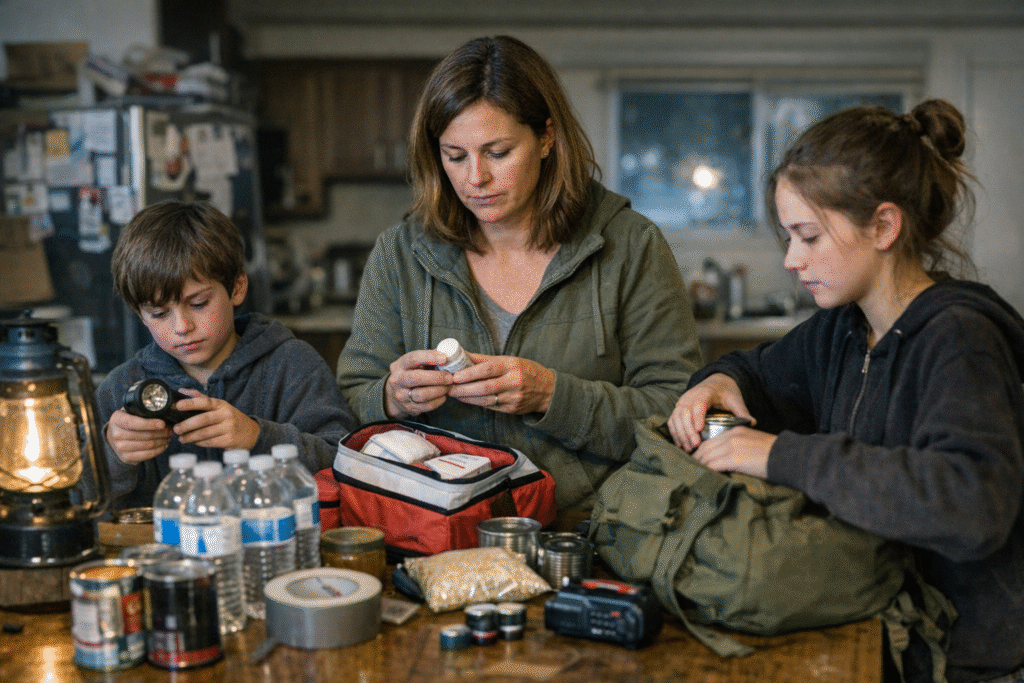
Healy’s comments reportedly encouraged Marines to ensure that their households are prepared for prolonged absences and potential disruptions. This includes practical steps such as financial planning, maintaining emergency supplies, and ensuring that family members understand contingency plans. The tone of the message, according to the report, marked a departure from more routine safety briefings typically focused on individual conduct and risk prevention.
The emphasis on family readiness underscores a longstanding military principle that operational effectiveness is closely tied to stability at home. However, the framing of the guidance in explicitly war-focused terms signals a heightened sense of urgency. Military leaders have increasingly acknowledged a more complex and uncertain global security environment, with rising tensions involving near-peer competitors among the factors shaping strategic planning.
While officials have not indicated any specific imminent conflict, the language used by Healy reflects a broader institutional push to ensure preparedness across all levels of the force. For reserve components in particular, whose members often balance civilian careers with military obligations, such preparation can be more complicated and requires coordination beyond traditional military support systems.
The Military Times report suggests that the message resonated with some service members while raising questions among others about how seriously to interpret the warning. Nonetheless, it aligns with a wider trend of senior defense officials urging vigilance and readiness amid shifting geopolitical dynamics.
Ultimately, the guidance serves as a reminder that military preparedness extends beyond training and equipment. As Healy’s remarks indicate, the readiness of families remains a critical, if less visible, component of the nation’s defense posture in times of uncertainty.