Senate Funds DHS to Ease Airport Disruptions
The U.S. Senate has approved a funding package for much of the Department of Homeland Security, a move lawmakers say is intended to stabilize agency operations and address mounting disruptions at the nation’s airports. The development, reported by The Wall Street Journal in its article “Senate Approves Funding for Most of DHS, Moving to End Airport Crisis,” reflects growing bipartisan concern over the effects of budget uncertainty on travel infrastructure and security operations.
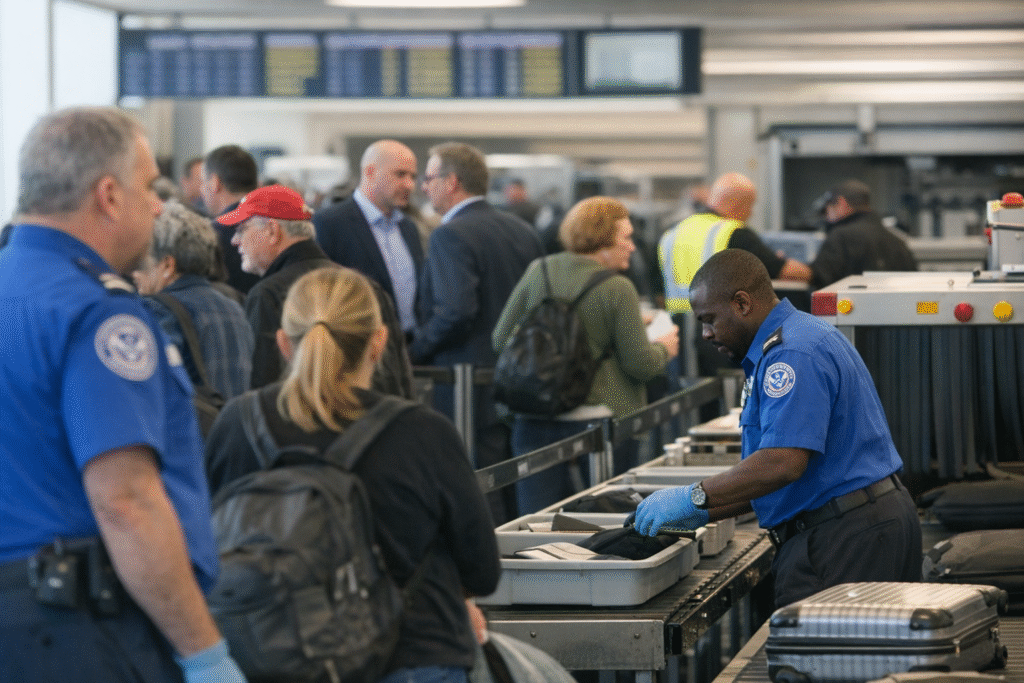
The legislation provides renewed financial certainty for key DHS components, including the Transportation Security Administration, which has faced staffing strains and operational pressures in recent months. Airport delays and long security lines had increasingly drawn criticism from travelers and industry groups, prompting urgency in Congress to avert further deterioration, particularly ahead of peak travel periods.
Senators from both parties framed the measure as a pragmatic step to prevent wider disruptions, though disagreements over broader spending priorities continue to complicate the appropriations process. While the package covers most DHS functions, some areas remain subject to ongoing negotiations, underscoring the piecemeal nature of the current budget environment.
Officials and analysts say that consistent funding is critical for maintaining workforce levels, upgrading screening technology, and ensuring preparedness against emerging threats. The recent strains on airport operations highlighted vulnerabilities tied to funding lapses, with TSA staffing shortages leading to longer wait times and concerns about system resilience.
Despite the Senate’s action, the broader fiscal outlook remains uncertain. House lawmakers have yet to fully align on corresponding measures, raising the prospect of further brinkmanship before a comprehensive budget agreement is reached. In the interim, the Senate’s move is expected to provide temporary relief to DHS operations and help ease pressure on the nation’s air travel system.
The situation illustrates the wider consequences of fiscal impasses in Washington, where delays in appropriations can quickly translate into visible disruptions for the public. As policymakers continue negotiations, the stability of essential services such as airport security remains closely tied to the outcome.