Westminster and the Politics of Strategic Inaction
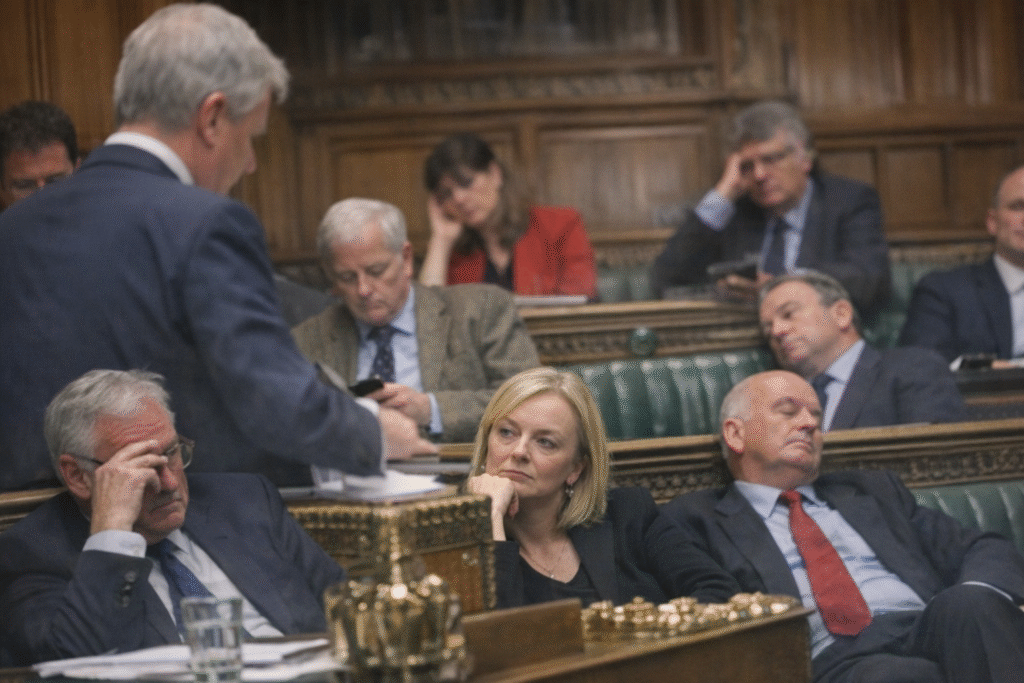
A recent essay published on Substack has ignited discussion about political inertia in the United Kingdom, offering a pointed critique of how power is exercised within Westminster. Titled “The Westminster Guide to Doing Absolutely Nothing,” the piece by Andrew Fox presents a sharply argued account of what the author characterizes as a systemic preference for delay, risk aversion and symbolic action over substantive policy change.
Fox’s article portrays Westminster not as a hub of decisive governance but as a complex ecosystem sustained by caution, proceduralism and the management of appearances. Drawing on both historical patterns and contemporary examples, he suggests that political actors are often incentivized to avoid meaningful decisions, particularly when those decisions carry electoral or reputational risks. In this telling, inaction is not merely accidental but, at times, a deliberate strategy.
Central to the essay is the argument that political careers can be advanced as effectively through careful avoidance as through bold leadership. Fox outlines how ministers and officials, constrained by short electoral cycles and intense media scrutiny, may prioritize short-term stability over long-term solutions. Initiatives are announced, consultations launched and reviews commissioned, but tangible outcomes are frequently postponed or diluted.
The Substack piece also reflects on structural features of the British political system that may contribute to this dynamic. These include the adversarial nature of parliamentary politics, the centralization of decision-making power, and the reliance on an entrenched civil service apparatus. Together, Fox argues, these elements can create an environment where accountability is diffuse and decisive action becomes difficult to sustain.
Fox stops short of suggesting that inertia is universal or inevitable, but he contends that the prevailing culture rewards caution more reliably than ambition. This, he warns, risks eroding public trust, particularly at a time when voters expect governments to respond effectively to complex challenges such as economic stagnation, public service pressures and geopolitical uncertainty.
While some may view the essay as overly cynical, others see it as a candid diagnosis of frustrations widely felt both inside and outside government. By framing inaction as a rational, even strategic choice within the current political framework, “The Westminster Guide to Doing Absolutely Nothing,” published on Substack, invites a broader conversation about whether the incentives underpinning British governance are aligned with the need for timely and effective decision-making.
The article ultimately raises questions that extend beyond Westminster itself: whether democratic systems can adapt to deliver decisive leadership without sacrificing accountability, and what reforms might be necessary to shift political culture toward action rather than deferral.