US Expands Strikes on Iran Military Targets, Raising Fears of Wider Regional Conflict
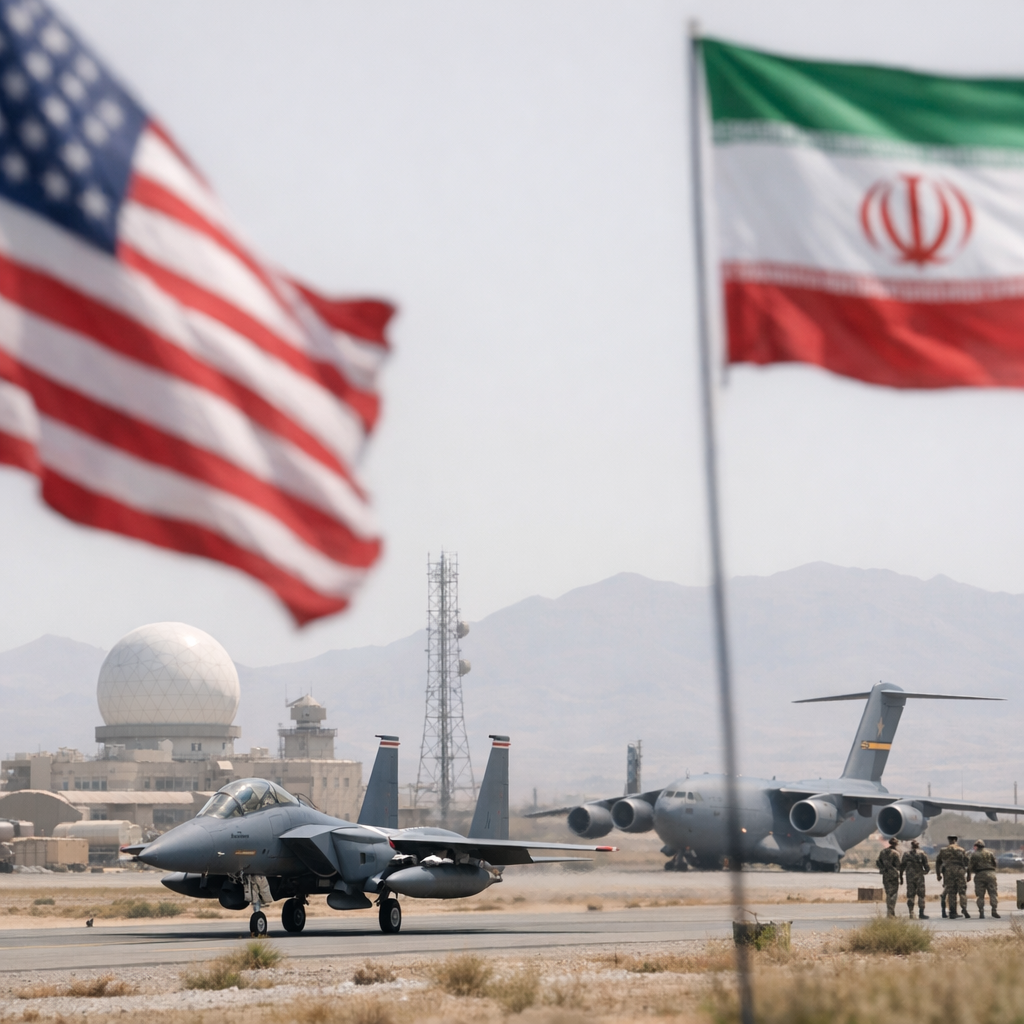
The United States has carried out additional strikes on military-linked targets across Iran, according to developments reported by i24NEWS in its live blog titled “US says it has completed additional strikes on military targets across Iran.” The reported escalation marks a significant intensification in the already volatile standoff between Washington and Tehran, raising fresh concerns about regional stability and the risk of broader conflict.
According to the i24NEWS coverage, U.S. officials indicated that the strikes were aimed at specific sites tied to Iran’s military infrastructure. While details about the exact locations and scale of the operations remain limited, the actions were framed by U.S. authorities as measured and strategic, intended to degrade capabilities deemed threatening without signaling a wider campaign. Similar targeted strike strategies have been analyzed by sources such as Reuters Middle East coverage.
The strikes come amid heightened tensions that have built over months of confrontations involving proxy groups, maritime incidents, and exchanges of rhetoric between the two governments. Analysts note that Washington’s decision to proceed with additional military action suggests a shift toward more assertive deterrence, particularly in response to perceived Iranian activities across the Middle East, a dynamic frequently examined by the Council on Foreign Relations.
Iran has not remained silent in the face of these developments. Officials in Tehran have previously warned that any direct military action by the United States would be met with consequences, raising the specter of retaliation that could extend beyond bilateral engagement and draw in regional actors. The possibility of indirect responses through allied militias remains a central concern for security observers, as outlined in reporting from BBC News Middle East.
International reaction has been cautious, with several governments urging restraint and calling for diplomatic channels to remain open. The risk of miscalculation is widely viewed as high, particularly given the absence of sustained direct dialogue between Washington and Tehran. European leaders, in particular, have emphasized the need to prevent further escalation that could destabilize energy markets and exacerbate existing geopolitical tensions, concerns echoed by the International Energy Agency.
Military experts point out that while targeted strikes can serve immediate tactical objectives, they often carry unpredictable strategic outcomes. The potential for escalation through reciprocal action or misinterpretation remains a persistent challenge in such confrontations, especially in a region already marked by overlapping conflicts and alliances. Broader military implications have been explored by institutions like the RAND Corporation.
The i24NEWS live reporting underscores the fluid nature of the situation, with developments unfolding rapidly and official statements offering only partial insight into intentions and consequences. As both sides calibrate their next moves, the international community faces renewed urgency in seeking mechanisms to reduce tensions and avert a broader crisis.