Ulchi Freedom Shield 2026 Cut to Five Days as Washington Reshapes Alliance Exercises
The U.S. plans to cap Ulchi Freedom Shield 2026 at five days, sharply reducing one of its most significant joint exercises with South Korea.
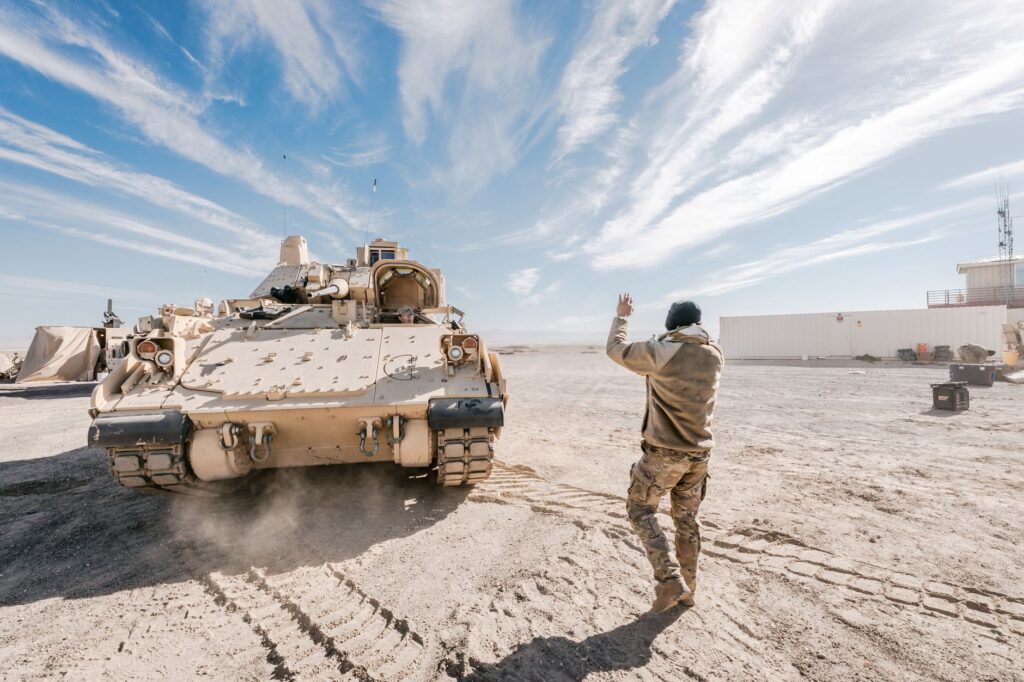
The United States is planning to limit this year’s Ulchi Freedom Shield exercise with South Korea to just five days, according to a Task and Purpose report — a significant compression of one of the two countries’ most consequential annual joint drills. The decision reflects the Trump administration’s continuing effort to restructure the U.S. military posture on the Korean Peninsula, raising fresh questions about readiness and deterrence at a moment of persistent North Korean provocation. GDD has previously covered how the Freedom Shield exercises have continued even as Washington moved to reduce its visible role in them.
Ulchi Freedom Shield, which combines computer-simulated command-post training with civil-government crisis response, has historically run for roughly two weeks. Cutting the exercise to five days would represent a reduction of more than half its usual duration. Officials have not publicly confirmed the precise scope of activities that would be retained or dropped within the shortened window.

Diplomatic Calculus Behind the Reduction
The Trump administration has consistently framed the scaling back of joint exercises as part of a broader diplomatic strategy toward North Korea, arguing that large-scale drills inflame tensions and complicate prospects for negotiation. Critics, including former U.S. and South Korean defense officials, counter that reducing exercise duration directly degrades the interoperability and command-and-control proficiency that the alliance depends on to deter Pyongyang. Task and Purpose noted that the move follows a pattern of curtailments that has accumulated across multiple exercise cycles.
The Pentagon has separately directed a broader review of joint drill posture with Seoul, a dynamic GDD reported on in its coverage of the Pentagon’s alliance shift earlier this year. That context matters: the five-day cap on Ulchi Freedom Shield does not appear to be an isolated scheduling decision but rather one element of a sustained policy direction emanating from the administration’s approach to both burden-sharing and diplomacy with Pyongyang.
Readiness and Alliance Implications
Joint exercises of Ulchi Freedom Shield’s type are designed to rehearse the full arc of a crisis response — from early warning through escalation management and sustained operations. Military planners have long argued that compression of these timelines limits the ability of staffs on both sides to work through the friction points that only emerge deep into a multi-day scenario. A five-day window would leave significant portions of that arc untested, according to the logic defense officials have applied to similar curtailments in the past, though the specific training objectives for the 2026 iteration have not been publicly released.

South Korean officials have not publicly objected to the reported change, though the government in Seoul has historically been careful to avoid open disputes with Washington over alliance management. The compression also arrives at a moment when North Korea has continued missile testing and rhetoric has remained elevated across the peninsula. How the shortened exercise affects combined force certification and operational planning timelines is a question that defense analysts are likely to press in the weeks ahead, as the August exercise window approaches and more details become available.